
Hepatitis C: A Curable Disease Today
Direct-acting antivirals cure over 95% of patients.
Dr. Yann Beaumont
Gastroenterologist
In simple terms
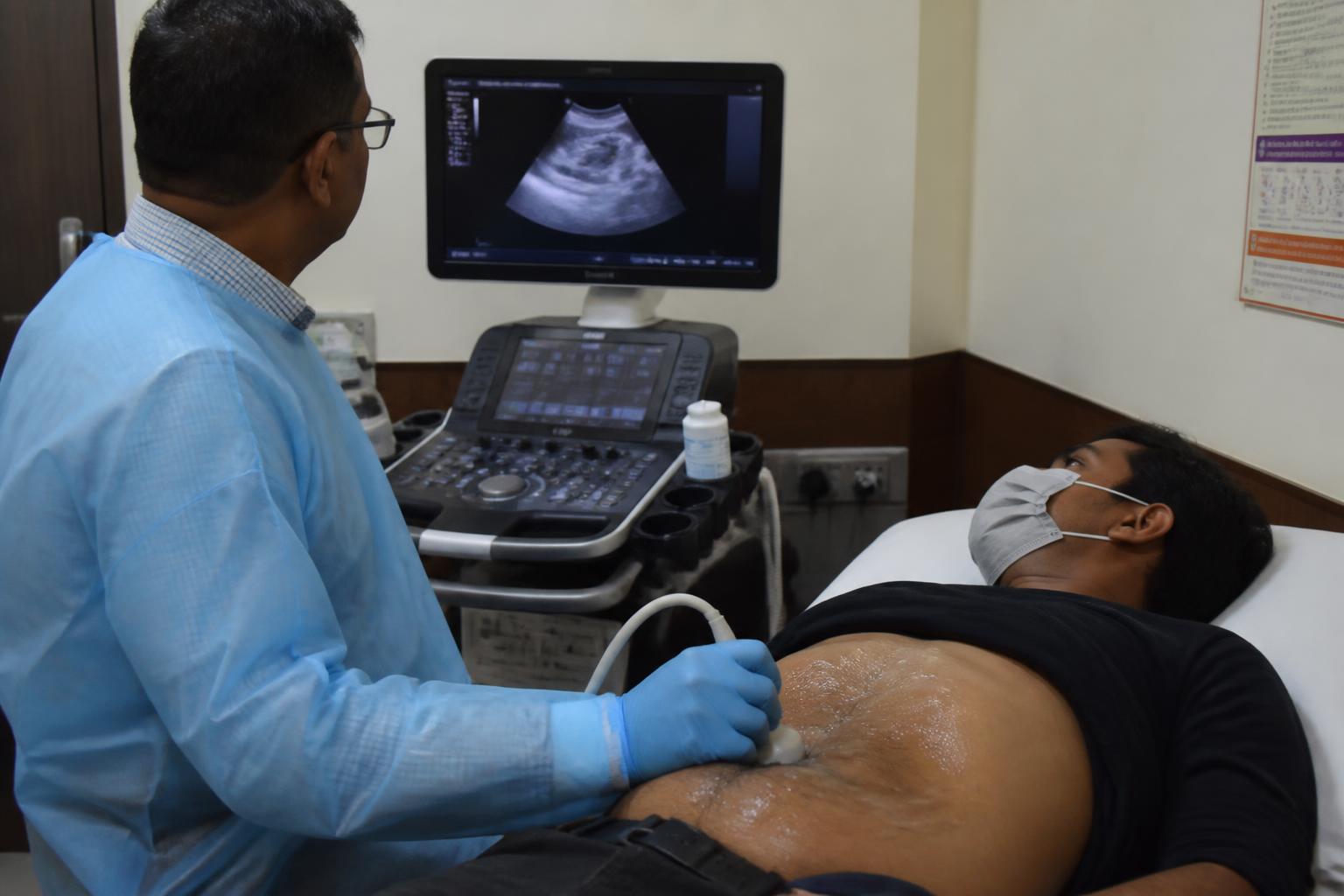
Hepatitis C used to mean lifelong chronic liver disease. Modern 8-12 week regimens cure nearly all infections.
What you need to remember
- Often silent — Most chronic infections cause no symptoms for decades, but slowly progress to fibrosis and cirrhosis.
- Treatment — Pangenotypic regimens (sofosbuvir/velpatasvir, glecaprevir/pibrentasvir) cure 95-99% of patients with 8-12 weeks of oral therapy and few side effects.
- Eradication — Test once at least in any adult; one cure removes a major future cancer and liver-failure risk.
Blood-borne: injection drug use, unsterile medical equipment historically, vertical transmission rare. Sexual transmission is uncommon outside specific contexts.
Often silent
Most chronic infections cause no symptoms for decades, but slowly progress to fibrosis and cirrhosis.
Treatment
Pangenotypic regimens (sofosbuvir/velpatasvir, glecaprevir/pibrentasvir) cure 95-99% of patients with 8-12 weeks of oral therapy and few side effects.
Eradication
Test once at least in any adult; one cure removes a major future cancer and liver-failure risk.
Cure does not erase fibrosis fully: monitoring continues if cirrhosis was present before treatment.
The words explained
Medical terms used above, in everyday language.
- Chronic
- A problem that lasts a long time, usually more than three months, and often comes back.
- Symptom
- A sign you can feel or see that something is wrong, like pain, tiredness or a rash.
When should you see a doctor?
- Your symptoms last more than a few weeks or keep coming back.
- They get worse quickly, or stop you doing everyday things.
- You notice sudden pain, breathing trouble, fainting or bleeding — seek urgent care.
- You already take medication and want to change anything about it.
This article explains general health information. It does not replace advice from your own doctor.
Frequently asked questions
- What is Hepatitis C: A Curable Disease Today?
- Hepatitis C used to mean lifelong chronic liver disease. Modern 8-12 week regimens cure nearly all infections.
- What are the main symptoms or signs of Hepatitis C: A Curable Disease Today?
- Common signs vary from person to person. The article above lists the symptoms to watch for, how they progress, and when they need medical attention.
- When should you see a doctor for Hepatitis C: A Curable Disease Today?
- See a doctor if symptoms last more than a few weeks, get worse quickly, stop you doing everyday things, or if you notice sudden pain, breathing trouble, fainting or bleeding.
Related health topics

Infectious Diseases
Hepatitis B: A Manageable Chronic Infection
Around 250 million people live with chronic hepatitis B. Modern antivirals suppress the virus indefinitely.

Infectious Diseases
Infectious Mononucleosis: The 'Kissing Disease'
Epstein-Barr virus causes a self-limited illness most common in adolescents and young adults.
Infectious Diseases
Hepatitis B: A Manageable Chronic Infection
Around 250 million people live with chronic hepatitis B. Modern antivirals suppress the virus indefinitely.
Infectious Diseases
Recurrent Urinary Tract Infections in Women
Half of women experience at least one UTI; 25% develop recurrences. Several non-antibiotic measures reduce recurrence.
Infectious Diseases
Seasonal Influenza: More Than a Bad Cold
Influenza causes 3-5 million severe cases globally each year and remains underestimated by the public.
Infectious Diseases
Long COVID: A Recognised Multisystem Syndrome
Long COVID affects an estimated 10-20% of infected adults. Symptoms vary widely and management is supportive.