Hair Loss: When Should You Worry?
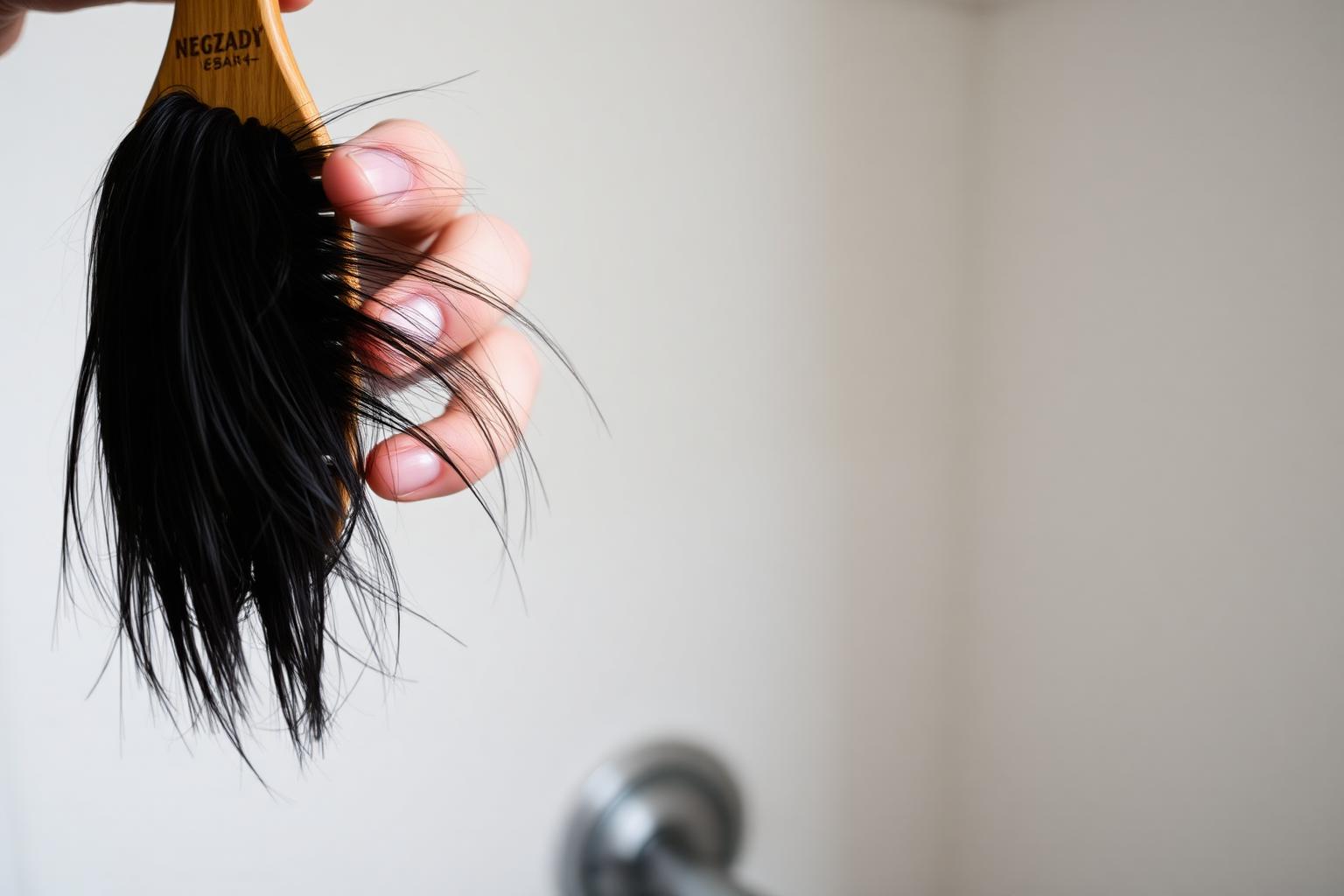
Losing hair is normal; losing too much is not.
Dr. Sophie Renard
Dermatologist
In simple terms
Androgenetic alopecia, telogen effluvium, iron deficiency: identify the cause to choose the right treatment.
What you need to remember
- Main Causes — Androgenetic alopecia**: the most common, hereditary, affects men and women.
- Treatments According to Cause — Topical Minoxidil**: stimulates regrowth in androgenetic alopecia
Losing 50 to 100 hairs per day is physiological. Beyond that, or when density visibly decreases, it's time to consult.
Main Causes
- Androgenetic alopecia: the most common, hereditary, affects men and women. Progressive miniaturization of follicles under the influence of androgens.
- Telogen effluvium: diffuse and sudden hair loss 2-3 months after stress, illness, childbirth, or a strict diet.
- Nutritional deficiencies: iron, zinc, vitamin D, biotin. A blood test can identify them.
- Thyroid dysfunction: both hypothyroidism and hyperthyroidism can cause hair loss.
- Alopecia areata: an autoimmune disease causing localized bald patches.
Treatments According to Cause
- Topical Minoxidil: stimulates regrowth in androgenetic alopecia
- Finasteride: blocks testosterone conversion in men
- Supplementation: correction of deficiencies identified by biological assessment
- PRP (platelet-rich plasma): emerging technique with encouraging results
"Miracle" food supplements generally lack solid evidence. Starting with an accurate diagnosis with a dermatologist is essential.
The words explained
Medical terms used above, in everyday language.
- Diagnosis
- The moment a doctor identifies which illness is causing your symptoms.
- Topical
- A treatment you apply on the skin, like a cream, gel or ointment.
- Genetic
- Passed down in your family through your genes.
When should you see a doctor?
- Your symptoms last more than a few weeks or keep coming back.
- They get worse quickly, or stop you doing everyday things.
- You notice sudden pain, breathing trouble, fainting or bleeding — seek urgent care.
- You already take medication and want to change anything about it.
This article explains general health information. It does not replace advice from your own doctor.
Frequently asked questions
- What is Hair Loss: When Should You Worry??
- Androgenetic alopecia, telogen effluvium, iron deficiency: identify the cause to choose the right treatment.
- What are the main symptoms or signs of Hair Loss: When Should You Worry??
- Common signs vary from person to person. The article above lists the symptoms to watch for, how they progress, and when they need medical attention.
- When should you see a doctor for Hair Loss: When Should You Worry??
- See a doctor if symptoms last more than a few weeks, get worse quickly, stop you doing everyday things, or if you notice sudden pain, breathing trouble, fainting or bleeding.
Related health topics

Dermatology
Warts: How to Get Rid of Them Effectively
Caused by the human papillomavirus, warts affect one in three children. Overview of available treatments.

Cardiology
Heart Failure: Signs Not to Ignore
Shortness of breath on exertion, swollen ankles, disproportionate fatigue: heart failure affects over a million French people.

Mental Health
Generalized anxiety disorder: living with constant worry
GAD affects 5 to 8% of the population. It is characterized by excessive and uncontrollable worry about multiple daily topics.
Cardiology
Heart Failure: Modern Therapy Has Transformed Prognosis
Heart failure affects more than 60 million people worldwide. Today's medications work better than they did a decade ago.