
Behcet disease: recurrent mouth and genital ulcers
A vasculitis that can affect eyes, joints and vessels
Dr. Camille Roux
Internal medicine physician

In simple terms
The cluster of symptoms that makes the diagnosis, and treatments that prevent serious complications.
What it is, in plain words
Behcet disease is an inflammatory condition of blood vessels of all sizes. There is no single diagnostic test, so the diagnosis rests on a recognisable combination of symptoms occurring over time, above all recurrent painful mouth ulcers.
Signs to look out for
- Painful mouth ulcers at least three times a year, healing in one to three weeks
- Genital ulcers that often leave scars
- Eye inflammation with pain, redness, floaters and blurred vision, which threatens sight
- Skin lesions: acne-like spots and tender red nodules on the legs
- Joint pain, and less commonly blood clots, neurological or intestinal involvement
Why it happens
It is most frequent along the historical Silk Road, from the Mediterranean to East Asia, and usually starts between 20 and 40. Genetic background, particularly HLA-B51, contributes.
How doctors confirm it
Diagnosis uses international criteria based on symptoms. Blood tests exclude other causes, and a pathergy test, where a needle prick produces a small pustule, supports it. Every patient needs an ophthalmology assessment.
Treatments and solutions
- Topical corticosteroids and protective gels for mouth and genital ulcers
- Colchicine for recurrent ulcers, skin lesions and joint pain
- Azathioprine, ciclosporin or interferon for eye involvement, with urgent treatment to protect vision
- Anti-TNF biologics such as infliximab or adalimumab for severe eye, neurological, vascular or intestinal disease
- Anticoagulation decisions made with a specialist when clots occur, since the mechanism is inflammatory
Living with it day to day
Keep a symptom diary: because the diagnosis depends on the pattern over time, your own records can shorten years of uncertainty. Regular eye checks are non-negotiable.
When to seek medical help
Seek urgent care for eye pain or sudden visual change, severe headache with neurological symptoms, or a swollen painful limb.
This article explains general health information in simple language. It does not replace advice from your own doctor.
The words explained
Medical terms used above, in everyday language.
- Inflammation
- The body's reaction to injury or irritation: redness, swelling, heat or pain.
- Symptom
- A sign you can feel or see that something is wrong, like pain, tiredness or a rash.
- Diagnosis
- The moment a doctor identifies which illness is causing your symptoms.
- Topical
- A treatment you apply on the skin, like a cream, gel or ointment.
- Genetic
- Passed down in your family through your genes.
When should you see a doctor?
- Your symptoms last more than a few weeks or keep coming back.
- They get worse quickly, or stop you doing everyday things.
- You notice sudden pain, breathing trouble, fainting or bleeding — seek urgent care.
- You already take medication and want to change anything about it.
This article explains general health information. It does not replace advice from your own doctor.
Frequently asked questions
- What is Behcet disease: recurrent mouth and genital ulcers?
- The cluster of symptoms that makes the diagnosis, and treatments that prevent serious complications.
- What are the main symptoms or signs of Behcet disease: recurrent mouth and genital ulcers?
- Common signs vary from person to person. The article above lists the symptoms to watch for, how they progress, and when they need medical attention.
- When should you see a doctor for Behcet disease: recurrent mouth and genital ulcers?
- See a doctor if symptoms last more than a few weeks, get worse quickly, stop you doing everyday things, or if you notice sudden pain, breathing trouble, fainting or bleeding.
Related health topics

Conditions
Systemic lupus erythematosus: understanding this autoimmune disease
Fatigue, joint pain, butterfly rash: recognizing lupus and adapting its management.
Bones, Joints & Muscles
Rheumatoid arthritis: slowing articular inflammation
Methotrexate, biotherapies, JAK inhibitors: the therapeutic revolution of RA.
Dermatology
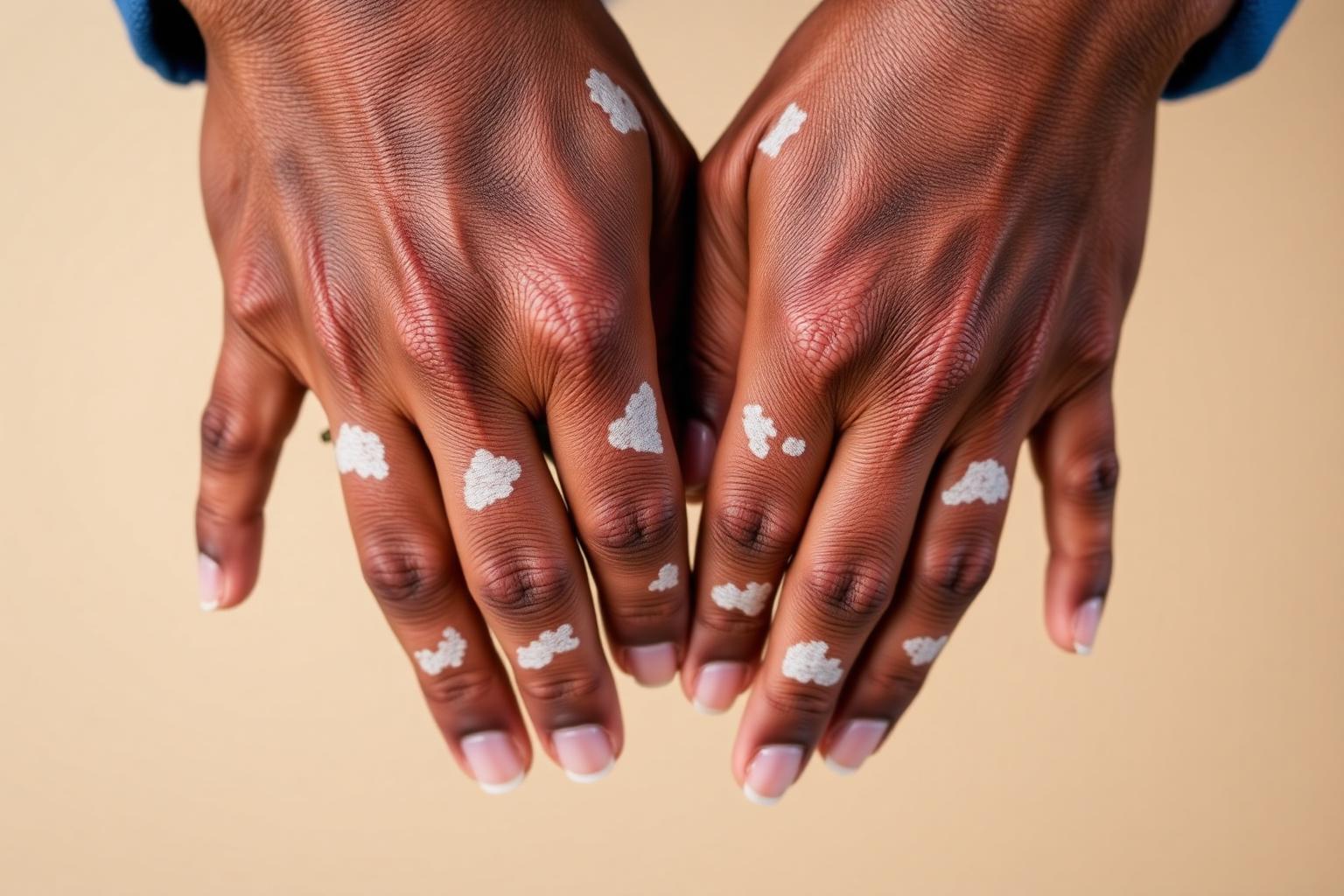
Vitiligo: understanding skin depigmentation
Phototherapy, topical JAK inhibitors: novelties against vitiligo.

Neurology
Myasthenia gravis: muscle fatigability
Pyridostigmine, immunosuppressants, complement inhibitors: modern treatment of myasthenia.

Conditions
Scleroderma: when the skin and organs harden
Localised versus systemic forms, the early signs, and the treatments that changed the outlook.

Conditions
Sjogren syndrome: dry eyes and dry mouth that are not trivial
Why dryness deserves investigation, the complications to prevent, and daily management.