
Sjogren syndrome: dry eyes and dry mouth that are not trivial
The immune system attacks the moisture glands
Dr. Camille Roux
Internal medicine physician
In simple terms
Why dryness deserves investigation, the complications to prevent, and daily management.
What it is, in plain words
In Sjogren syndrome, immune cells infiltrate the glands that make tears and saliva and gradually destroy them. Dryness follows, but the disease is systemic: joints, skin, nerves, lungs and kidneys can be involved, and fatigue is often the most disabling symptom.
Signs to look out for
- Gritty, burning eyes, worse in wind, air conditioning and on screens
- Dry mouth needing water to swallow dry food, and difficulty speaking for long
- Rapidly increasing dental decay and oral thrush
- Swelling of the glands in front of the ears
- Profound fatigue, joint pains, vaginal dryness and dry skin
Why it happens
It affects women about nine times more often than men, usually from midlife. It can occur alone or alongside rheumatoid arthritis, lupus or other autoimmune diseases.
How doctors confirm it
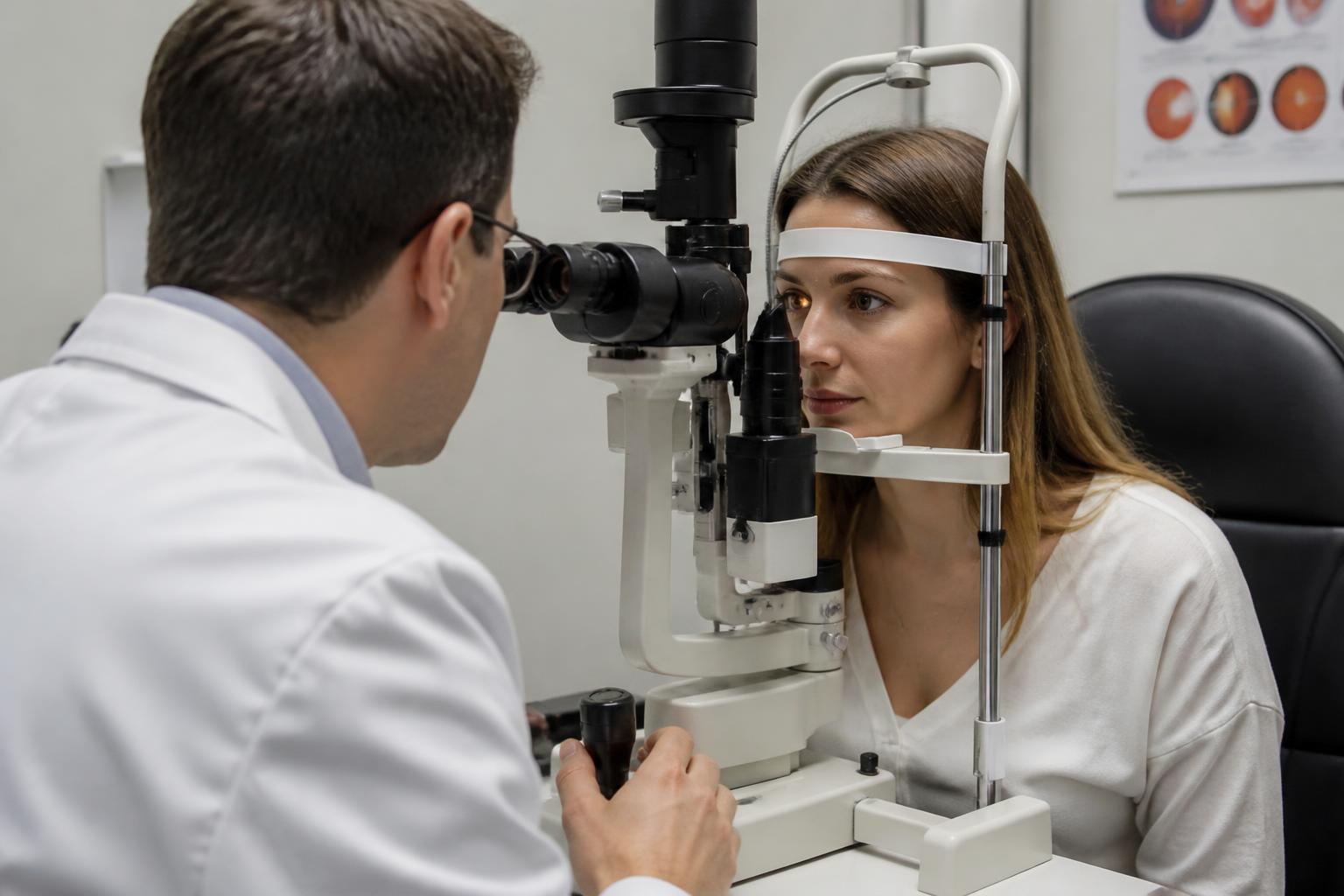
Tests include anti-SSA and anti-SSB antibodies, rheumatoid factor, Schirmer test measuring tear production, ocular staining, salivary flow measurement, ultrasound of the glands and sometimes a small lip gland biopsy.
Treatments and solutions
- Frequent preservative-free artificial tears, gels at night, and ciclosporin or lifitegrast drops for inflammation
- Saliva substitutes, sugar-free chewing gum, sipping water, and pilocarpine to stimulate residual flow
- Intensive dental prevention: fluoride toothpaste, regular check-ups, no sugary sipping
- Hydroxychloroquine for joint pain and fatigue, with stronger immunosuppression for organ involvement
- Humidified rooms, screen breaks with deliberate blinking, and avoidance of drying medicines such as antihistamines
Living with it day to day
Ask about a small but real increase in lymphoma risk: persistent gland swelling, night sweats or weight loss should be reported rather than watched.
When to seek medical help
See a doctor for persistent one-sided gland swelling, new numbness, breathlessness, or eye pain and reduced vision.
This article explains general health information in simple language. It does not replace advice from your own doctor.
The words explained
Medical terms used above, in everyday language.
- Inflammation
- The body's reaction to injury or irritation: redness, swelling, heat or pain.
- Symptom
- A sign you can feel or see that something is wrong, like pain, tiredness or a rash.
- Immune system
- Your body's defence team: cells that fight germs and repair damage.
- Prevention
- Steps taken before a problem starts, to make it less likely.
- Antibody
- A protein your body makes to recognise and neutralise a specific germ.
When should you see a doctor?
- Your symptoms last more than a few weeks or keep coming back.
- They get worse quickly, or stop you doing everyday things.
- You notice sudden pain, breathing trouble, fainting or bleeding — seek urgent care.
- You already take medication and want to change anything about it.
This article explains general health information. It does not replace advice from your own doctor.
Frequently asked questions
- What is Sjogren syndrome: dry eyes and dry mouth that are not trivial?
- Why dryness deserves investigation, the complications to prevent, and daily management.
- What are the main symptoms or signs of Sjogren syndrome: dry eyes and dry mouth that are not trivial?
- Common signs vary from person to person. The article above lists the symptoms to watch for, how they progress, and when they need medical attention.
- When should you see a doctor for Sjogren syndrome: dry eyes and dry mouth that are not trivial?
- See a doctor if symptoms last more than a few weeks, get worse quickly, stop you doing everyday things, or if you notice sudden pain, breathing trouble, fainting or bleeding.
Related health topics

Conditions
Systemic lupus erythematosus: understanding this autoimmune disease
Fatigue, joint pain, butterfly rash: recognizing lupus and adapting its management.
Bones, Joints & Muscles
Rheumatoid arthritis: slowing articular inflammation
Methotrexate, biotherapies, JAK inhibitors: the therapeutic revolution of RA.
Dermatology
Vitiligo: understanding skin depigmentation
Phototherapy, topical JAK inhibitors: novelties against vitiligo.

Neurology
Myasthenia gravis: muscle fatigability
Pyridostigmine, immunosuppressants, complement inhibitors: modern treatment of myasthenia.

Conditions
Scleroderma: when the skin and organs harden
Localised versus systemic forms, the early signs, and the treatments that changed the outlook.
Dermatology
Alopecia areata: sudden round patches of hair loss
Why patches appear overnight, what predicts regrowth, and the treatments that changed recently.