Meningitis: the signs that must never be ignored
Minutes matter with the bacterial form
Dr. Yanis Kaddour
Infectious disease specialist
In simple terms
How viral and bacterial meningitis differ, the tests that decide, and the prevention available.
What it is, in plain words
Meningitis is inflammation of the membranes surrounding the brain and spinal cord. Viral meningitis is far commoner and usually recovers fully. Bacterial meningitis, especially meningococcal and pneumococcal, can kill within hours and needs antibiotics without waiting for test results.
Signs to look out for
- Severe headache with fever and neck stiffness
- Discomfort looking at bright light and nausea or vomiting
- Drowsiness, confusion, and in severe cases seizures
- A rash of small red or purple spots that does not fade when pressed with a glass, in meningococcal disease
- In babies: high-pitched cry, poor feeding, floppiness, bulging soft spot, unusual irritability
Why it happens
Risk is highest in infants, adolescents and young adults in shared accommodation, older adults, people without a spleen, and those with immune deficiency or recent head injury.
How doctors confirm it
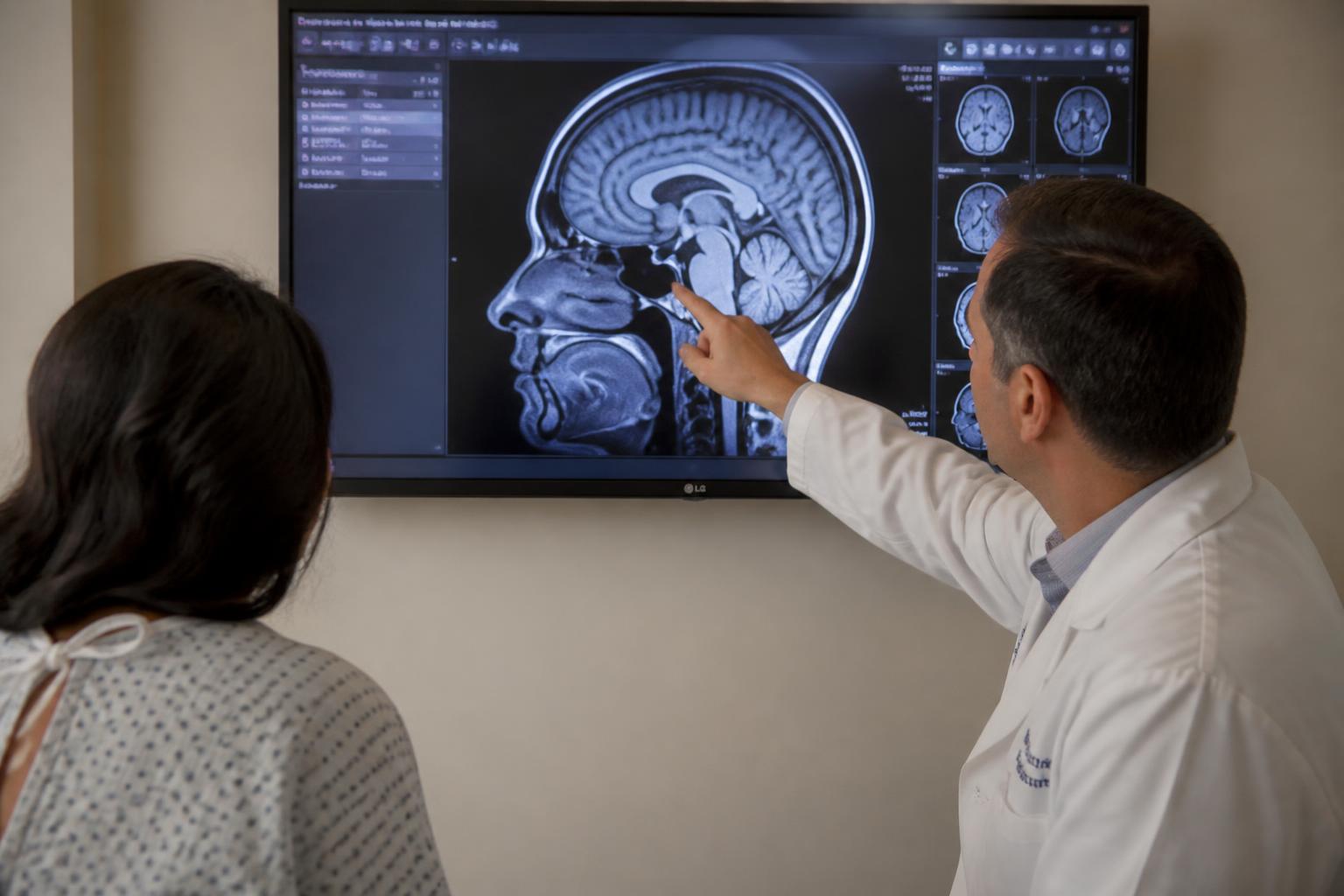
Lumbar puncture examines the spinal fluid and distinguishes bacterial from viral causes; blood cultures and PCR identify the organism. A CT scan is done first only if there are specific neurological signs, and it must not delay antibiotics.
Treatments and solutions
- Immediate intravenous antibiotics, given before or straight after the lumbar puncture when bacterial meningitis is suspected
- Dexamethasone alongside the first antibiotic dose in adults, which reduces hearing loss and other complications
- Intensive care support for shock, seizures and raised pressure inside the skull
- Supportive treatment only for viral meningitis, plus aciclovir if herpes encephalitis is possible
- Preventive antibiotics and vaccination for close contacts of meningococcal cases
Living with it day to day
Vaccines against meningococcal groups, pneumococcus and Haemophilus influenzae type b prevent most bacterial cases; check that adolescents and travellers are up to date.
When to seek medical help
Call emergency services for fever with severe headache and neck stiffness, confusion, seizures, a non-blanching rash, or an unusually drowsy baby.
This article explains general health information in simple language. It does not replace advice from your own doctor.
The words explained
Medical terms used above, in everyday language.
- Inflammation
- The body's reaction to injury or irritation: redness, swelling, heat or pain.
- Immune system
- Your body's defence team: cells that fight germs and repair damage.
- Antibiotic
- A medicine that kills bacteria. It does not work against viruses like colds or flu.
- Prevention
- Steps taken before a problem starts, to make it less likely.
- Vaccine
- A safe training session for your immune system, so it can fight a germ later.
When should you see a doctor?
- Your symptoms last more than a few weeks or keep coming back.
- They get worse quickly, or stop you doing everyday things.
- You notice sudden pain, breathing trouble, fainting or bleeding — seek urgent care.
- You already take medication and want to change anything about it.
This article explains general health information. It does not replace advice from your own doctor.
Frequently asked questions
- What is Meningitis: the signs that must never be ignored?
- How viral and bacterial meningitis differ, the tests that decide, and the prevention available.
- What are the main symptoms or signs of Meningitis: the signs that must never be ignored?
- Common signs vary from person to person. The article above lists the symptoms to watch for, how they progress, and when they need medical attention.
- When should you see a doctor for Meningitis: the signs that must never be ignored?
- See a doctor if symptoms last more than a few weeks, get worse quickly, stop you doing everyday things, or if you notice sudden pain, breathing trouble, fainting or bleeding.
Related health topics

Infectious Diseases
Seasonal Flu: Symptoms, Complications, and Prevention
Sudden fever, body aches, intense fatigue: seasonal flu is not a simple cold. Discover how to protect yourself effectively.
Infectious Diseases
Hepatitis B: A Silent Infection Affecting 296 Million People
Chronic hepatitis B often progresses without symptoms for years before revealing serious liver damage. Screening is crucial.
Neurology
Stroke: Every Minute Counts to Save the Brain
Falling face, weak arm, difficulty speaking: recognizing the signs of a stroke and calling 911 immediately can save lives and limit sequelae.

Pulmonology
Pulmonary embolism: when a clot reaches the lungs
Recognising the symptoms, understanding the tests, and knowing what treatment and follow-up involve.

Digestive Health
Acute pancreatitis: sudden severe abdominal pain
The two main causes, why the pain goes through to the back, and what hospital treatment involves.
Digestive Health
Appendicitis: the pain that moves to the right
How the pain typically migrates, why children and older adults are harder to diagnose, and what surgery involves.