
Athlete's foot and fungal nails: persistent but curable
Warmth, moisture and shared floors
Dr. Sophie Renard
Dermatologist
In simple terms
Why the fungus thrives between the toes, what treatment duration is really needed, and how to avoid relapse.
What it is, in plain words
Athlete's foot is a superficial fungal infection of the skin, most often between the fourth and fifth toes where the skin stays damp. The same fungi can invade the nail, where they are far harder to reach because no cream penetrates the nail plate properly.
Signs to look out for
- Itching, burning and cracked, white, soggy skin between the toes
- Dry scaling on the sole and sides of the foot, sometimes described as moccasin pattern
- Small itchy blisters on the arch
- Nails becoming thick, yellow-brown, crumbly and lifting from the bed
- Unpleasant odour, and cracks that can let bacteria in
Why it happens
It spreads on wet floors in changing rooms, pools and showers, and in shoes that do not dry out. Diabetes, poor circulation, immunosuppression and heavy sweating increase risk and complications.
How doctors confirm it
The diagnosis is usually clinical, but nail infection should be confirmed by microscopy and culture or PCR before starting months of tablets, because half of thickened nails are not fungal.
Treatments and solutions
- Topical antifungal cream such as terbinafine for two weeks, or an azole for four weeks, continued for a week after the skin looks normal
- Drying carefully between the toes, changing socks daily, alternating shoes, and using antifungal powder in shoes
- Treating the shoes themselves, since they reinfect the skin
- Oral terbinafine for three months for toenails, or amorolfine lacquer for limited nail involvement, with slow visible improvement as the nail grows out
- Treating athlete's foot at the same time, as it is the usual source of nail infection
Living with it day to day
Do not stop early: the commonest reason for recurrence is stopping when symptoms disappear rather than completing the course. Wear sandals in communal showers.
When to seek medical help
See a doctor for spreading redness, pain and fever, for any foot infection if you have diabetes or poor circulation, or for a nail that is painful or changing shape rapidly.
This article explains general health information in simple language. It does not replace advice from your own doctor.
The words explained
Medical terms used above, in everyday language.
- Symptom
- A sign you can feel or see that something is wrong, like pain, tiredness or a rash.
- Diagnosis
- The moment a doctor identifies which illness is causing your symptoms.
- Immune system
- Your body's defence team: cells that fight germs and repair damage.
- Topical
- A treatment you apply on the skin, like a cream, gel or ointment.
When should you see a doctor?
- Your symptoms last more than a few weeks or keep coming back.
- They get worse quickly, or stop you doing everyday things.
- You notice sudden pain, breathing trouble, fainting or bleeding — seek urgent care.
- You already take medication and want to change anything about it.
This article explains general health information. It does not replace advice from your own doctor.
Frequently asked questions
- What is Athlete's foot and fungal nails: persistent but curable?
- Why the fungus thrives between the toes, what treatment duration is really needed, and how to avoid relapse.
- What are the main symptoms or signs of Athlete's foot and fungal nails: persistent but curable?
- Common signs vary from person to person. The article above lists the symptoms to watch for, how they progress, and when they need medical attention.
- When should you see a doctor for Athlete's foot and fungal nails: persistent but curable?
- See a doctor if symptoms last more than a few weeks, get worse quickly, stop you doing everyday things, or if you notice sudden pain, breathing trouble, fainting or bleeding.
Related health topics
Dermatology
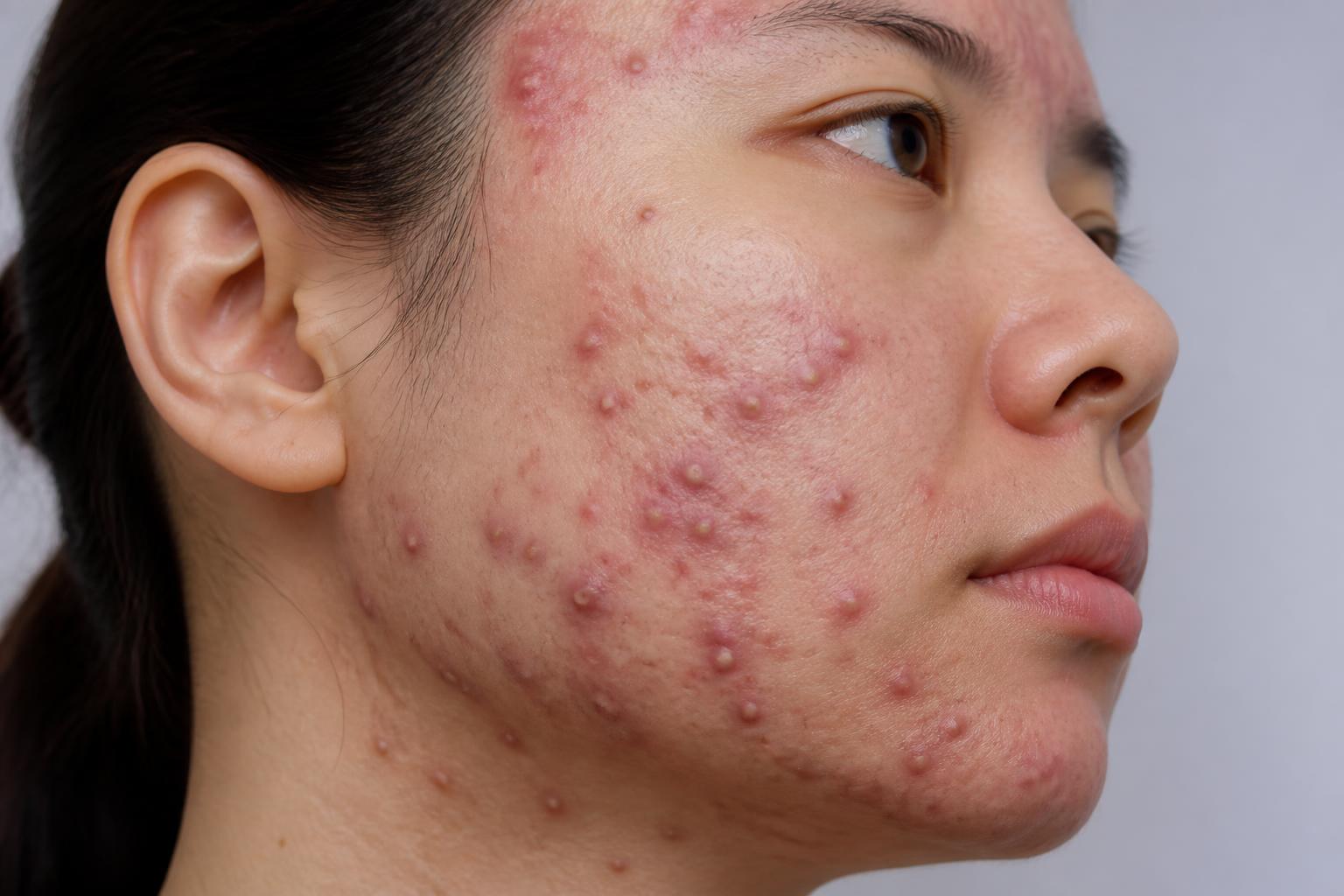
Adult Acne: Why It Persists and How to Treat It
Hormones, stress, diet: factors that perpetuate acne after 25 and validated dermatological approaches.
Dermatology
Atopic Eczema: Strategies to Soothe Flare-ups
Understand the mechanism of atopic dermatitis and adopt a skincare routine that reduces the frequency and intensity of flare-ups.
Dermatology
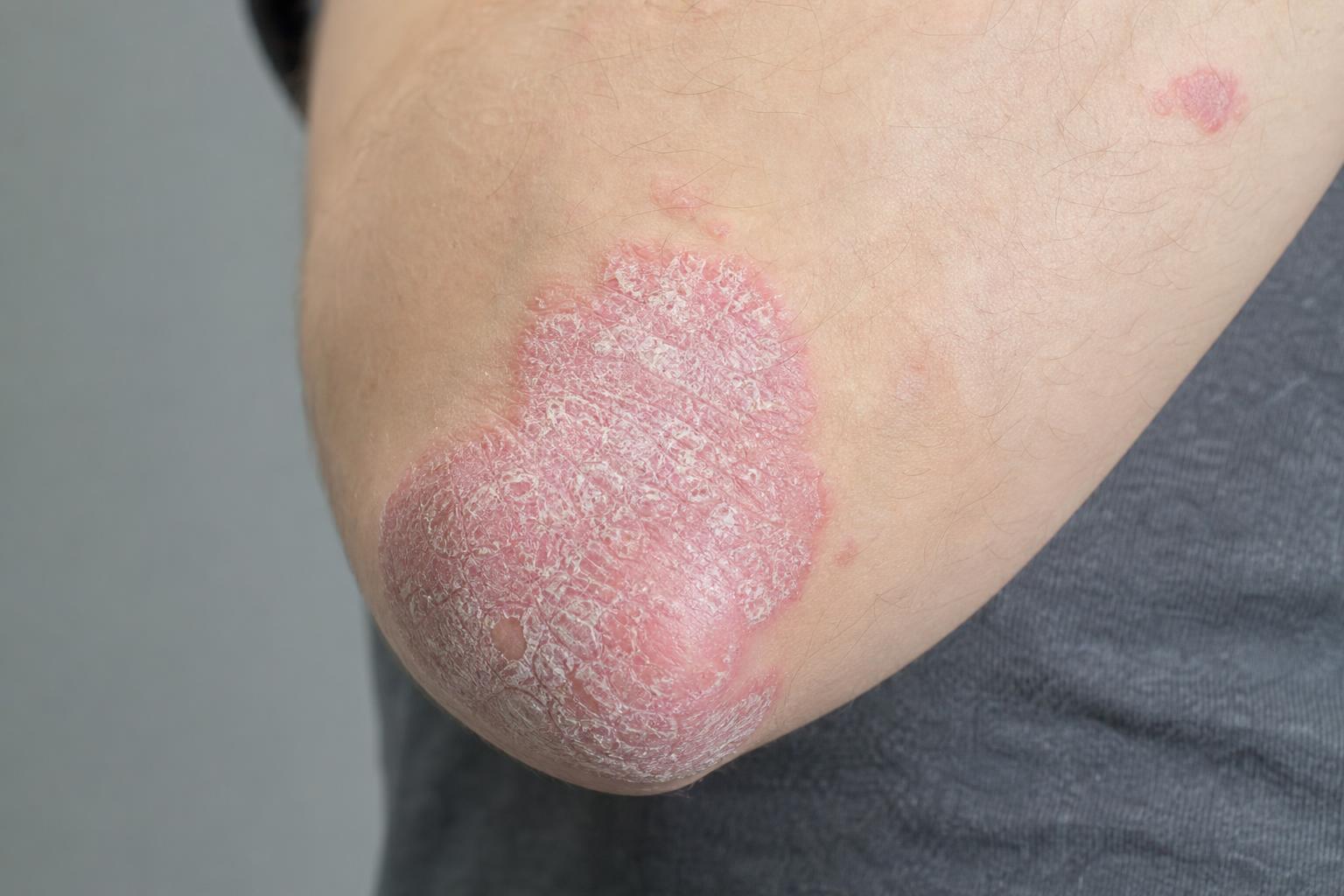
Psoriasis: Much More Than a Skin Problem
Psoriasis is a chronic autoimmune disease. Understanding its mechanisms helps to live better with it and choose the right treatments.

Dermatology
Sunscreen: Separating Fact from Fiction
The sun is essential but dangerous in excess. An overview of evidence-based dermatological recommendations.
Dermatology
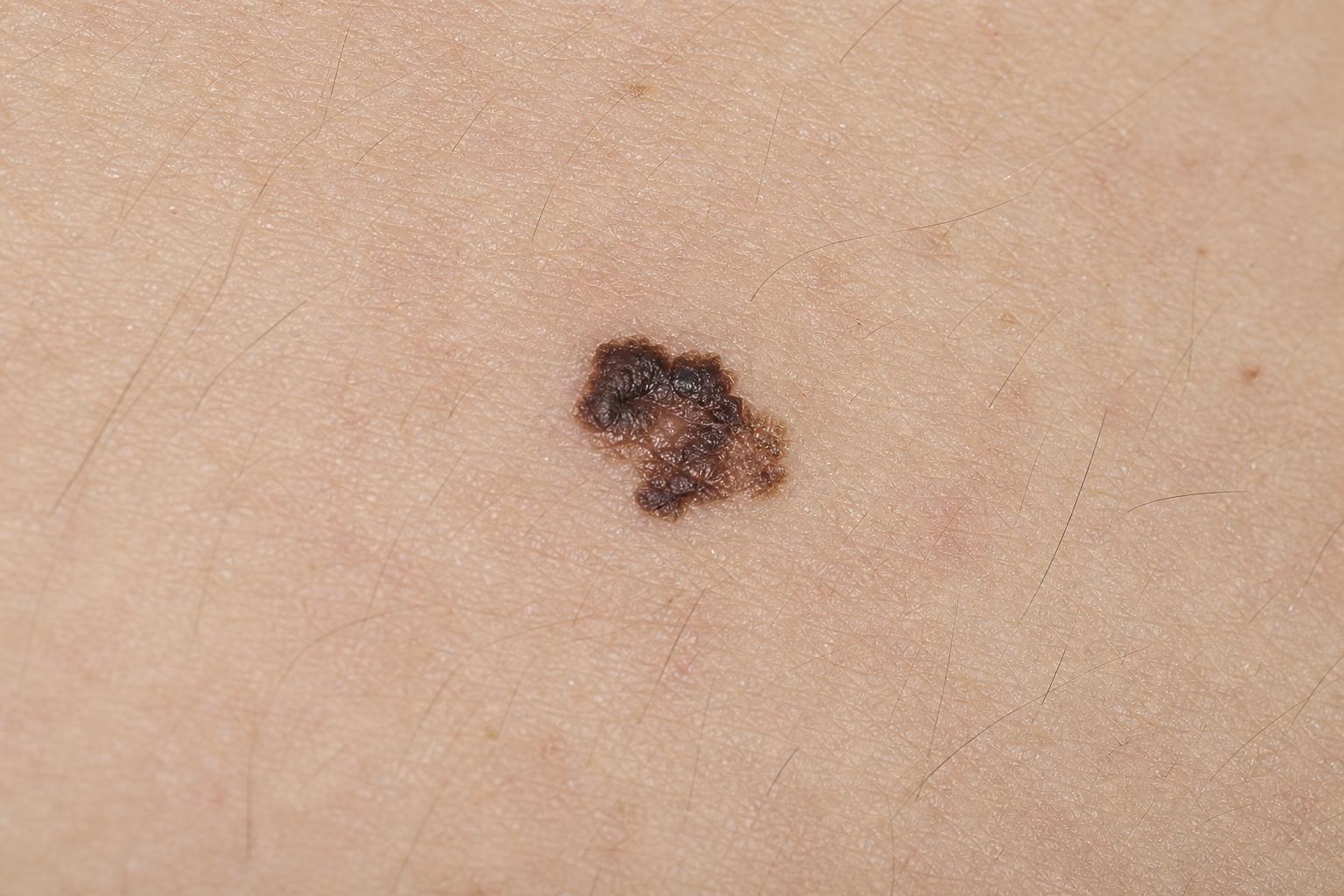
Melanoma: Warning Signs to Know
The ABCDE rule helps identify suspicious moles. Melanoma detected early has a survival rate of over 95%.
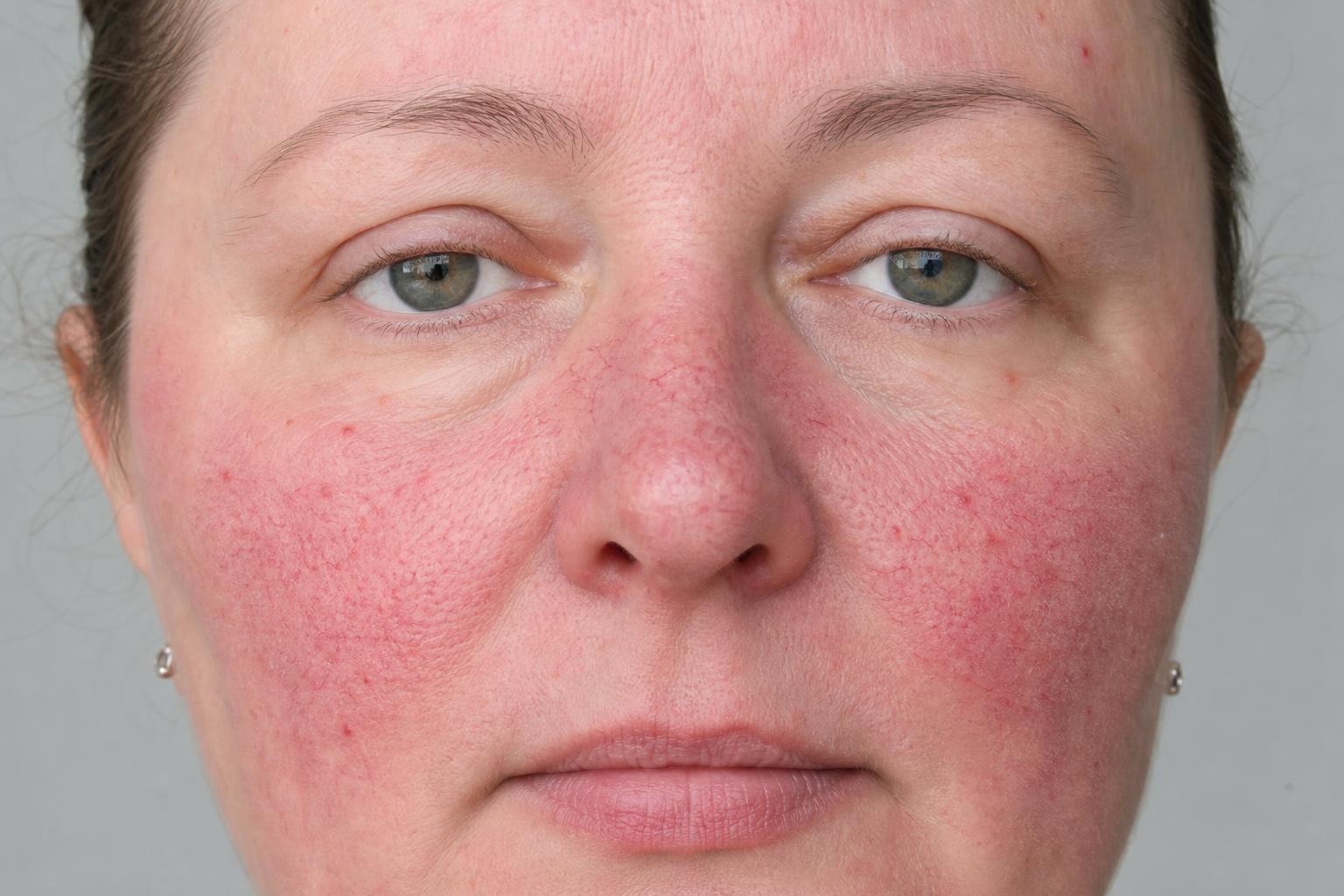
Dermatology
Rosacea: Understanding and Treating Facial Redness
Rosacea affects 5% of adults. Identifying its triggers and suitable treatments can help achieve a soothed complexion.