Rosacea: Understanding and Treating Facial Redness
Redness, hot flashes, visible small vessels.
Dr. Sophie Renard
Dermatologist
In simple terms
Rosacea affects 5% of adults. Identifying its triggers and suitable treatments can help achieve a soothed complexion.
What you need to remember
- The four stages — Erythema**: diffuse redness on the cheeks and nose
- Therapeutic approaches — Topical treatments**: metronidazole, azelaic acid, topical ivermectin
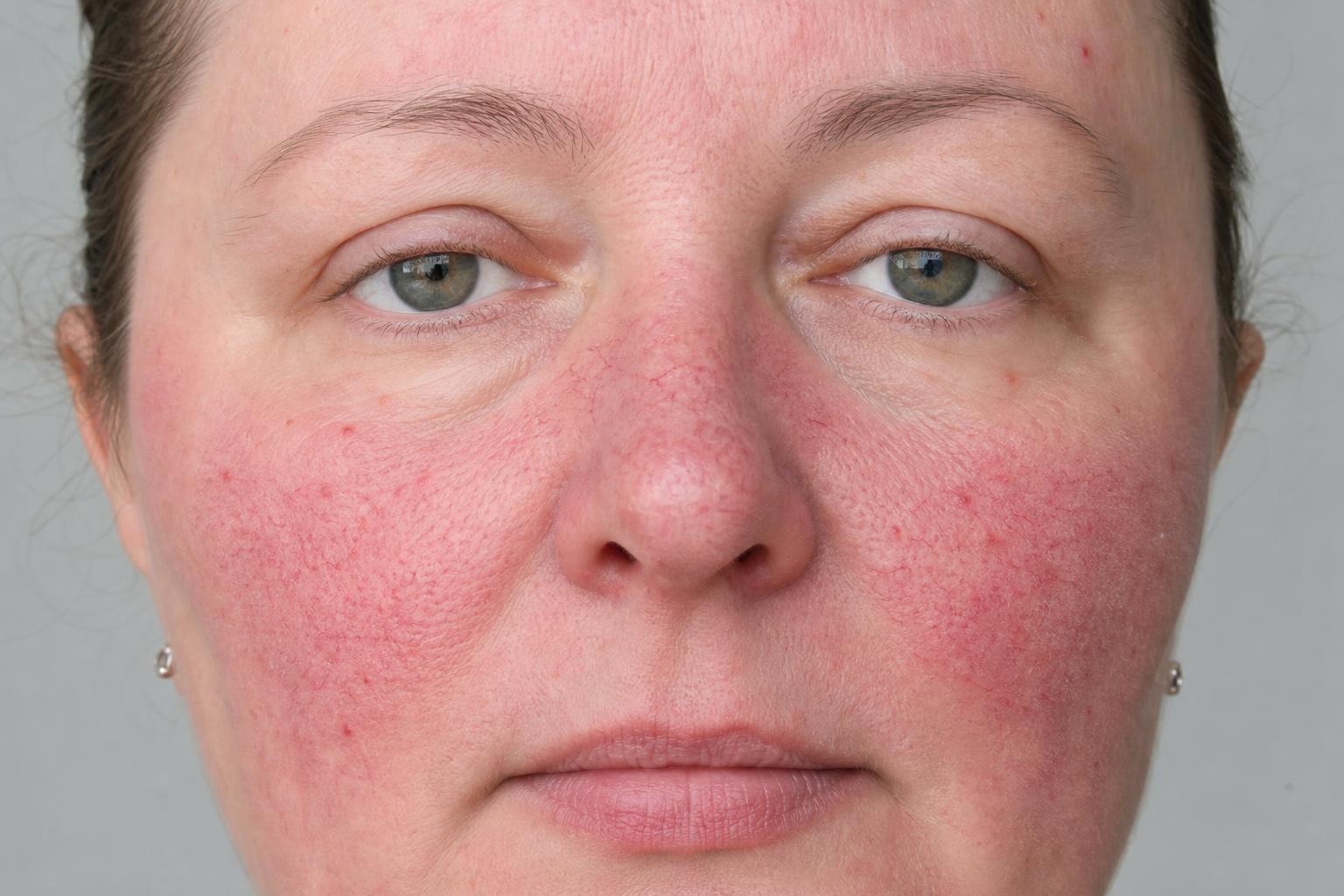
Rosacea is a chronic inflammatory skin disease of the face. It manifests as redness, flushing, and sometimes papulopustules resembling acne.
The four stages
- Erythema: diffuse redness on the cheeks and nose
- Telangiectasia: appearance of visible small dilated blood vessels
- Papulopustular phase: inflammatory bumps without blackheads
- Rhinophyma: thickening of the skin of the nose (rare, especially in men)
Common triggers
- Alcohol, spices, hot drinks
- Temperature variations, cold wind
- Emotional stress
- Certain cosmetics (especially those containing alcohol)
- Sun exposure
Therapeutic approaches
- Topical treatments: metronidazole, azelaic acid, topical ivermectin
- Vascular laser: to treat established telangiectasias
- Antibiotics: doxycycline at anti-inflammatory dose for papulopustular forms
Rosacea is not linked to poor hygiene. It is a vascular and inflammatory predisposition that can be acted upon.
The words explained
Medical terms used above, in everyday language.
- Chronic
- A problem that lasts a long time, usually more than three months, and often comes back.
- Inflammation
- The body's reaction to injury or irritation: redness, swelling, heat or pain.
- Antibiotic
- A medicine that kills bacteria. It does not work against viruses like colds or flu.
- Topical
- A treatment you apply on the skin, like a cream, gel or ointment.
- Anti-inflammatory
- A medicine or food that calms swelling and pain.
When should you see a doctor?
- Your symptoms last more than a few weeks or keep coming back.
- They get worse quickly, or stop you doing everyday things.
- You notice sudden pain, breathing trouble, fainting or bleeding — seek urgent care.
- You already take medication and want to change anything about it.
This article explains general health information. It does not replace advice from your own doctor.
Frequently asked questions
- What is Rosacea: Understanding and Treating Facial Redness?
- Rosacea affects 5% of adults. Identifying its triggers and suitable treatments can help achieve a soothed complexion.
- What are the main symptoms or signs of Rosacea: Understanding and Treating Facial Redness?
- Common signs vary from person to person. The article above lists the symptoms to watch for, how they progress, and when they need medical attention.
- When should you see a doctor for Rosacea: Understanding and Treating Facial Redness?
- See a doctor if symptoms last more than a few weeks, get worse quickly, stop you doing everyday things, or if you notice sudden pain, breathing trouble, fainting or bleeding.
Related health topics
Dermatology
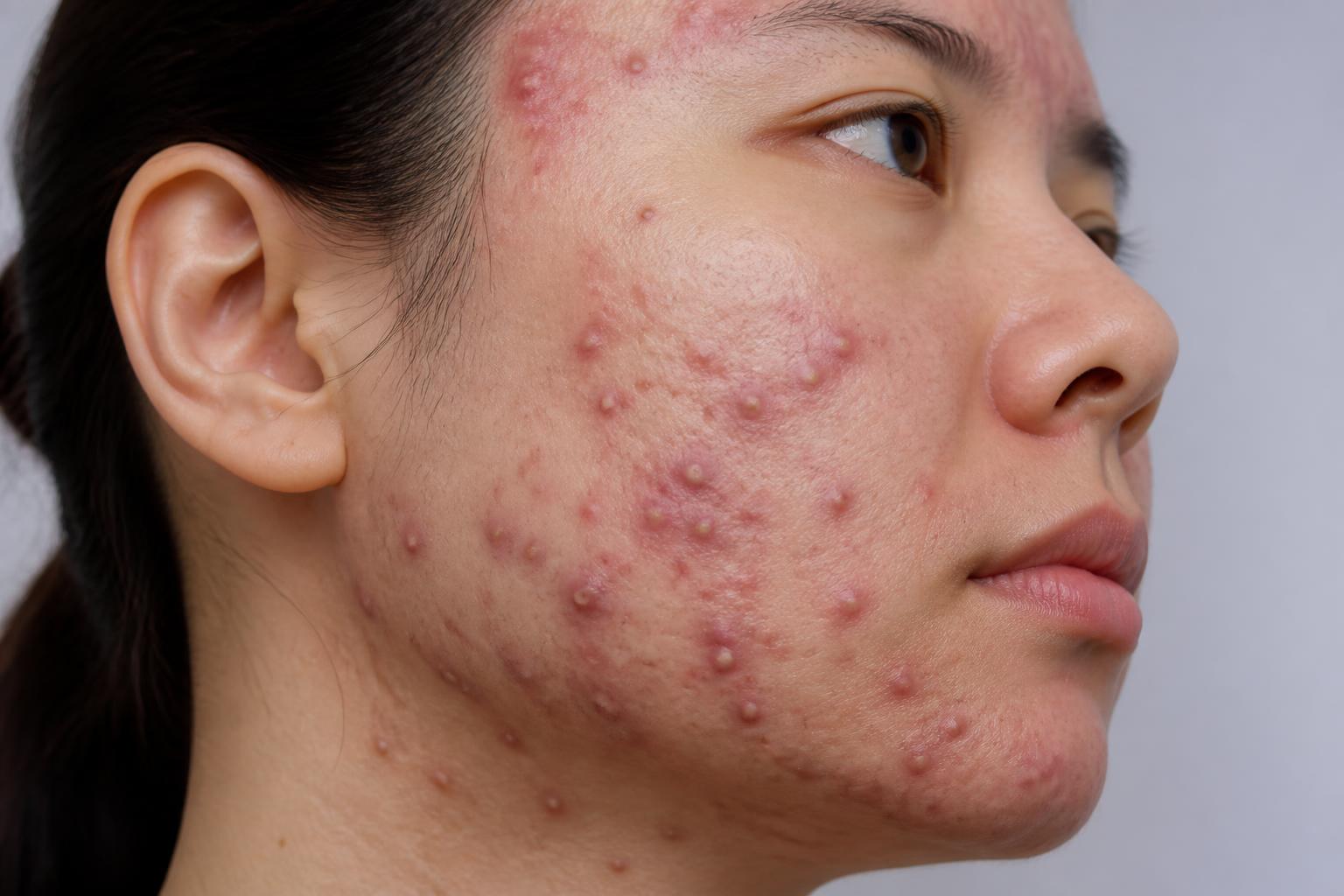
Adult Acne: Why It Persists and How to Treat It
Hormones, stress, diet: factors that perpetuate acne after 25 and validated dermatological approaches.
Dermatology
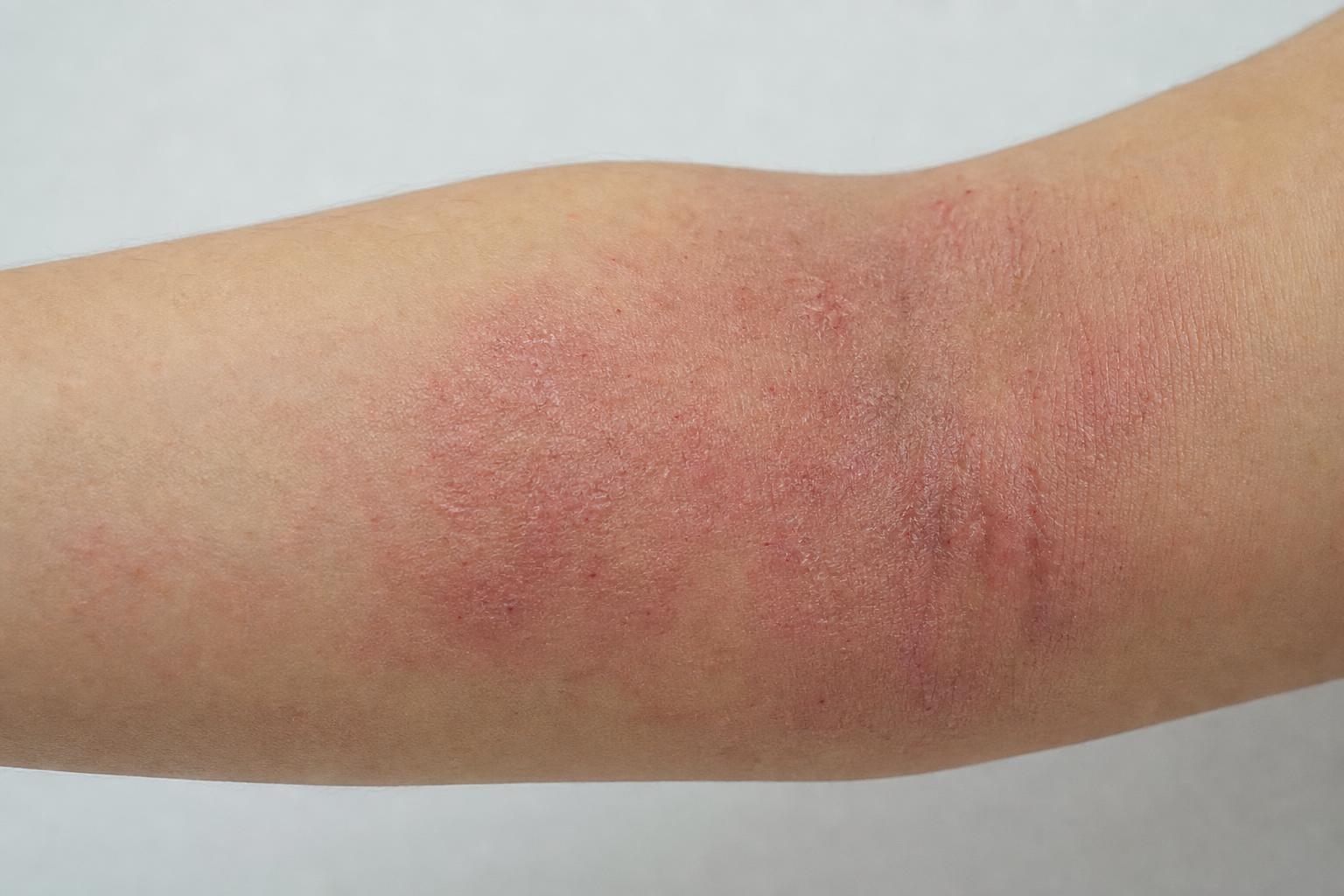
Atopic Eczema: Strategies to Soothe Flare-ups
Understand the mechanism of atopic dermatitis and adopt a skincare routine that reduces the frequency and intensity of flare-ups.
Dermatology
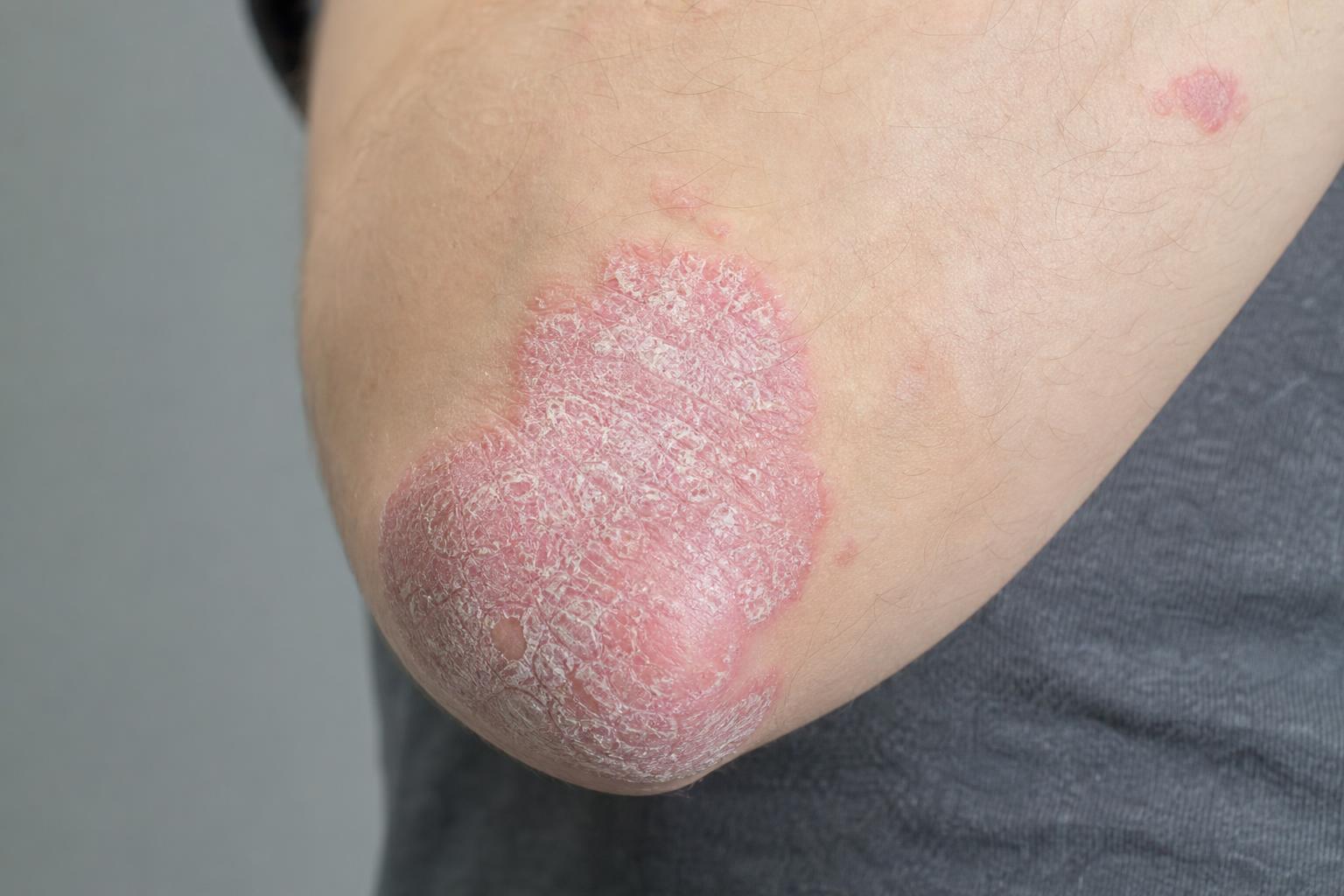
Psoriasis: Much More Than a Skin Problem
Psoriasis is a chronic autoimmune disease. Understanding its mechanisms helps to live better with it and choose the right treatments.

Dermatology
Sunscreen: Separating Fact from Fiction
The sun is essential but dangerous in excess. An overview of evidence-based dermatological recommendations.
Dermatology
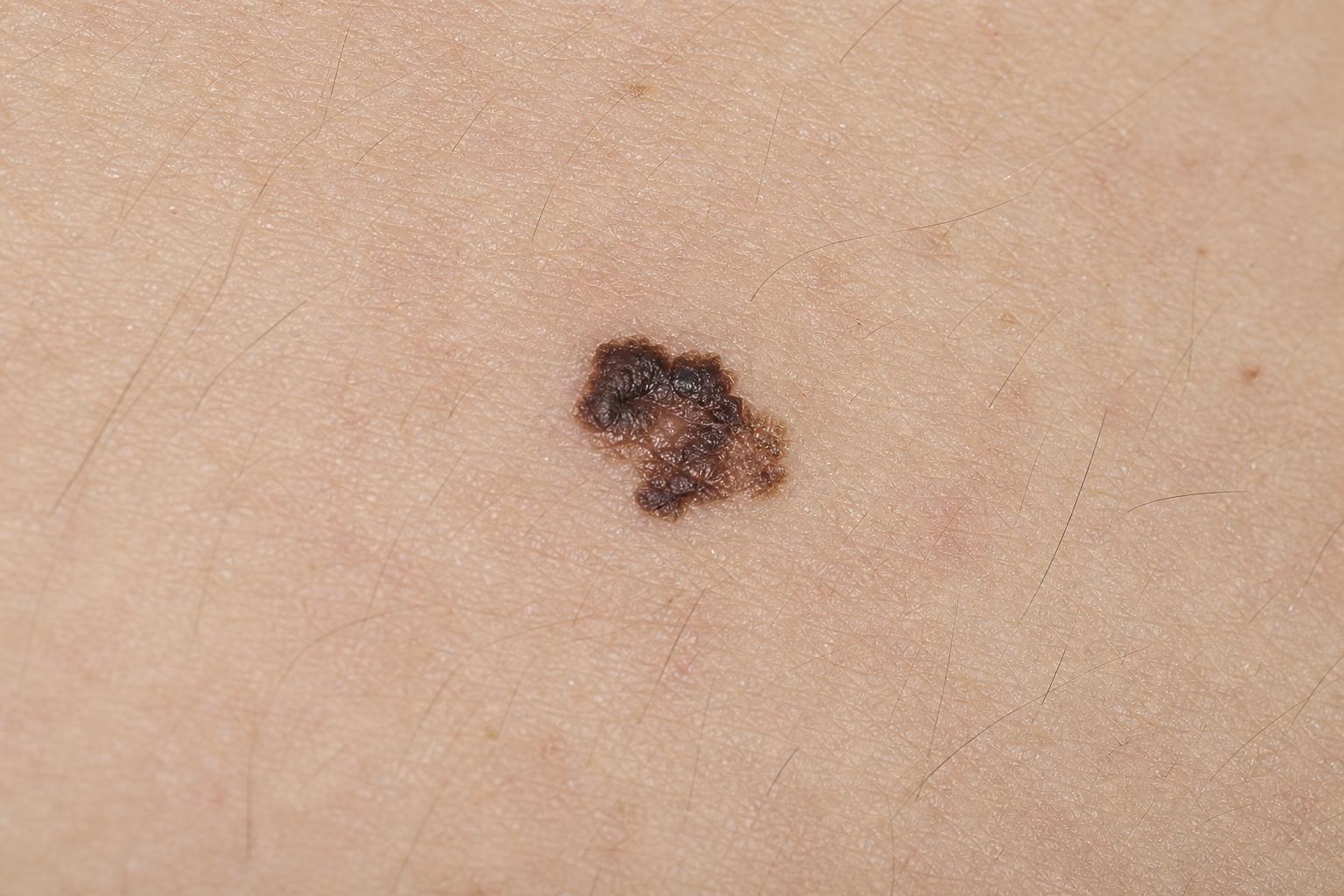
Melanoma: Warning Signs to Know
The ABCDE rule helps identify suspicious moles. Melanoma detected early has a survival rate of over 95%.
Dermatology
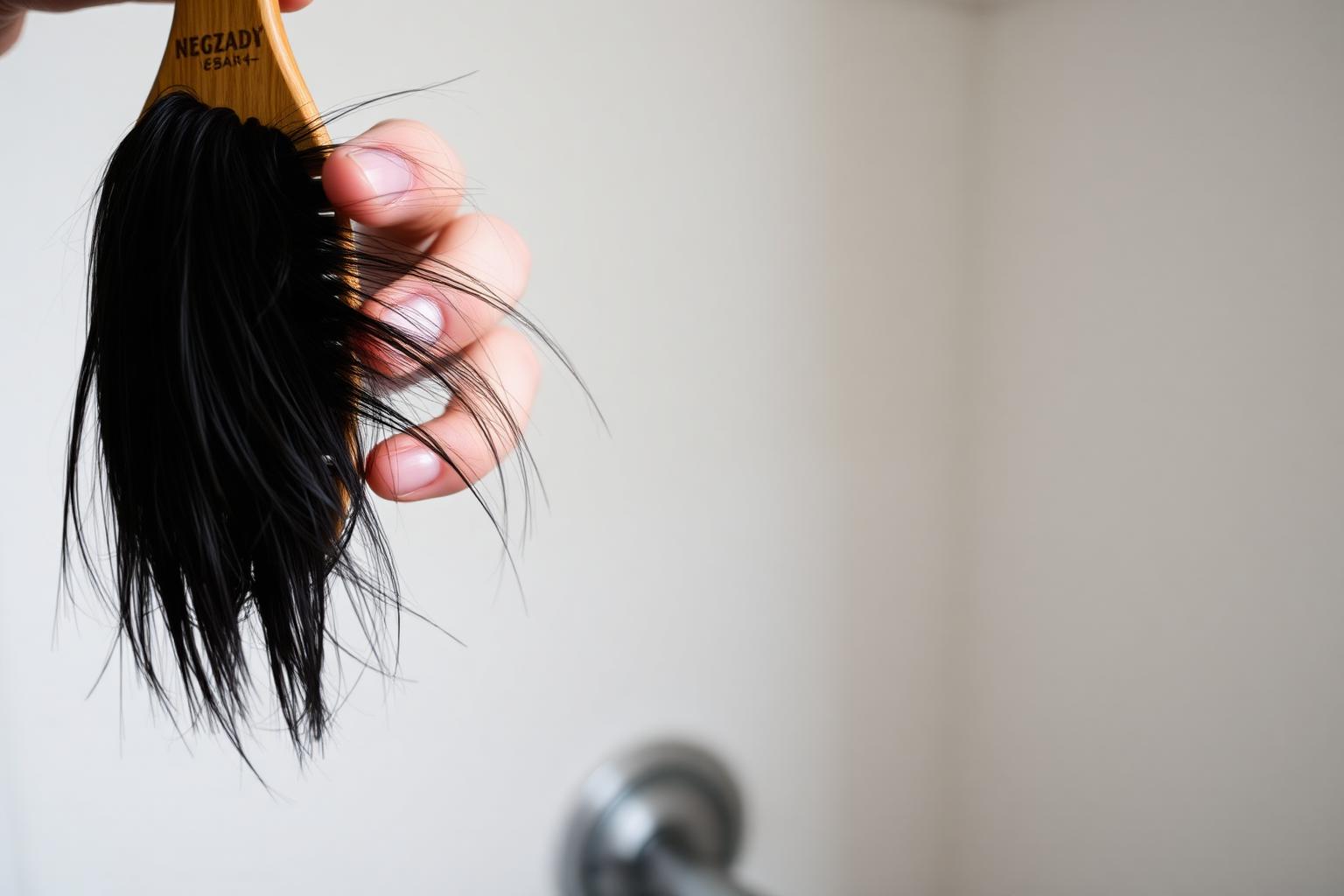
Hair Loss: When Should You Worry?
Androgenetic alopecia, telogen effluvium, iron deficiency: identify the cause to choose the right treatment.