
Pneumonia: The Lung Infection That Still Kills Too Many
Leading infectious cause of mortality in children under 5 years old
Dr. Hélène Rousseau
Pulmonologist

In simple terms
Fever, productive cough, chest pain, breathing difficulties: pneumonia requires rapid diagnosis and treatment.
What is pneumonia?
Pneumonia is an acute infection of the lung alveoli caused by bacteria, viruses, or fungi. Streptococcus pneumoniae (pneumococcus) is the most common germ in adults. According to health authorities, pneumonia killed 2.5 million people in 2019, including 672,000 children under 5 years old.
Symptoms and diagnosis
High fever with chills, cough with purulent or rusty sputum, chest pain increased by breathing, shortness of breath, and altered general condition. A chest X-ray confirms the diagnosis by showing a lung opacity. Blood tests reveal inflammation (elevated CRP).
Treatment
Bacterial pneumonias are treated with antibiotics (amoxicillin as first-line). Hospitalization is necessary in case of signs of severity (confusion, low blood pressure, high respiratory rate). Viral pneumonias generally resolve spontaneously but may require specific antiviral treatment.
Prevention
Pneumococcal vaccination is recommended for infants, the elderly, and patients with chronic diseases. Influenza vaccination also reduces the risk of secondary pneumonia. Hand hygiene and smoking cessation complete prevention.
The words explained
Medical terms used above, in everyday language.
- Chronic
- A problem that lasts a long time, usually more than three months, and often comes back.
- Acute
- Something that starts suddenly and lasts a short time.
- Inflammation
- The body's reaction to injury or irritation: redness, swelling, heat or pain.
- Symptom
- A sign you can feel or see that something is wrong, like pain, tiredness or a rash.
- Diagnosis
- The moment a doctor identifies which illness is causing your symptoms.
- Antibiotic
- A medicine that kills bacteria. It does not work against viruses like colds or flu.
When should you see a doctor?
- Your symptoms last more than a few weeks or keep coming back.
- They get worse quickly, or stop you doing everyday things.
- You notice sudden pain, breathing trouble, fainting or bleeding — seek urgent care.
- You already take medication and want to change anything about it.
This article explains general health information. It does not replace advice from your own doctor.
Frequently asked questions
- What is Pneumonia: The Lung Infection That Still Kills Too Many?
- Fever, productive cough, chest pain, breathing difficulties: pneumonia requires rapid diagnosis and treatment.
- What are the main symptoms or signs of Pneumonia: The Lung Infection That Still Kills Too Many?
- Common signs vary from person to person. The article above lists the symptoms to watch for, how they progress, and when they need medical attention.
- When should you see a doctor for Pneumonia: The Lung Infection That Still Kills Too Many?
- See a doctor if symptoms last more than a few weeks, get worse quickly, stop you doing everyday things, or if you notice sudden pain, breathing trouble, fainting or bleeding.
Related health topics
Infectious Diseases
Antibiotics: when they help and when they do nothing
Taking antibiotics for a virus brings side effects without any benefit.
Infectious Diseases
Tuberculosis: The World's Deadliest Infectious Disease
Tuberculosis remains a global scourge despite the existence of effective treatment. Persistent cough, night sweats, weight loss: recognizing the signs can save lives.
Pulmonology
COPD: The Silent Disease of Smokers
Progressive shortness of breath, chronic cough, sputum: COPD slowly destroys the lungs. Smoking cessation is the only treatment that slows the disease.
Pulmonology
COPD: slowing the decline
Breathlessness that creeps up over years deserves a spirometry test, not resignation.

Infectious Diseases
Conjunctivitis: red eye, three very different causes
How to tell them apart, why antibiotic drops are usually unnecessary, and when redness is dangerous.
Ear, Nose & Throat
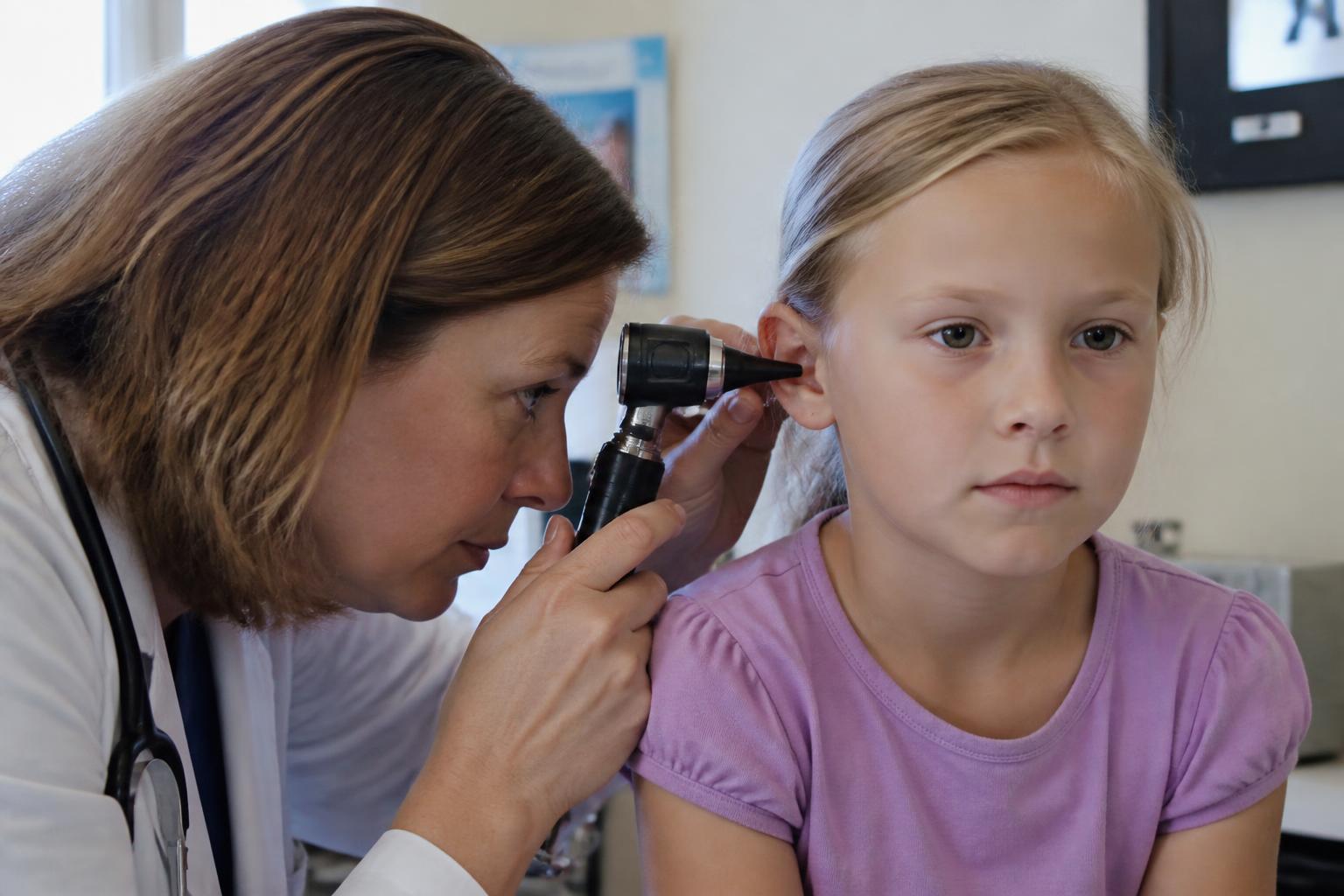
Acute middle ear infection in children: what really helps
Why the ear is affected after a cold, when to wait, and how to prevent recurrence.