Conjunctivitis: red eye, three very different causes
Viral, bacterial or allergic, and treated differently
Dr. Yanis Kaddour
Infectious disease specialist
In simple terms
How to tell them apart, why antibiotic drops are usually unnecessary, and when redness is dangerous.
What it is, in plain words
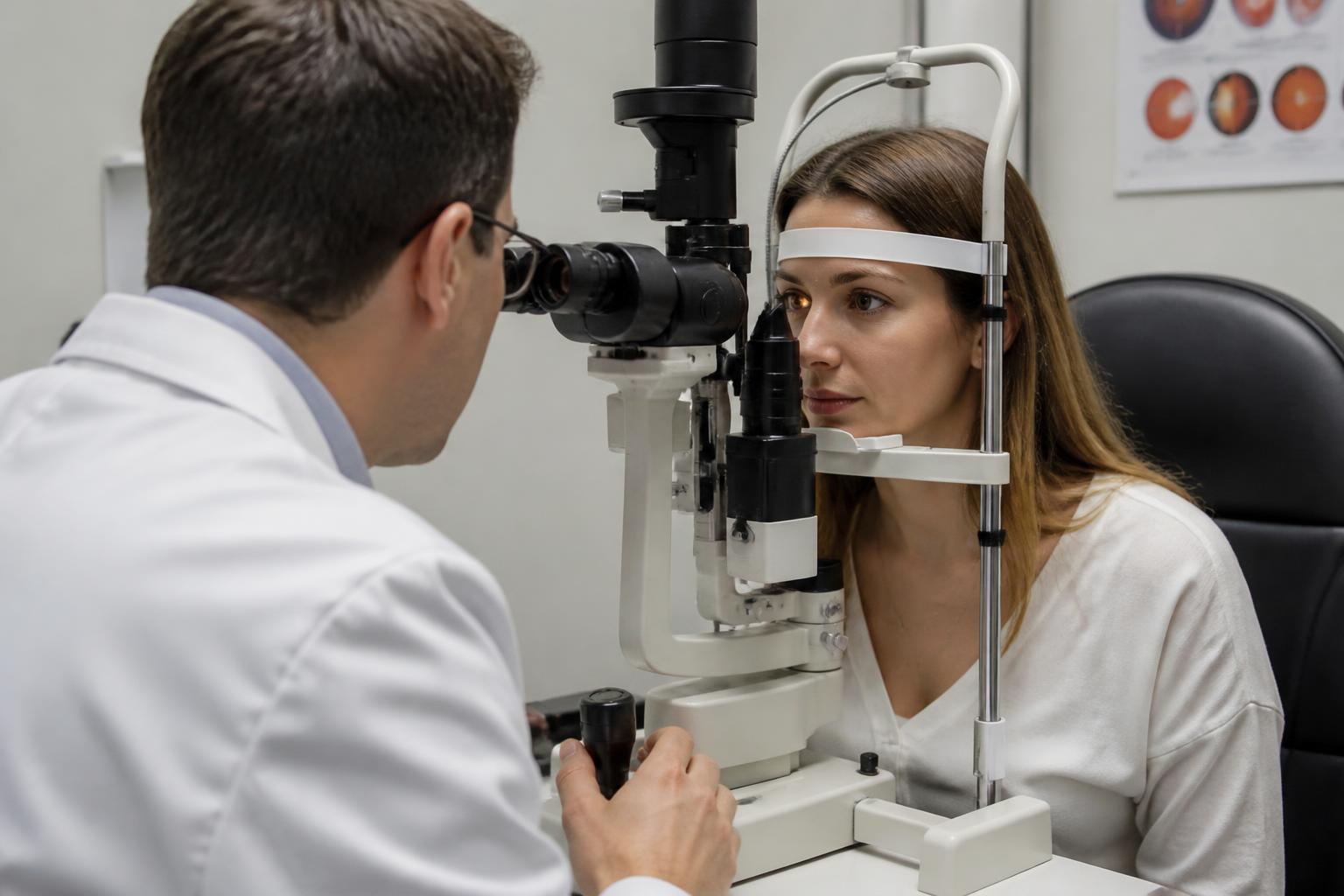
Conjunctivitis is inflammation of the thin membrane covering the white of the eye and the inside of the eyelids. The vessels dilate and the eye looks pink. The important task is not to treat every red eye the same, because a viral, bacterial, allergic or dangerous inner-eye cause each behaves differently.
Signs to look out for
- Viral: watery discharge, often starting in one eye then the other, gritty feeling, recent cold, swollen preauricular gland
- Bacterial: thick yellow or green discharge, lids stuck together in the morning
- Allergic: both eyes, intense itching, swelling, sneezing and a runny nose
- Vision remains normal in all three, apart from transient blurring cleared by blinking
- Pain, photophobia or reduced vision indicate a different, more serious problem
Why it happens
Viral conjunctivitis, usually adenovirus, is highly contagious and spreads by hands and shared towels. Bacterial forms are commoner in children. Allergic forms follow pollen, dust mites or animal dander.
How doctors confirm it
Diagnosis is clinical. Swabs are reserved for severe, recurrent or newborn cases, or for suspected chlamydia or gonorrhoea, which need urgent specific treatment.
Treatments and solutions
- Viral: cool compresses, artificial tears, strict handwashing, own towel, no shared pillow, resolves in one to two weeks
- Bacterial: often self-limiting, with antibiotic drops shortening the course in more purulent cases or contact lens wearers
- Allergic: antihistamine or mast cell stabiliser drops, cold compresses, allergen avoidance
- Stop wearing contact lenses until fully recovered, and replace the lens case
- Avoid corticosteroid drops unless prescribed by an ophthalmologist, as they worsen herpes infections
Living with it day to day
Return to school or work is guided by symptoms and hygiene rather than by a fixed number of days; the discharge is contagious as long as it persists.
When to seek medical help
See an eye specialist urgently for eye pain, sensitivity to light, reduced vision, a corneal white spot, contact lens use with severe redness, or a newborn with a discharging eye.
This article explains general health information in simple language. It does not replace advice from your own doctor.
The words explained
Medical terms used above, in everyday language.
- Inflammation
- The body's reaction to injury or irritation: redness, swelling, heat or pain.
- Symptom
- A sign you can feel or see that something is wrong, like pain, tiredness or a rash.
- Diagnosis
- The moment a doctor identifies which illness is causing your symptoms.
- Antibiotic
- A medicine that kills bacteria. It does not work against viruses like colds or flu.
When should you see a doctor?
- Your symptoms last more than a few weeks or keep coming back.
- They get worse quickly, or stop you doing everyday things.
- You notice sudden pain, breathing trouble, fainting or bleeding — seek urgent care.
- You already take medication and want to change anything about it.
This article explains general health information. It does not replace advice from your own doctor.
Frequently asked questions
- What is Conjunctivitis: red eye, three very different causes?
- How to tell them apart, why antibiotic drops are usually unnecessary, and when redness is dangerous.
- What are the main symptoms or signs of Conjunctivitis: red eye, three very different causes?
- Common signs vary from person to person. The article above lists the symptoms to watch for, how they progress, and when they need medical attention.
- When should you see a doctor for Conjunctivitis: red eye, three very different causes?
- See a doctor if symptoms last more than a few weeks, get worse quickly, stop you doing everyday things, or if you notice sudden pain, breathing trouble, fainting or bleeding.
Related health topics

Pulmonology
Asthma: Understanding Your Lungs to Breathe Better
Shortness of breath, wheezing, chest tightness: asthma is a chronic disease that can be well controlled with the right treatment.
Pulmonology
Pneumonia: The Lung Infection That Still Kills Too Many
Fever, productive cough, chest pain, breathing difficulties: pneumonia requires rapid diagnosis and treatment.

Digestive Health
Lactose intolerance or milk allergy? Telling them apart
Bloating after milk is not the same as an allergic reaction, and the management differs completely.
Infectious Diseases
Antibiotics: when they help and when they do nothing
Taking antibiotics for a virus brings side effects without any benefit.

Allergies & Immunity
Seasonal allergies: cutting your exposure to pollen
Timing outdoor activity and rinsing pollen off changes how bad your season is.

Allergies & Immunity
Insect stings: normal reaction or emergency?
How to judge a sting, and who should carry an adrenaline pen.