
Insect stings: normal reaction or emergency?
Local swelling versus a whole-body reaction
Dr. Émilie Garnier
Allergist
In simple terms
How to judge a sting, and who should carry an adrenaline pen.
The normal reaction
Pain, redness and swelling at the site, sometimes a few centimetres across, lasting a day or two. Unpleasant but not dangerous. Cold compress, cleaning, and an antihistamine if itchy.
A large local reaction
Swelling over 10 cm around the site, peaking at 48 hours and lasting several days. Still not an allergy emergency, though it may need a short course of steroids if it limits movement.
Signs of a systemic allergic reaction
- Hives spreading far from the sting
- Swelling of the lips, tongue or throat
- Wheezing, difficulty breathing or swallowing
- Dizziness, collapse, vomiting
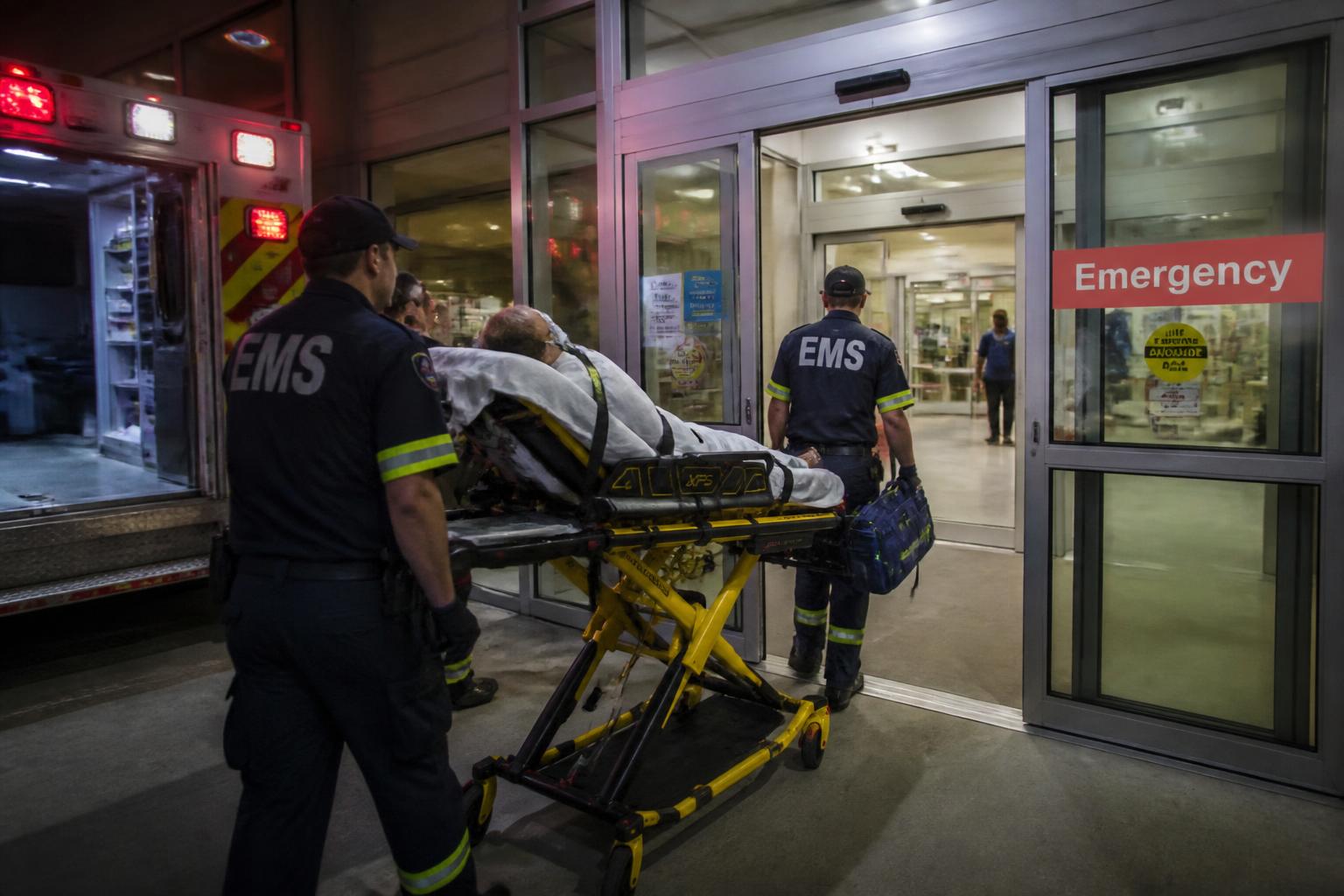
These indicate anaphylaxis. Call emergency services and use an adrenaline auto-injector into the outer thigh immediately if one is available.
After a systemic reaction
Referral to an allergist is essential. Venom immunotherapy is highly effective, reducing the risk of a future severe reaction to a small fraction, and is one of the clearest success stories in allergy medicine.
The words explained
Medical terms used above, in everyday language.
- Immune system
- Your body's defence team: cells that fight germs and repair damage.
When should you see a doctor?
- Your symptoms last more than a few weeks or keep coming back.
- They get worse quickly, or stop you doing everyday things.
- You notice sudden pain, breathing trouble, fainting or bleeding — seek urgent care.
- You already take medication and want to change anything about it.
This article explains general health information. It does not replace advice from your own doctor.
Frequently asked questions
- What is Insect stings: normal reaction or emergency??
- How to judge a sting, and who should carry an adrenaline pen.
- What are the main symptoms or signs of Insect stings: normal reaction or emergency??
- Common signs vary from person to person. The article above lists the symptoms to watch for, how they progress, and when they need medical attention.
- When should you see a doctor for Insect stings: normal reaction or emergency??
- See a doctor if symptoms last more than a few weeks, get worse quickly, stop you doing everyday things, or if you notice sudden pain, breathing trouble, fainting or bleeding.
Related health topics

Pulmonology
Asthma: Understanding Your Lungs to Breathe Better
Shortness of breath, wheezing, chest tightness: asthma is a chronic disease that can be well controlled with the right treatment.

Digestive Health
Lactose intolerance or milk allergy? Telling them apart
Bloating after milk is not the same as an allergic reaction, and the management differs completely.

Allergies & Immunity
Seasonal allergies: cutting your exposure to pollen
Timing outdoor activity and rinsing pollen off changes how bad your season is.

Infectious Diseases
Conjunctivitis: red eye, three very different causes
How to tell them apart, why antibiotic drops are usually unnecessary, and when redness is dangerous.