
Leukemia: Understanding Blood Cancers
Considerable therapeutic progress in the last 20 years
Dr. Olivier Blanc
Hematologist
In simple terms
Unexplained fatigue, frequent infections, easy bruising: leukemias are blood cell cancers whose prognosis has significantly improved.
What is leukemia?
Leukemias are cancers of the bone marrow stem cells that produce blood cells. Leukemic cells multiply uncontrollably, invading the bone marrow and blood. Acute leukemias (rapid evolution) are distinguished from chronic leukemias (slow evolution), and lymphoid forms from myeloid forms.
The four main types
Acute lymphoblastic leukemia (ALL) is the most common in children with a 90% cure rate. Acute myeloid leukemia (AML) mainly affects adults. Chronic lymphocytic leukemia (CLL) is the most common leukemia in adults in the West. Chronic myeloid leukemia (CML) has been revolutionized by imatinib.
Warning symptoms
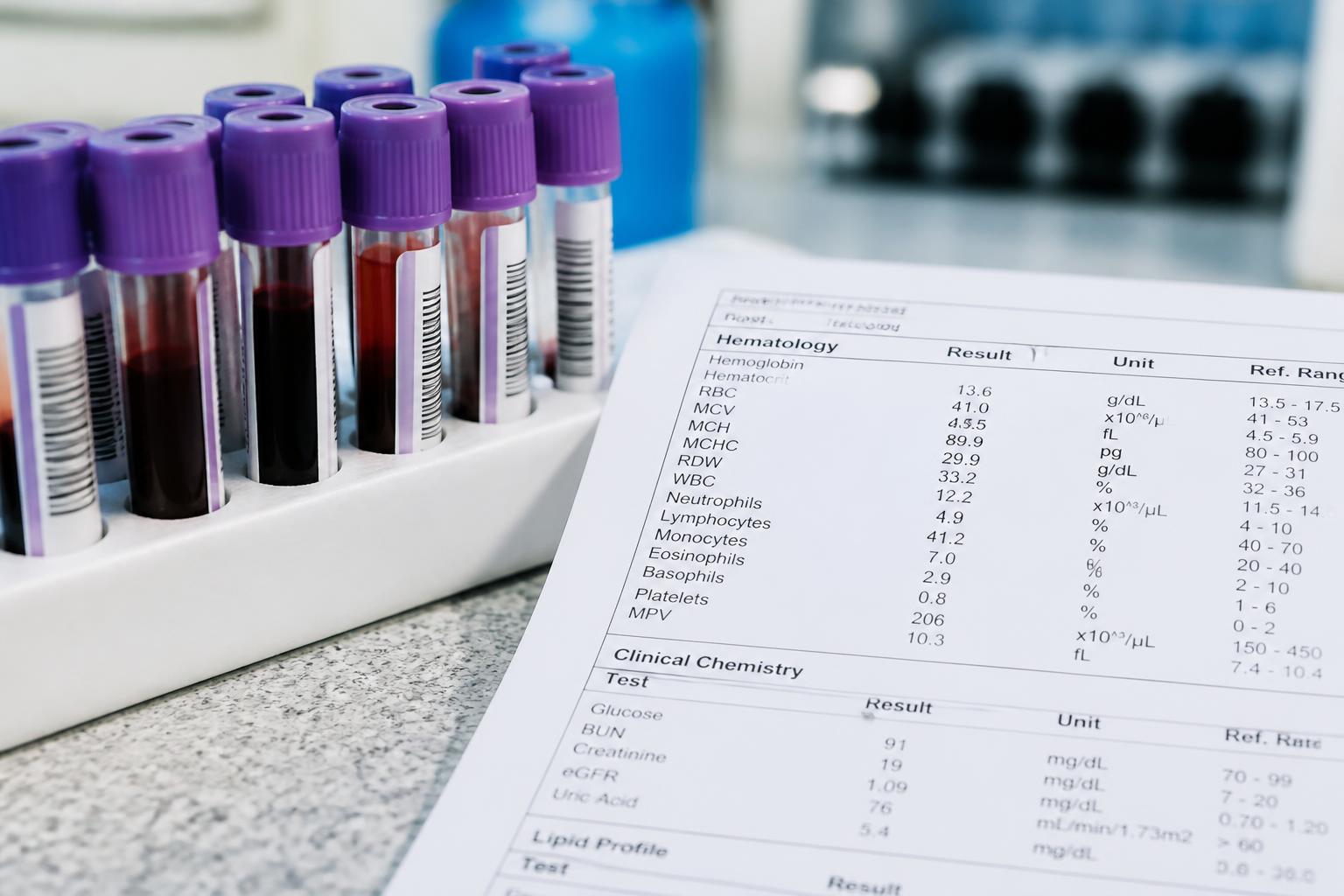
Persistent fatigue, pallor, repeated infections, unexplained fever, unusual bruising and bleeding, bone pain, swollen lymph nodes. An abnormal complete blood count (CBC) guides the diagnosis.
Modern treatments
Intensive chemotherapy, bone marrow transplantation, targeted therapies (imatinib for CML, ibrutinib for CLL), and CAR-T cells (genetically modified lymphocytes) have transformed the prognosis of many leukemias. CML, once fatal, now has an almost normal life expectancy thanks to tyrosine kinase inhibitors.
The words explained
Medical terms used above, in everyday language.
- Chronic
- A problem that lasts a long time, usually more than three months, and often comes back.
- Acute
- Something that starts suddenly and lasts a short time.
- Symptom
- A sign you can feel or see that something is wrong, like pain, tiredness or a rash.
- Diagnosis
- The moment a doctor identifies which illness is causing your symptoms.
- Genetic
- Passed down in your family through your genes.
When should you see a doctor?
- Your symptoms last more than a few weeks or keep coming back.
- They get worse quickly, or stop you doing everyday things.
- You notice sudden pain, breathing trouble, fainting or bleeding — seek urgent care.
- You already take medication and want to change anything about it.
This article explains general health information. It does not replace advice from your own doctor.
Frequently asked questions
- What is Leukemia: Understanding Blood Cancers?
- Unexplained fatigue, frequent infections, easy bruising: leukemias are blood cell cancers whose prognosis has significantly improved.
- What are the main symptoms or signs of Leukemia: Understanding Blood Cancers?
- Common signs vary from person to person. The article above lists the symptoms to watch for, how they progress, and when they need medical attention.
- When should you see a doctor for Leukemia: Understanding Blood Cancers?
- See a doctor if symptoms last more than a few weeks, get worse quickly, stop you doing everyday things, or if you notice sudden pain, breathing trouble, fainting or bleeding.
Related health topics

Cancer & Oncology
Breast Cancer: The Value of Early Detection
Breast cancer is the most common cancer in women worldwide. Early-stage disease has excellent cure rates.
Cancer & Oncology
Colorectal Cancer: Highly Preventable
Colorectal cancer is the third most common cancer worldwide. Removing precancerous polyps prevents most cases.

Cancer & Oncology
Lung Cancer: Symptoms Often Appear Late
Lung cancer remains the leading cause of cancer death globally. Earlier diagnosis dramatically changes survival.

Cancer & Oncology
Prostate Cancer: A Personalized Approach to Screening
Prostate cancer is the most diagnosed cancer in men. Many cases are slow-growing and may not need immediate treatment.
Cancer & Oncology
Melanoma: Detecting Suspicious Moles Early
Melanoma is the deadliest skin cancer, but caught early it is nearly always curable.
Cancer & Oncology
Leukemia: Understanding the Main Forms
Leukemia is not one disease but a family of cancers of blood-forming cells, each with its own approach.