
Leukemia: Understanding the Main Forms
Four broad categories with very different prognoses.
Dr. Anne-Sophie Lefèvre
Oncologist
In simple terms
Leukemia is not one disease but a family of cancers of blood-forming cells, each with its own approach.
What you need to remember
- Possible signs — Fatigue, repeated infections, easy bruising or bleeding, bone pain, persistent fever, or unexplained weight loss.
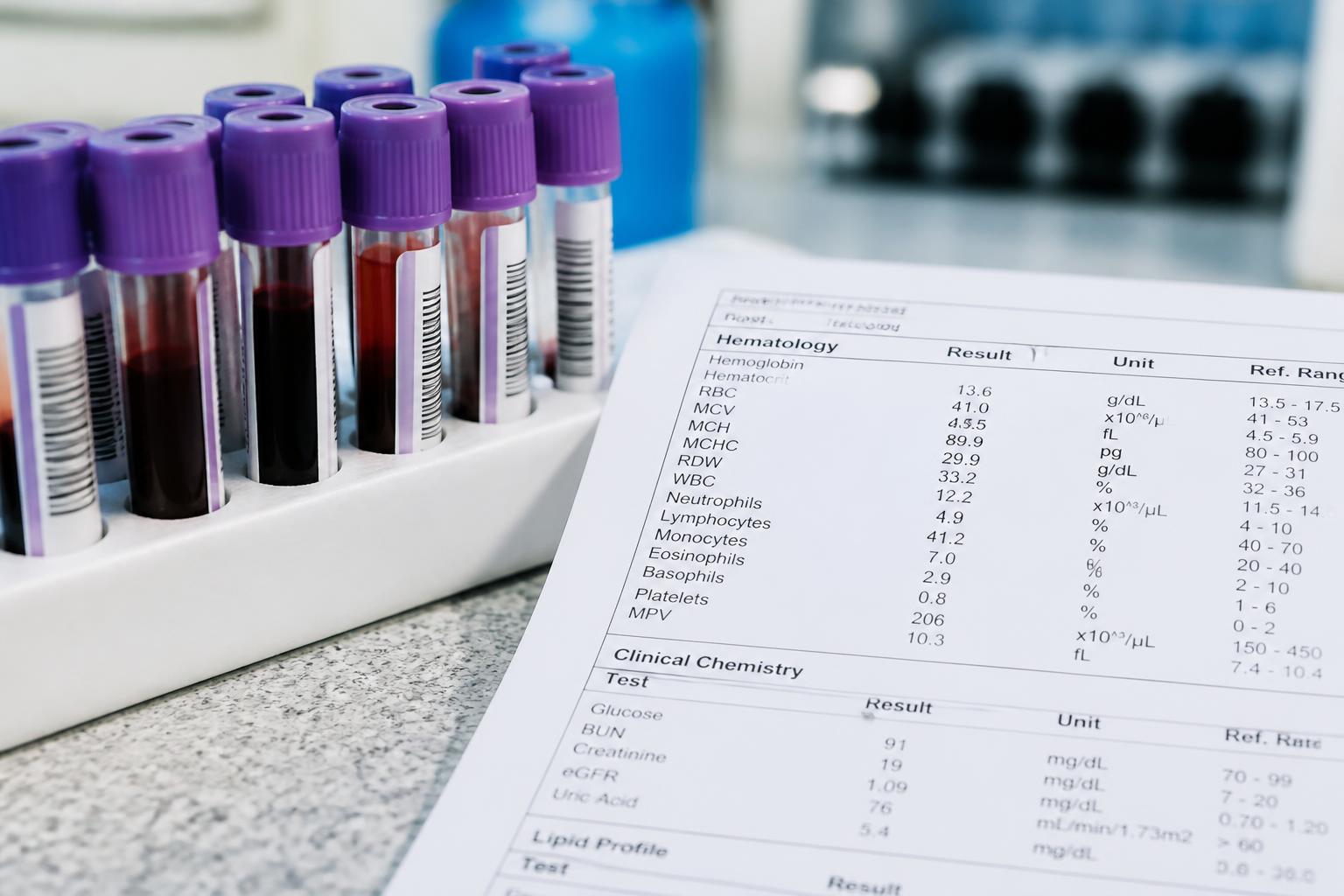
- Diagnosis — Complete blood count abnormalities prompt bone marrow biopsy and molecular profiling to define the subtype and guide therapy.
- Treatment progress — CML is now a chronic disease thanks to tyrosine kinase inhibitors.
- Acute lymphoblastic leukemia (ALL): mostly in children
- Acute myeloid leukemia (AML): commoner in adults
- Chronic lymphocytic leukemia (CLL): older adults, often indolent
- Chronic myeloid leukemia (CML): now manageable with targeted therapy
Possible signs
Fatigue, repeated infections, easy bruising or bleeding, bone pain, persistent fever, or unexplained weight loss.
Diagnosis
Complete blood count abnormalities prompt bone marrow biopsy and molecular profiling to define the subtype and guide therapy.
Treatment progress
CML is now a chronic disease thanks to tyrosine kinase inhibitors. CAR-T cell therapy has revolutionized refractory ALL.
A persistently abnormal blood count deserves haematology review rather than repeated GP visits.
The words explained
Medical terms used above, in everyday language.
- Chronic
- A problem that lasts a long time, usually more than three months, and often comes back.
- Acute
- Something that starts suddenly and lasts a short time.
- Diagnosis
- The moment a doctor identifies which illness is causing your symptoms.
When should you see a doctor?
- Your symptoms last more than a few weeks or keep coming back.
- They get worse quickly, or stop you doing everyday things.
- You notice sudden pain, breathing trouble, fainting or bleeding — seek urgent care.
- You already take medication and want to change anything about it.
This article explains general health information. It does not replace advice from your own doctor.
Frequently asked questions
- What is Leukemia: Understanding the Main Forms?
- Leukemia is not one disease but a family of cancers of blood-forming cells, each with its own approach.
- What are the main symptoms or signs of Leukemia: Understanding the Main Forms?
- Common signs vary from person to person. The article above lists the symptoms to watch for, how they progress, and when they need medical attention.
- When should you see a doctor for Leukemia: Understanding the Main Forms?
- See a doctor if symptoms last more than a few weeks, get worse quickly, stop you doing everyday things, or if you notice sudden pain, breathing trouble, fainting or bleeding.
Related health topics

Cancer & Oncology
Lymphoma: Hodgkin and Non-Hodgkin
Lymphomas are highly heterogeneous. Many subtypes have excellent cure rates with modern therapy.
Cancer & Oncology
Breast Cancer: The Value of Early Detection
Breast cancer is the most common cancer in women worldwide. Early-stage disease has excellent cure rates.
Cancer & Oncology
Colorectal Cancer: Highly Preventable
Colorectal cancer is the third most common cancer worldwide. Removing precancerous polyps prevents most cases.

Cancer & Oncology
Lung Cancer: Symptoms Often Appear Late
Lung cancer remains the leading cause of cancer death globally. Earlier diagnosis dramatically changes survival.

Cancer & Oncology
Prostate Cancer: A Personalized Approach to Screening
Prostate cancer is the most diagnosed cancer in men. Many cases are slow-growing and may not need immediate treatment.
Cancer & Oncology
Melanoma: Detecting Suspicious Moles Early
Melanoma is the deadliest skin cancer, but caught early it is nearly always curable.