
Kidney Stones: Prevention Is the Real Cure
Adequate water intake is the most effective preventive measure.
Dr. Marc Aubry
Internist
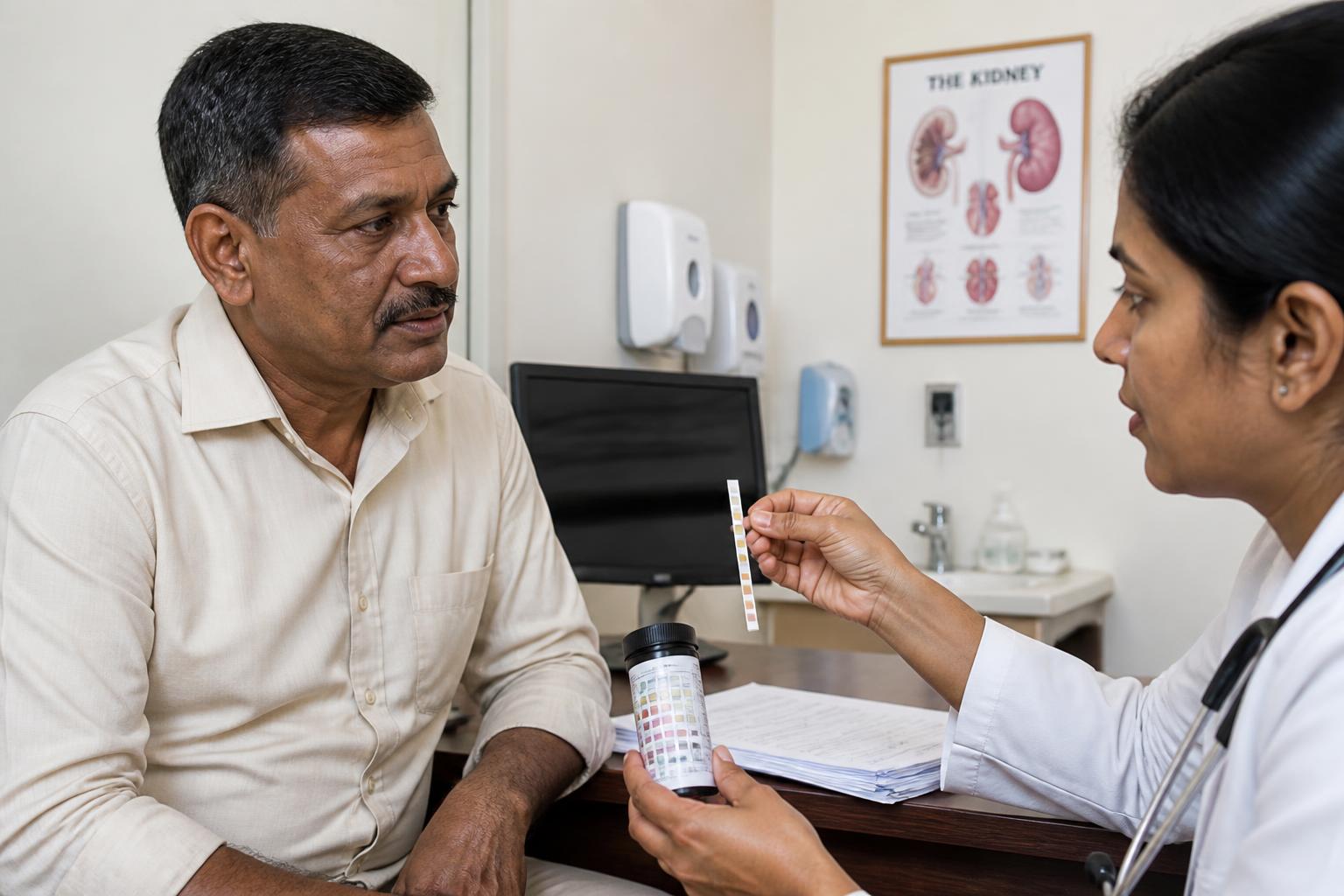
In simple terms
Kidney stones affect 10% of the population at some point. After a first episode, half will recur within 10 years without prevention.
What you need to remember
- Acute management — Hydration, NSAIDs (when not contraindicated), and alpha-blockers to facilitate stone passage.
- Long-term prevention — Drink 2.5-3 L water daily, moderate salt and animal protein, maintain adequate calcium intake (low calcium increases risk), reduce oxalate-rich foods if calcium-oxalate stone former.
Sudden severe flank pain radiating to the groin, nausea, vomiting, blood in urine — the classic renal colic.
Causes
- Dehydration
- High salt or animal protein intake
- Obesity
- Some medications
- Anatomical abnormalities
Acute management
Hydration, NSAIDs (when not contraindicated), and alpha-blockers to facilitate stone passage. Stones over 6 mm or with obstruction may need ureteroscopy or lithotripsy.
Long-term prevention
Drink 2.5-3 L water daily, moderate salt and animal protein, maintain adequate calcium intake (low calcium increases risk), reduce oxalate-rich foods if calcium-oxalate stone former.
Stone composition analysis after a first episode guides truly personalised prevention.
The words explained
Medical terms used above, in everyday language.
- Acute
- Something that starts suddenly and lasts a short time.
- Prevention
- Steps taken before a problem starts, to make it less likely.
When should you see a doctor?
- Your symptoms last more than a few weeks or keep coming back.
- They get worse quickly, or stop you doing everyday things.
- You notice sudden pain, breathing trouble, fainting or bleeding — seek urgent care.
- You already take medication and want to change anything about it.
This article explains general health information. It does not replace advice from your own doctor.
Frequently asked questions
- What is Kidney Stones: Prevention Is the Real Cure?
- Kidney stones affect 10% of the population at some point. After a first episode, half will recur within 10 years without prevention.
- What are the main symptoms or signs of Kidney Stones: Prevention Is the Real Cure?
- Common signs vary from person to person. The article above lists the symptoms to watch for, how they progress, and when they need medical attention.
- When should you see a doctor for Kidney Stones: Prevention Is the Real Cure?
- See a doctor if symptoms last more than a few weeks, get worse quickly, stop you doing everyday things, or if you notice sudden pain, breathing trouble, fainting or bleeding.
Related health topics

Dermatology
Sunscreen: Separating Fact from Fiction
The sun is essential but dangerous in excess. An overview of evidence-based dermatological recommendations.

Cardiology
High Blood Pressure: The Silent Killer
Hypertension often causes no symptoms but significantly increases the risk of stroke and heart attack. How to detect and control it.
Cardiology
Cholesterol: Should We Really Demonize It?
Cholesterol is essential for life. But when LDL accumulates in the arteries, cardiovascular risk increases.

Cardiology
Stroke: Preventing the First Incident
High blood pressure, atrial fibrillation, smoking: risk factors are known and modifiable in the vast majority of cases.
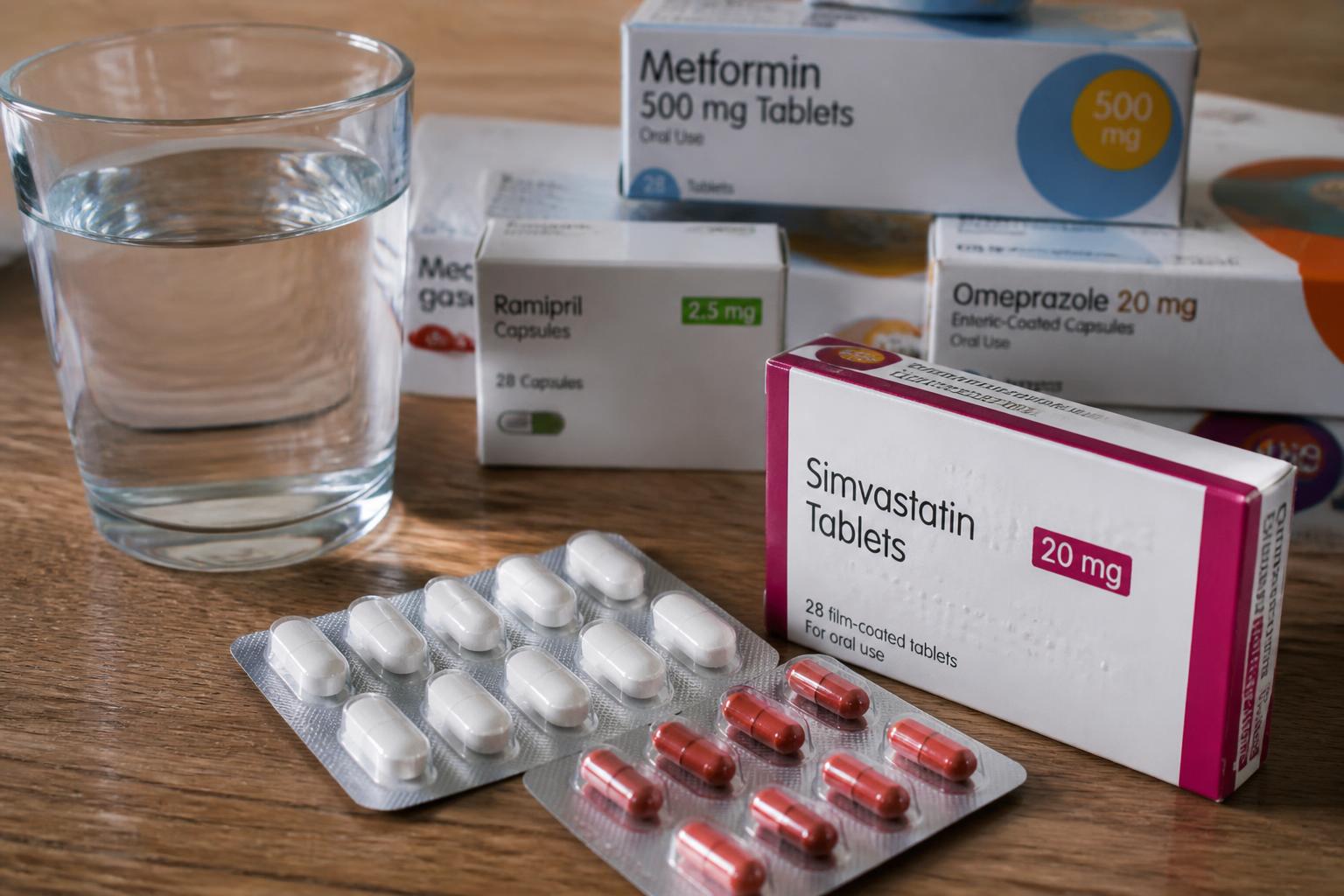
Allergies & Immunity
Boosting Your Immune System: What Really Works
Sleep, exercise, varied diet: the pillars of solid immunity, validated by research.
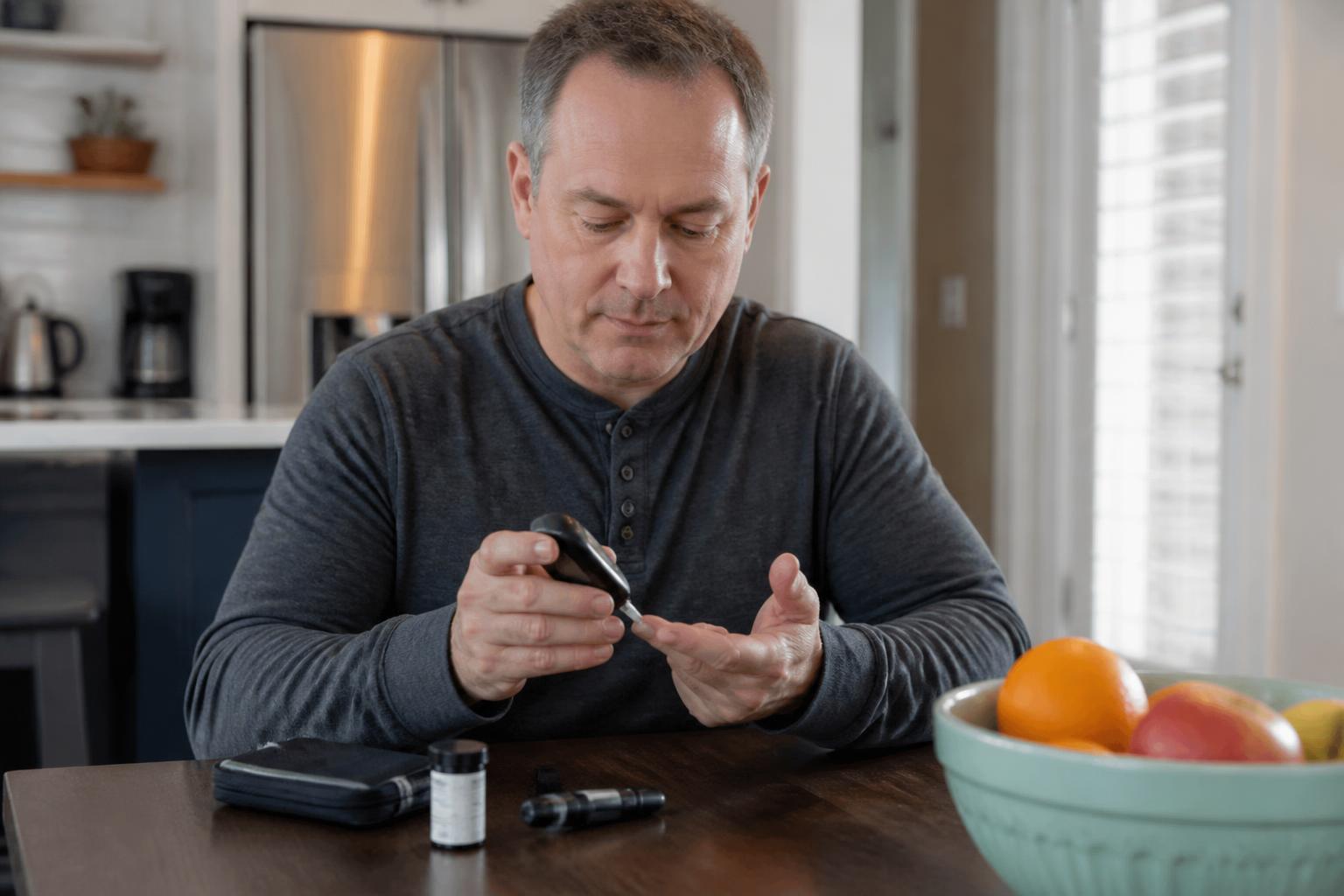
Conditions
Type 2 Diabetes: 7 Actions to Reduce Your Risk by 58%
The DPP study showed: an active lifestyle and modest weight loss reduce the risk of type 2 diabetes by 58%, compared to 31% for metformin.