Sleep Apnea: The Silent Disorder That Tires Your Heart
Up to 1 billion people affected worldwide
Dr. Philippe Marchand
Pulmonologist-somnologist
In simple terms
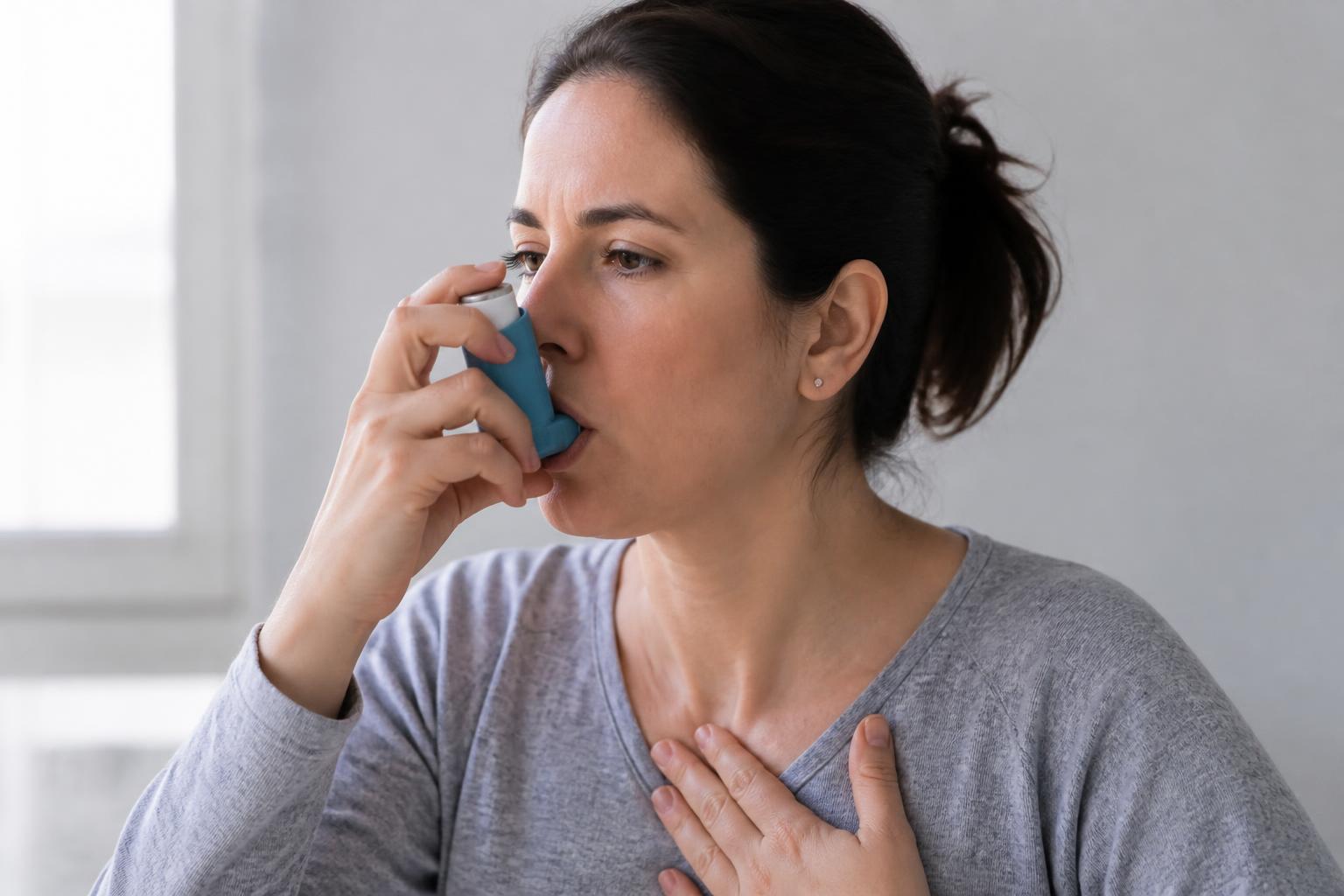
Snoring, nocturnal breathing pauses, daytime sleepiness: sleep apnea increases cardiovascular risk if left untreated.
Understanding Obstructive Sleep Apnea
Obstructive Sleep Apnea-Hypopnea Syndrome (OSAHS) is characterized by repeated breathing pauses during sleep, due to excessive relaxation of throat muscles. These pauses last at least 10 seconds and sometimes occur more than 30 times per hour. It is estimated that one billion people could be affected worldwide.
Symptoms and consequences
Loud snoring, breathing pauses noticed by others, waking up with a choking sensation, excessive daytime sleepiness, morning headaches, concentration problems, irritability. In the long term, untreated OSAHS increases the risk of hypertension, heart attack, stroke, diabetes, and road accidents.
Diagnosis
Polysomnography (in-lab sleep recording) or nocturnal ventilatory polygraphy (at home) confirm the diagnosis and assess severity (apnea-hypopnea index).
Treatments
Continuous Positive Airway Pressure (CPAP) is the reference treatment: a nasal mask delivers an airflow that keeps the airways open. The mandibular advancement device is an alternative for mild to moderate forms. Weight loss, lateral positioning, and alcohol abstinence in the evening improve symptoms.
The words explained
Medical terms used above, in everyday language.
- Symptom
- A sign you can feel or see that something is wrong, like pain, tiredness or a rash.
- Diagnosis
- The moment a doctor identifies which illness is causing your symptoms.
- Blood pressure
- The force of blood pushing against your artery walls. Too high, over years, damages the heart and vessels.
When should you see a doctor?
- Your symptoms last more than a few weeks or keep coming back.
- They get worse quickly, or stop you doing everyday things.
- You notice sudden pain, breathing trouble, fainting or bleeding — seek urgent care.
- You already take medication and want to change anything about it.
This article explains general health information. It does not replace advice from your own doctor.
Frequently asked questions
- What is Sleep Apnea: The Silent Disorder That Tires Your Heart?
- Snoring, nocturnal breathing pauses, daytime sleepiness: sleep apnea increases cardiovascular risk if left untreated.
- What are the main symptoms or signs of Sleep Apnea: The Silent Disorder That Tires Your Heart?
- Common signs vary from person to person. The article above lists the symptoms to watch for, how they progress, and when they need medical attention.
- When should you see a doctor for Sleep Apnea: The Silent Disorder That Tires Your Heart?
- See a doctor if symptoms last more than a few weeks, get worse quickly, stop you doing everyday things, or if you notice sudden pain, breathing trouble, fainting or bleeding.
Related health topics
Sleep
Sleep Apnea: Why You Shouldn't Ignore It
Obstructive sleep apnea syndrome affects 4% of men and 2% of women. Untreated, it increases cardiovascular risk.
Sleep
Chronic insomnia: CBT-I before medication
Sleep restriction, stimulus control, melatonin: overcoming insomnia without dependence.
Neurology
Restless legs syndrome: no longer enduring your nights
Iron, dopamine agonists, gabapentin: relieving RLS.

Fitness
Muscle recovery: what actually helps
Ice baths, massage guns and compression have their place, but the basics do more.

Nutrition
Caffeine: the right dose and the wrong hour
How much is safe, why afternoon coffee costs you deep sleep, and how to cut back painlessly.