
Scabies: relentless night-time itching
A mite in the skin, not poor hygiene
Dr. Sophie Renard
Dermatologist
In simple terms
Where the burrows appear, why the whole household must be treated, and how to stop reinfestation.
What it is, in plain words
Scabies is caused by a microscopic mite that burrows into the top layer of the skin and lays eggs. The itch is an allergic reaction to the mite and its waste, which is why it takes three to six weeks to appear the first time but only days if you are reinfested.
Signs to look out for
- Intense itching, dramatically worse at night and after a hot shower
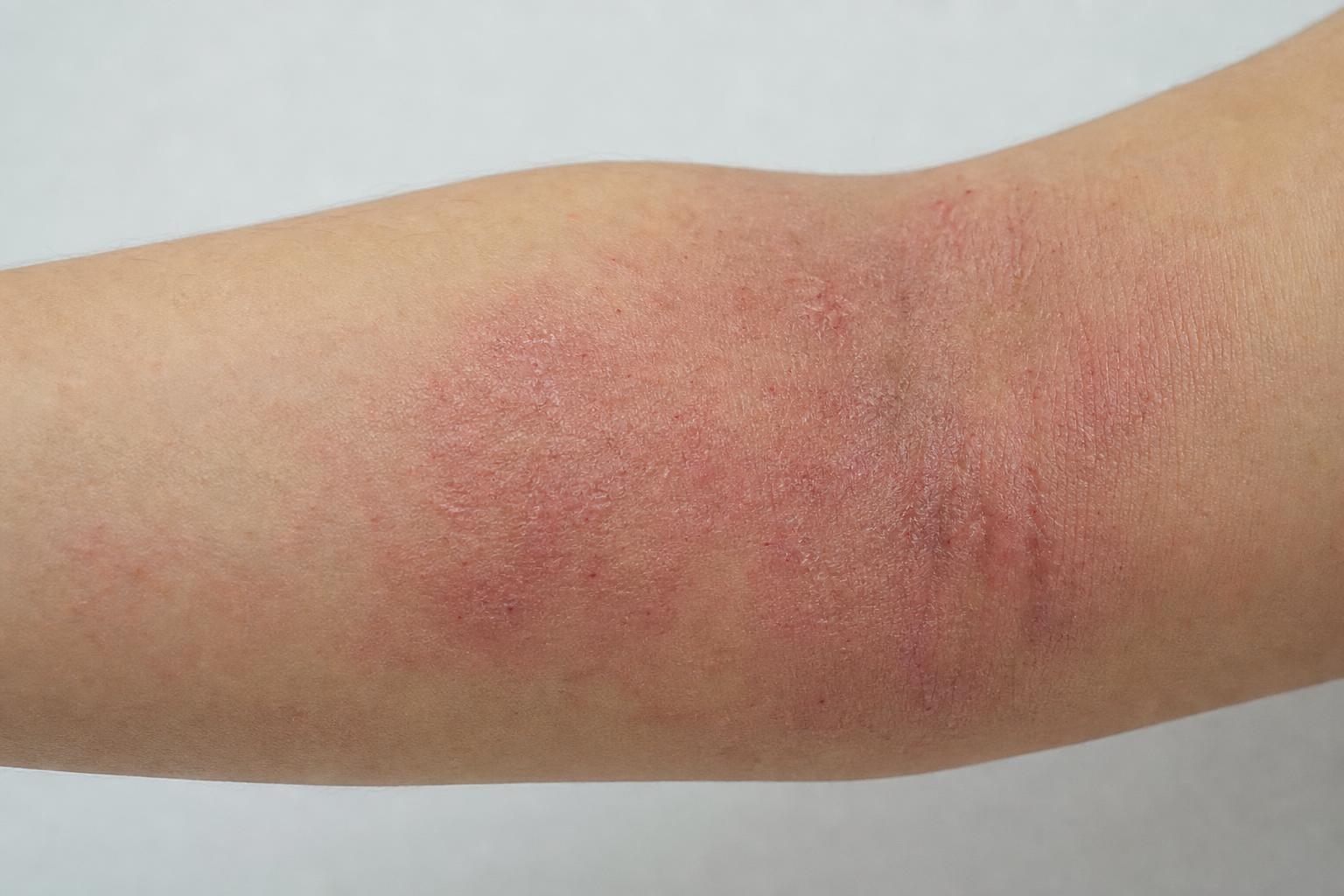
- Small burrows and bumps between the fingers, on wrists, elbows, armpits, waist, buttocks and genitals
- In babies: palms, soles, scalp and face may be involved
- Scratch marks, eczema-like changes and secondary bacterial infection
- Crusted scabies with thick scaly plaques and thousands of mites in immunosuppressed or elderly people
Why it happens
It spreads by prolonged skin-to-skin contact, including within families and couples and in care homes. Brief handshakes rarely transmit it. Bedding and clothing play a minor but real role.
How doctors confirm it
Diagnosis is clinical, supported by dermoscopy showing the mite at the end of a burrow, or by skin scraping under the microscope.
Treatments and solutions
- Permethrin 5% cream applied to the whole body from the neck down, including under nails, left on for 8 to 12 hours, and repeated after 7 days
- Oral ivermectin in two doses a week apart, useful for outbreaks, crusted scabies or when creams cannot be applied
- Simultaneous treatment of everyone in the household and all sexual partners, even those without symptoms
- Washing clothes, towels and bedding at 60 C, or sealing them in a bag for 72 hours
- Antihistamines and emollients for the itch, which can persist two to four weeks after successful treatment and does not mean failure
Living with it day to day
Treat on the same day as a household to break the cycle. Apply to cool, dry skin, and reapply to hands after washing them.
When to seek medical help
See a doctor for spreading redness, pus or fever suggesting bacterial infection, for thick crusted lesions, or for itching that persists beyond four weeks after treatment.
This article explains general health information in simple language. It does not replace advice from your own doctor.
The words explained
Medical terms used above, in everyday language.
- Symptom
- A sign you can feel or see that something is wrong, like pain, tiredness or a rash.
- Diagnosis
- The moment a doctor identifies which illness is causing your symptoms.
- Immune system
- Your body's defence team: cells that fight germs and repair damage.
When should you see a doctor?
- Your symptoms last more than a few weeks or keep coming back.
- They get worse quickly, or stop you doing everyday things.
- You notice sudden pain, breathing trouble, fainting or bleeding — seek urgent care.
- You already take medication and want to change anything about it.
This article explains general health information. It does not replace advice from your own doctor.
Frequently asked questions
- What is Scabies: relentless night-time itching?
- Where the burrows appear, why the whole household must be treated, and how to stop reinfestation.
- What are the main symptoms or signs of Scabies: relentless night-time itching?
- Common signs vary from person to person. The article above lists the symptoms to watch for, how they progress, and when they need medical attention.
- When should you see a doctor for Scabies: relentless night-time itching?
- See a doctor if symptoms last more than a few weeks, get worse quickly, stop you doing everyday things, or if you notice sudden pain, breathing trouble, fainting or bleeding.
Related health topics
Dermatology
Psoriasis: Solutions That Change Patients' Lives
Creams, phototherapy, biologics: psoriasis now has very effective treatments.
Dermatology
Vitiligo: understanding skin depigmentation
Phototherapy, topical JAK inhibitors: novelties against vitiligo.

Conditions
Scleroderma: when the skin and organs harden
Localised versus systemic forms, the early signs, and the treatments that changed the outlook.