
Psoriasis: Solutions That Change Patients' Lives
Biologics that clear the skin
Dr. Sophie Renard
Dermatologist
In simple terms
Creams, phototherapy, biologics: psoriasis now has very effective treatments.
An auto-inflammatory disease
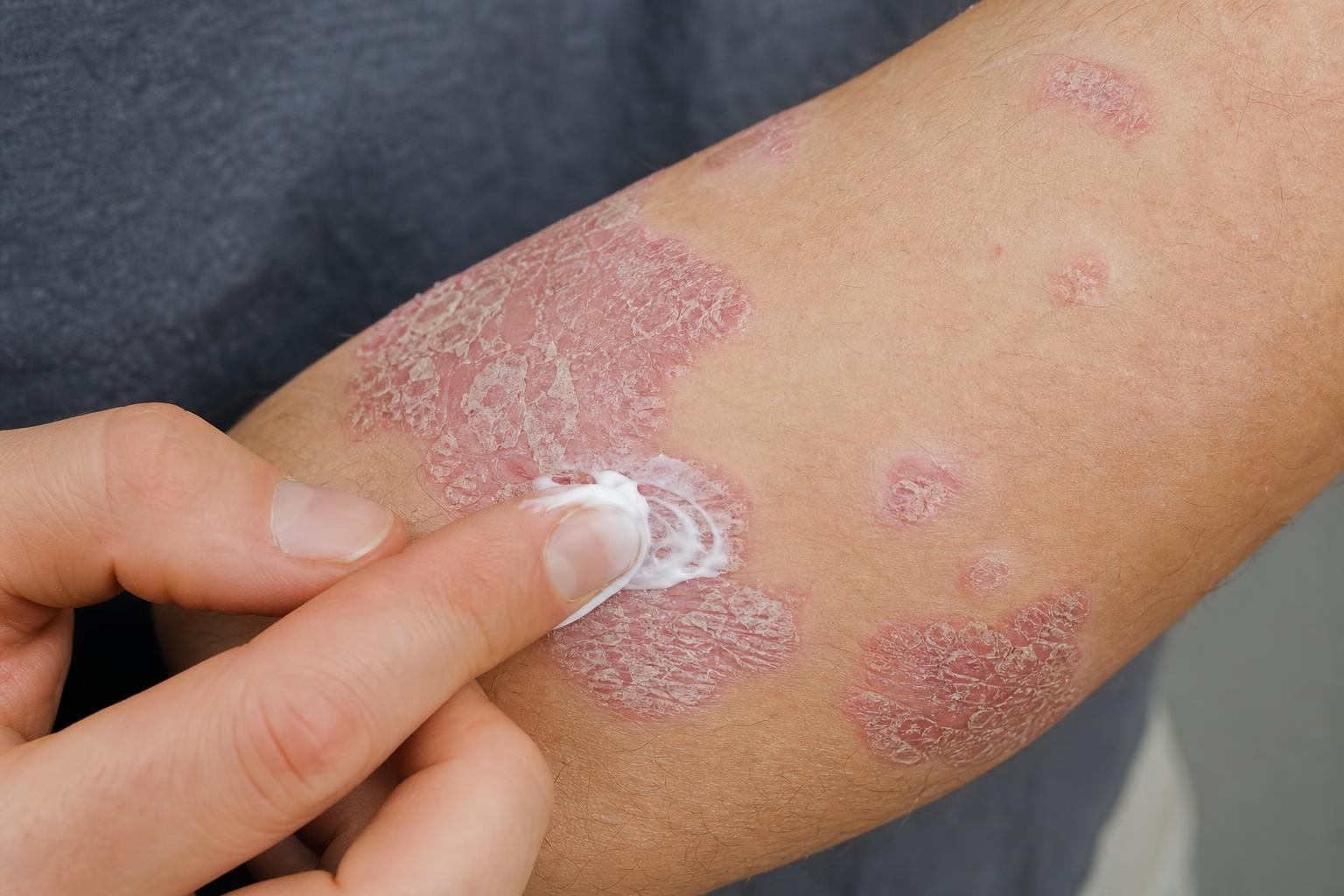
Psoriasis affects 2-3% of the population. Red plaques covered with silvery scales, often on elbows, knees, scalp, lower back. Joint involvement (psoriatic arthritis) occurs in 20-30% of patients.
Solutions according to severity
Mild form: topical corticosteroids, vitamin D analogs (calcipotriol), keratolytics (salicylic acid), daily emollients.
Moderate form: narrow-band UVB phototherapy, 2-3 sessions per week for 8-12 weeks.
Severe form: methotrexate, cyclosporine, acitretin. Biologics have revolutionized management:
- Anti-TNFα: adalimumab, etanercept
- Anti-IL-17: secukinumab, ixekizumab
- Anti-IL-23: guselkumab, risankizumab
These treatments achieve complete clearance in over 70% of patients.
Lifestyle
Smoking cessation, alcohol limitation, weight loss, stress management. Psoriasis is associated with an increased cardiovascular and metabolic risk that should be screened for.
The words explained
Medical terms used above, in everyday language.
- Inflammation
- The body's reaction to injury or irritation: redness, swelling, heat or pain.
- Cardiovascular
- Related to the heart and blood vessels.
- Topical
- A treatment you apply on the skin, like a cream, gel or ointment.
When should you see a doctor?
- Your symptoms last more than a few weeks or keep coming back.
- They get worse quickly, or stop you doing everyday things.
- You notice sudden pain, breathing trouble, fainting or bleeding — seek urgent care.
- You already take medication and want to change anything about it.
This article explains general health information. It does not replace advice from your own doctor.
Frequently asked questions
- What is Psoriasis: Solutions That Change Patients' Lives?
- Creams, phototherapy, biologics: psoriasis now has very effective treatments.
- What are the main symptoms or signs of Psoriasis: Solutions That Change Patients' Lives?
- Common signs vary from person to person. The article above lists the symptoms to watch for, how they progress, and when they need medical attention.
- When should you see a doctor for Psoriasis: Solutions That Change Patients' Lives?
- See a doctor if symptoms last more than a few weeks, get worse quickly, stop you doing everyday things, or if you notice sudden pain, breathing trouble, fainting or bleeding.
Related health topics

Bones, Joints & Muscles
Psoriatic arthritis: when psoriasis attacks joints
Biotherapies anti-TNF, anti-IL-17, anti-IL-23: targeted treatments revolutionize PsA.

Dermatology
Vitiligo: understanding skin depigmentation
Phototherapy, topical JAK inhibitors: novelties against vitiligo.

Conditions
Scleroderma: when the skin and organs harden
Localised versus systemic forms, the early signs, and the treatments that changed the outlook.
Dermatology
Scabies: relentless night-time itching
Where the burrows appear, why the whole household must be treated, and how to stop reinfestation.