
Dry winter skin: a routine that actually repairs the barrier
Shorter showers, cooler water, thicker cream
Dr. Léa Fontaine
Dermatologist
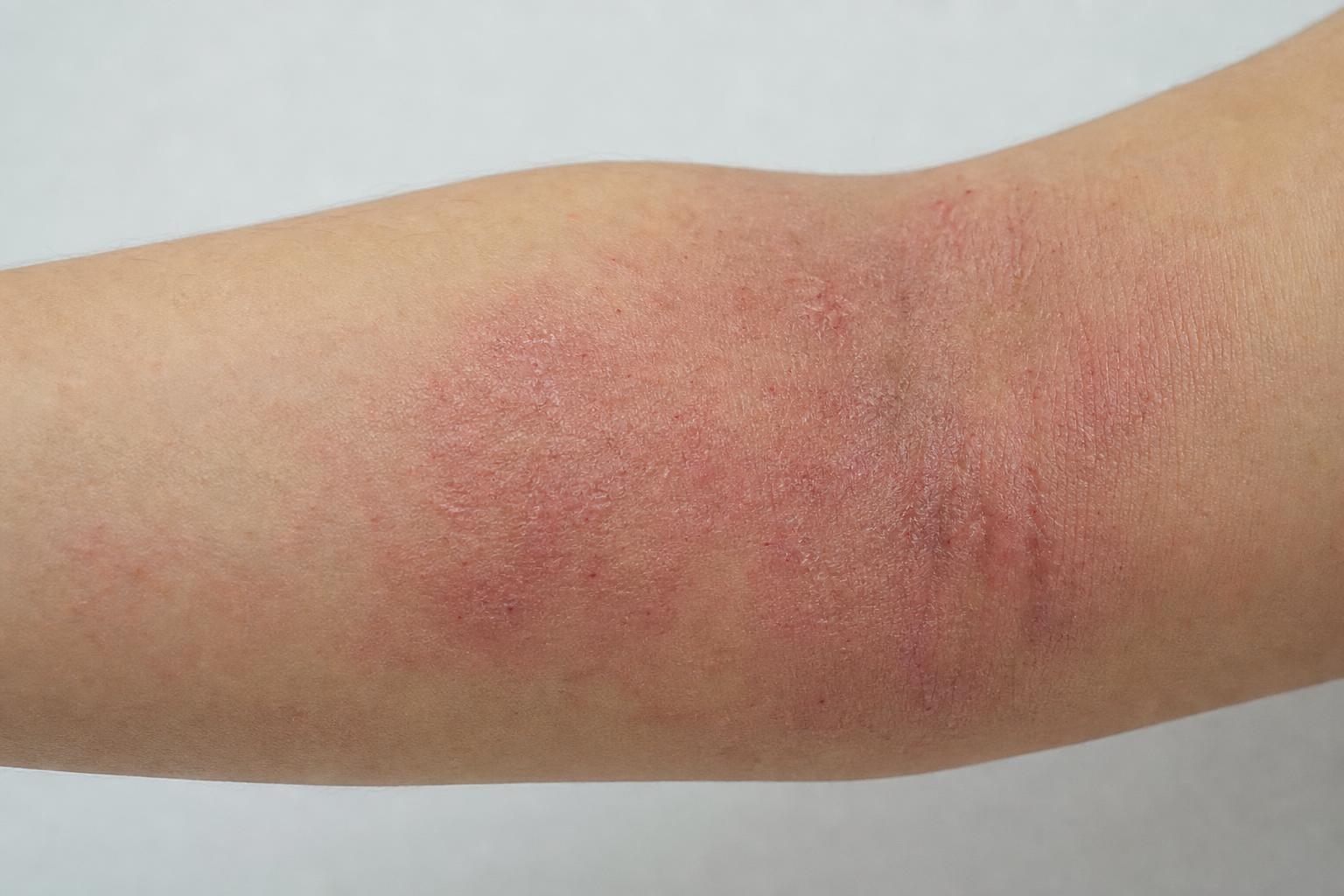
In simple terms
Why moisturising within three minutes of washing makes the biggest difference.
What dries skin out in winter
Cold outdoor air holds little moisture, indoor heating dries it further, and hot showers strip the surface lipids that hold water in. The result is tightness, flaking and itching, especially on shins, forearms and hands.
Washing habits
- Keep showers under 10 minutes and lukewarm rather than hot
- Use a soap-free cleanser; ordinary soap raises skin pH and worsens dryness
- Pat dry rather than rubbing
The three-minute rule
Apply moisturiser within three minutes of leaving the shower, on skin that is still slightly damp. This traps water in the outer layer and is far more effective than the same cream applied on dry skin hours later.
Choosing a product
Look for ingredients that do three jobs: draw water in (glycerin, urea), replace lipids (ceramides), and seal (petrolatum, shea). Thicker ointments work better than light lotions in winter. Fragrance-free reduces irritation.
When it is more than dry skin
Intense itching with red inflamed patches suggests eczema and benefits from a short course of a topical steroid. Persistent itching without a rash, especially at night, should be checked medically.
The words explained
Medical terms used above, in everyday language.
- Topical
- A treatment you apply on the skin, like a cream, gel or ointment.
When should you see a doctor?
- Your symptoms last more than a few weeks or keep coming back.
- They get worse quickly, or stop you doing everyday things.
- You notice sudden pain, breathing trouble, fainting or bleeding — seek urgent care.
- You already take medication and want to change anything about it.
This article explains general health information. It does not replace advice from your own doctor.
Frequently asked questions
- What is Dry winter skin: a routine that actually repairs the barrier?
- Why moisturising within three minutes of washing makes the biggest difference.
- What are the main symptoms or signs of Dry winter skin: a routine that actually repairs the barrier?
- Common signs vary from person to person. The article above lists the symptoms to watch for, how they progress, and when they need medical attention.
- When should you see a doctor for Dry winter skin: a routine that actually repairs the barrier?
- See a doctor if symptoms last more than a few weeks, get worse quickly, stop you doing everyday things, or if you notice sudden pain, breathing trouble, fainting or bleeding.
Related health topics
Dermatology
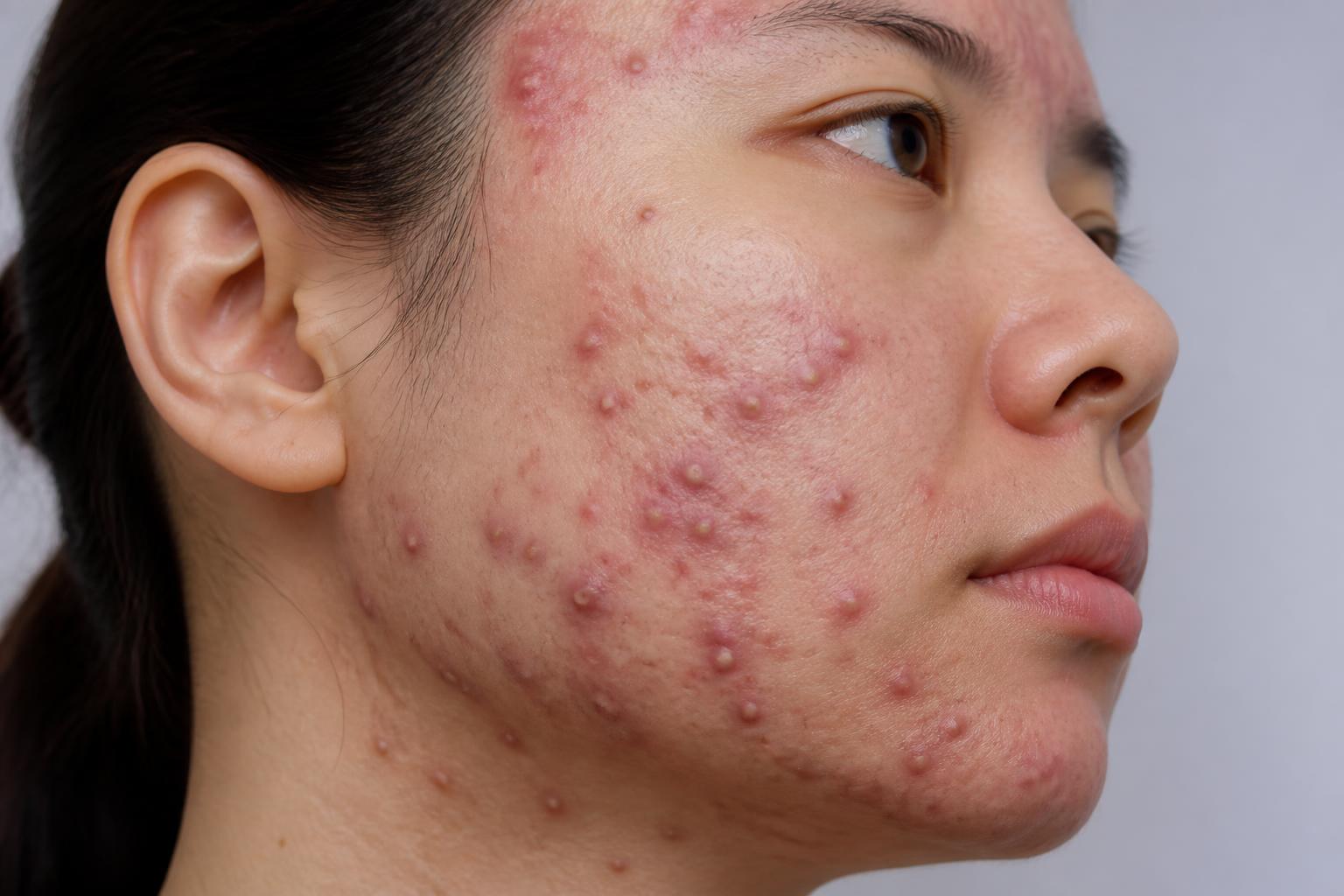
Adult Acne: Why It Persists and How to Treat It
Hormones, stress, diet: factors that perpetuate acne after 25 and validated dermatological approaches.
Dermatology
Atopic Eczema: Strategies to Soothe Flare-ups
Understand the mechanism of atopic dermatitis and adopt a skincare routine that reduces the frequency and intensity of flare-ups.
Dermatology
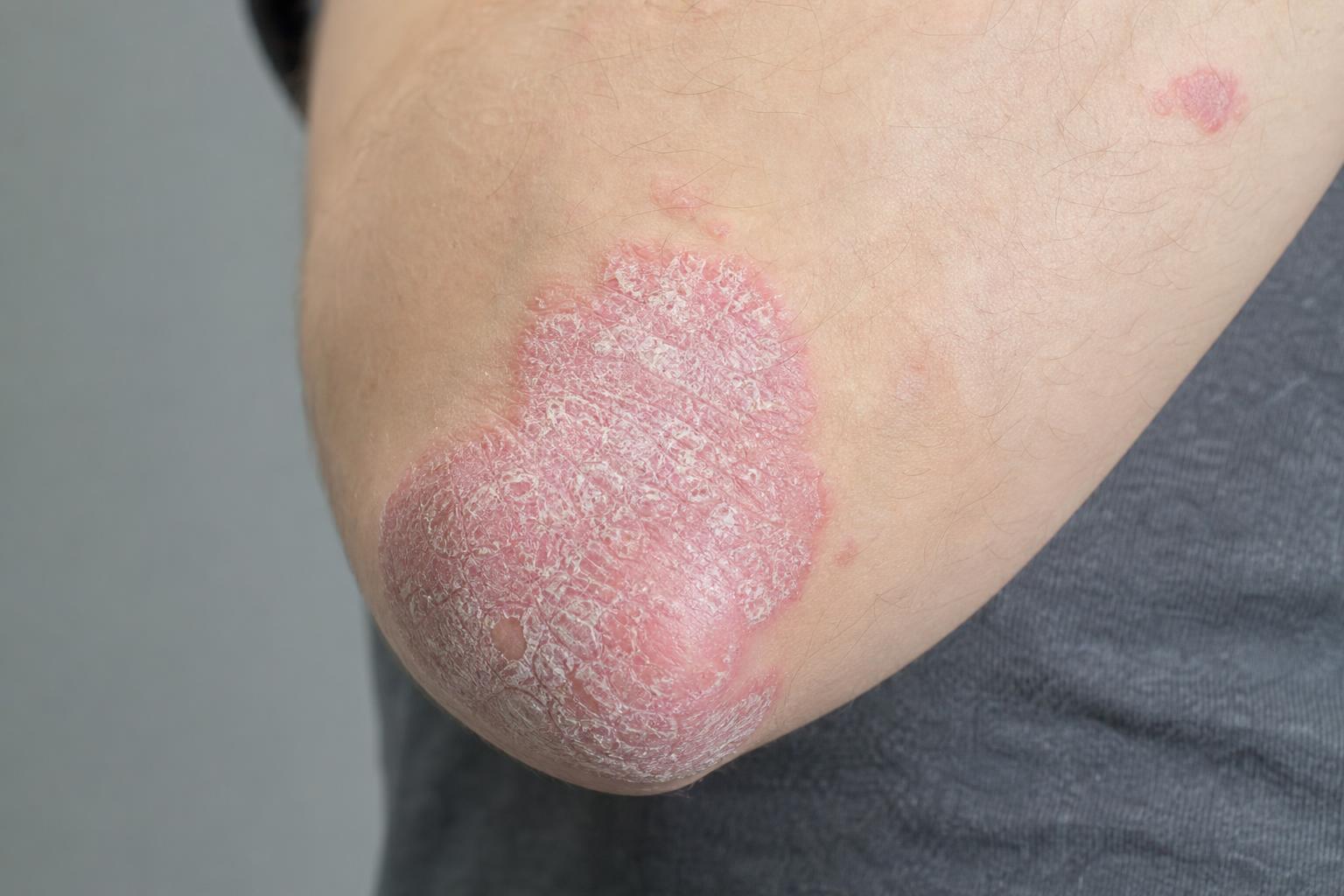
Psoriasis: Much More Than a Skin Problem
Psoriasis is a chronic autoimmune disease. Understanding its mechanisms helps to live better with it and choose the right treatments.

Dermatology
Sunscreen: Separating Fact from Fiction
The sun is essential but dangerous in excess. An overview of evidence-based dermatological recommendations.
Dermatology
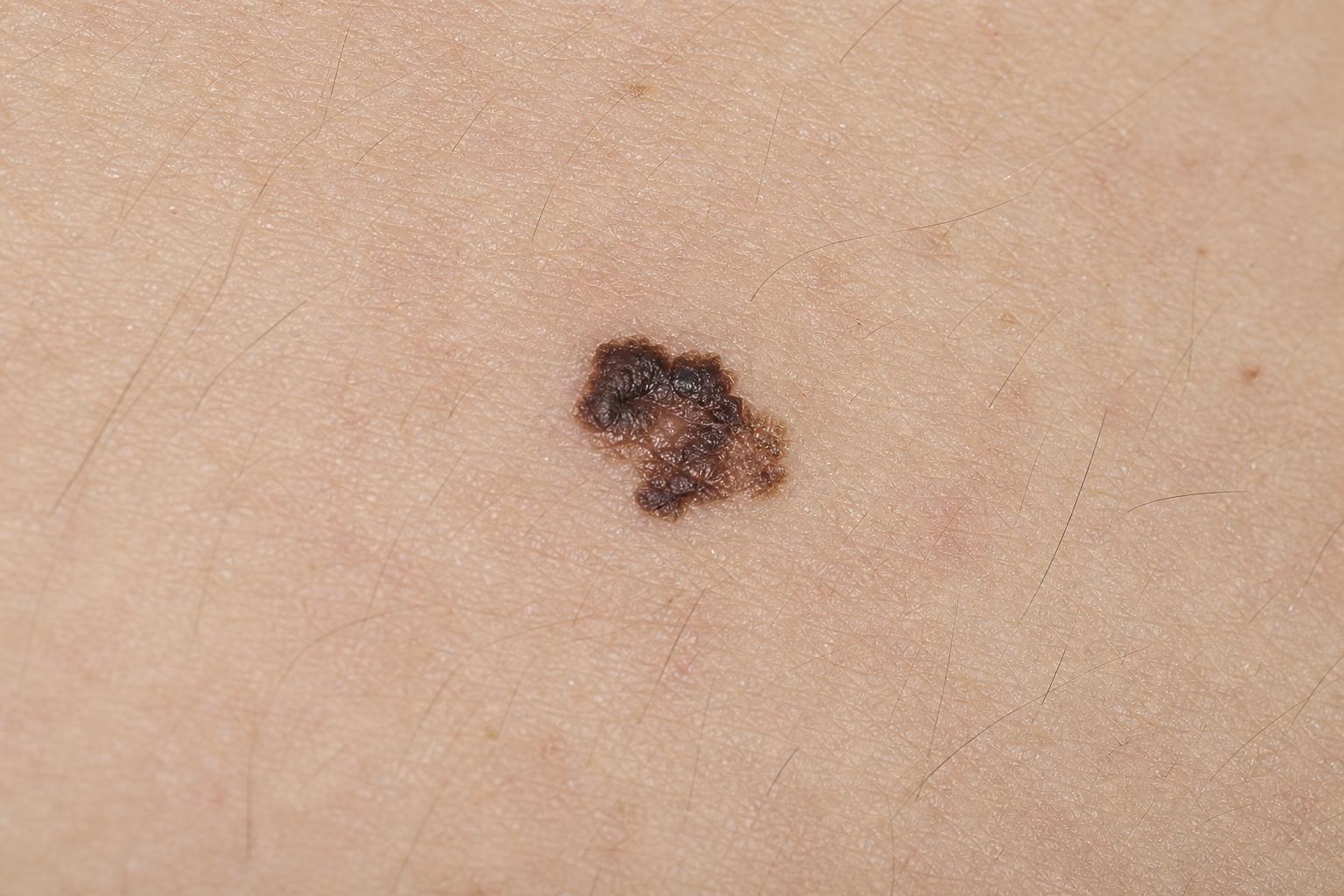
Melanoma: Warning Signs to Know
The ABCDE rule helps identify suspicious moles. Melanoma detected early has a survival rate of over 95%.
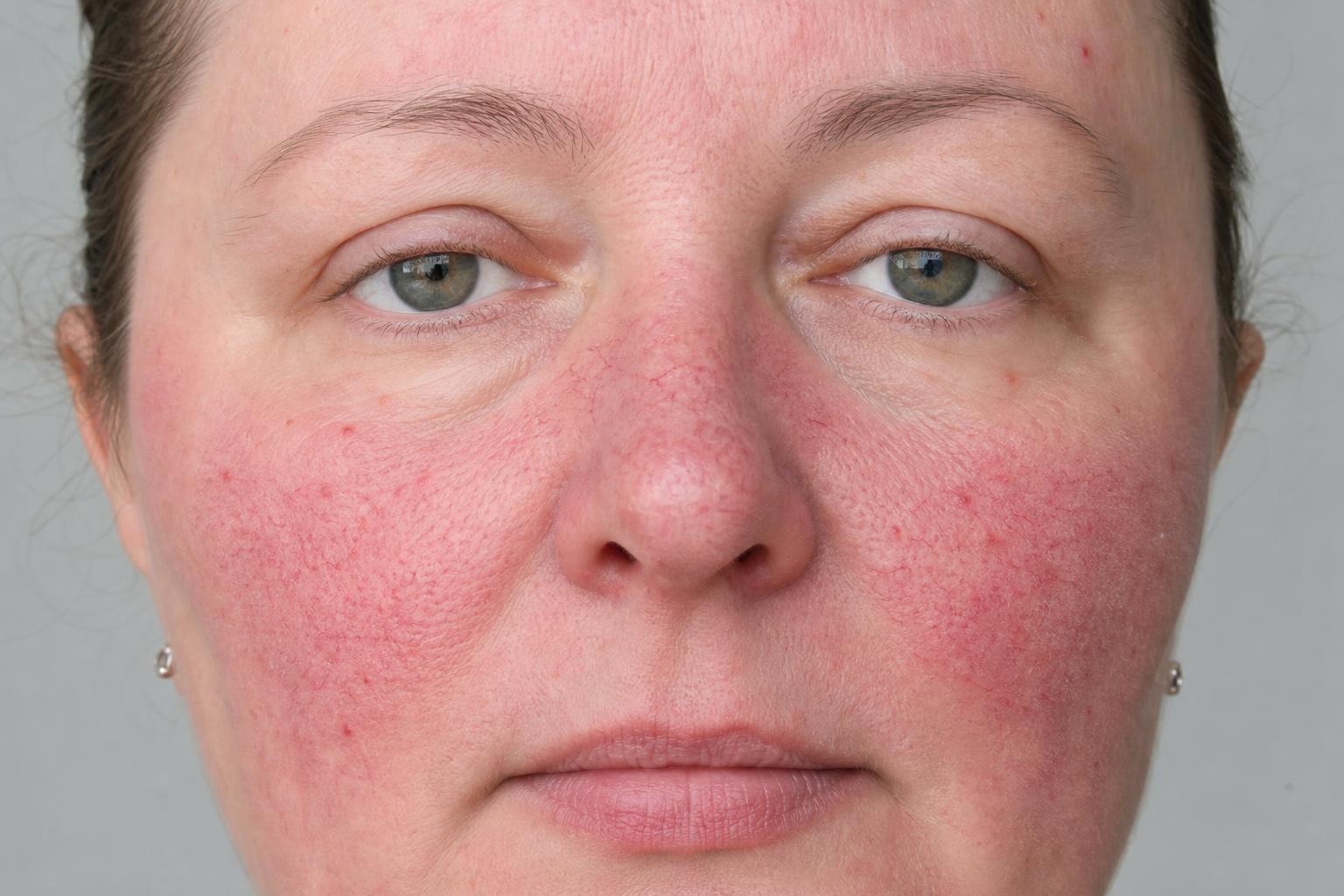
Dermatology
Rosacea: Understanding and Treating Facial Redness
Rosacea affects 5% of adults. Identifying its triggers and suitable treatments can help achieve a soothed complexion.