
Whooping cough: the hundred-day cough
Dangerous for babies, exhausting for adults
Dr. Yanis Kaddour
Infectious disease specialist
In simple terms
Why the cough comes in fits, how adults spread it unknowingly, and the vaccination that protects newborns.
What it is, in plain words
Whooping cough is a bacterial infection of the airway lining by Bordetella pertussis. The bacteria paralyse the tiny hairs that clear mucus, so it accumulates and can only be shifted by violent bursts of coughing. The whoop is the sound of air rushing back in after such a burst.
Signs to look out for
- One to two weeks of an ordinary-looking cold
- Then paroxysms: long runs of coughing without breathing in, ending in a whoop or vomiting
- Cough far worse at night, often with a normal examination between fits
- In babies under six months: pauses in breathing, blue episodes and poor feeding, often with no whoop at all
- A dry cough lingering for weeks to months as it slowly resolves
Why it happens
Immunity from vaccination or infection fades after several years, so adolescents and adults become the reservoir and infect infants who are too young to be fully vaccinated.
How doctors confirm it
PCR on a nasopharyngeal swab is the test of choice in the first three weeks; serology helps later. Blood count may show a high lymphocyte count in infants.
Treatments and solutions
- Macrolide antibiotics, which shorten contagiousness and help if started in the first three weeks, though they do little for a cough already established
- Preventive antibiotics for close contacts, particularly households with infants or pregnant women
- Hospital admission for infants under six months, for monitoring of breathing and feeding
- Small frequent feeds, upright positioning and calm environment to reduce paroxysms
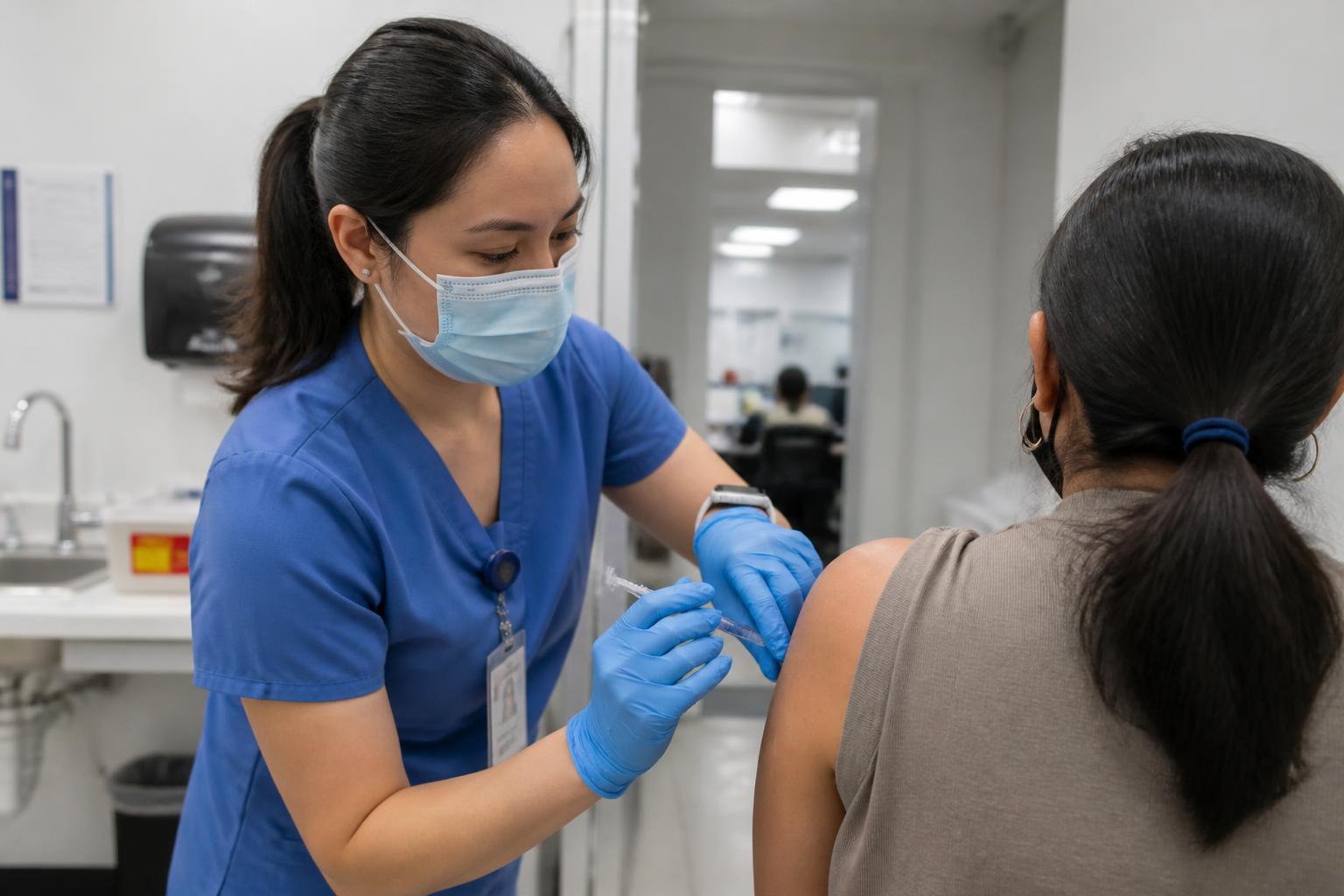
- Vaccination: the childhood schedule, adolescent boosters, and a dose in every pregnancy between 20 and 32 weeks, which protects the newborn through the placenta
Living with it day to day
Cough medicines, steroids and bronchodilators do not work here. Time and protection of the vulnerable are what matter.
When to seek medical help
Go to hospital for any infant with pauses in breathing, blue colour, poor feeding, or a cough with vomiting and exhaustion.
This article explains general health information in simple language. It does not replace advice from your own doctor.
The words explained
Medical terms used above, in everyday language.
- Immune system
- Your body's defence team: cells that fight germs and repair damage.
- Antibiotic
- A medicine that kills bacteria. It does not work against viruses like colds or flu.
- Prevention
- Steps taken before a problem starts, to make it less likely.
- Vaccine
- A safe training session for your immune system, so it can fight a germ later.
When should you see a doctor?
- Your symptoms last more than a few weeks or keep coming back.
- They get worse quickly, or stop you doing everyday things.
- You notice sudden pain, breathing trouble, fainting or bleeding — seek urgent care.
- You already take medication and want to change anything about it.
This article explains general health information. It does not replace advice from your own doctor.
Frequently asked questions
- What is Whooping cough: the hundred-day cough?
- Why the cough comes in fits, how adults spread it unknowingly, and the vaccination that protects newborns.
- What are the main symptoms or signs of Whooping cough: the hundred-day cough?
- Common signs vary from person to person. The article above lists the symptoms to watch for, how they progress, and when they need medical attention.
- When should you see a doctor for Whooping cough: the hundred-day cough?
- See a doctor if symptoms last more than a few weeks, get worse quickly, stop you doing everyday things, or if you notice sudden pain, breathing trouble, fainting or bleeding.
Related health topics
Infectious Diseases
Seasonal Flu: Symptoms, Complications, and Prevention
Sudden fever, body aches, intense fatigue: seasonal flu is not a simple cold. Discover how to protect yourself effectively.
Infectious Diseases
Hepatitis B: A Silent Infection Affecting 296 Million People
Chronic hepatitis B often progresses without symptoms for years before revealing serious liver damage. Screening is crucial.
Infectious Diseases
Measles: far more than a childhood rash
The four stages of the illness, the complications people forget, and why vaccination coverage matters.

Infectious Diseases
Meningitis: the signs that must never be ignored
How viral and bacterial meningitis differ, the tests that decide, and the prevention available.
Kids & Family Health
Childhood Vaccination Explained Simply
A clear guide to how vaccines work in young children, common side effects, and what to do if a dose is late.