Childhood Vaccination Explained Simply
Which protections, at what age, and why the timing matters
Healthlife Editorial Team
Medical writers
In simple terms
A clear guide to how vaccines work in young children, common side effects, and what to do if a dose is late.
How a vaccine works
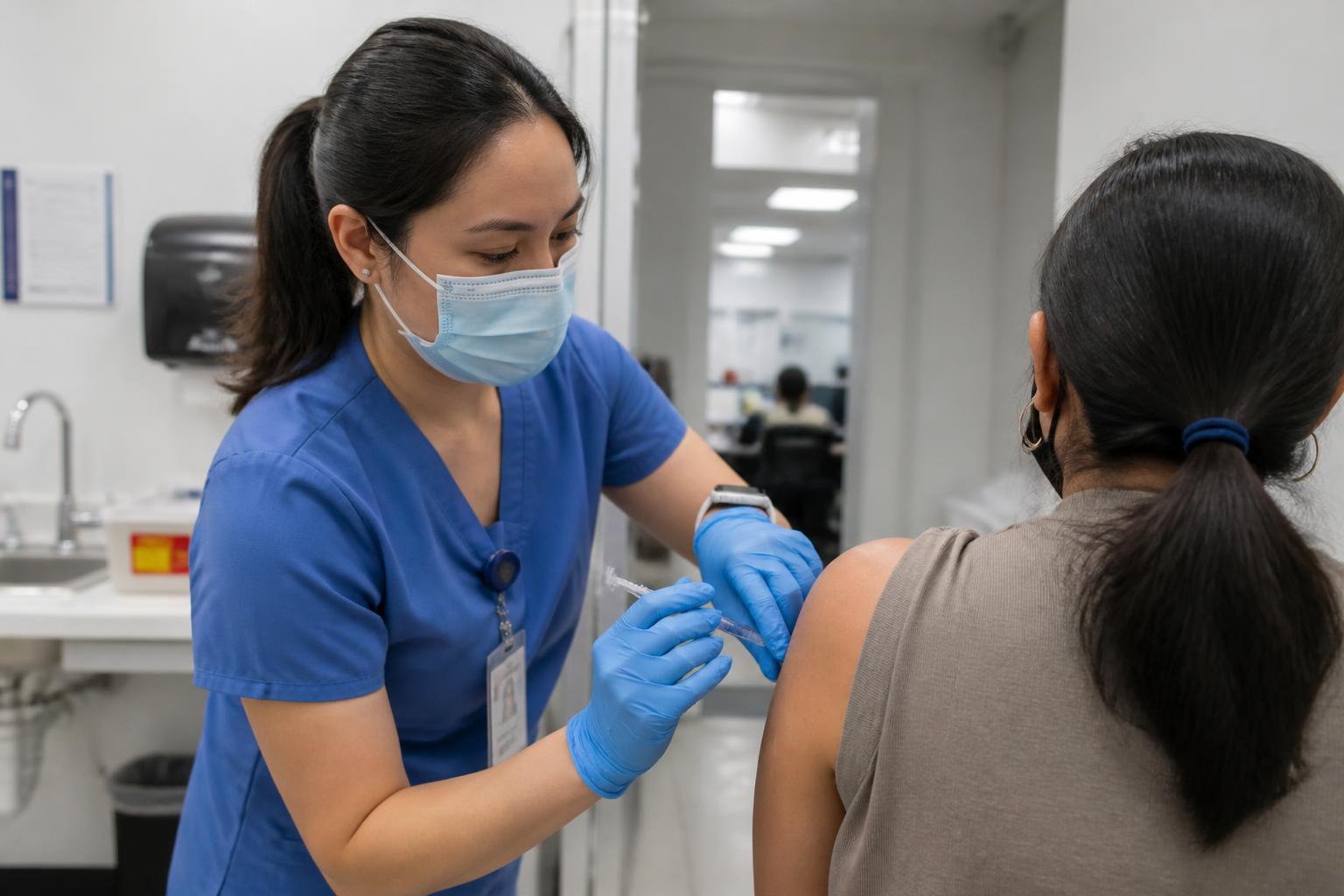
A vaccine shows the immune system a harmless copy of a germ. The body learns to recognise it and keeps that memory, so a real infection is met with a fast defence instead of a slow one.
Why the schedule is spread out
Doses are timed to match how a baby's immune system matures and when the risk of each disease is highest. Boosters exist because protection from a first dose fades; the reminder locks it in for years.
Normal reactions
- A sore, red or slightly swollen arm or thigh for a day or two
- Mild fever, sleepiness or irritability for 24 to 48 hours
- Comfort, fluids and paracetamol if needed are usually enough
If a dose was missed
The schedule can almost always be caught up without starting again. Ask your doctor for a catch-up plan rather than skipping the dose.
When to seek advice
- A high fever lasting more than 48 hours after a vaccine
- A widespread rash, swelling of the face or difficulty breathing (immediate emergency)
- Your child has a weakened immune system, so timing may need adapting
This article explains general health information in simple language. It does not replace advice from your own doctor.
The words explained
Medical terms used above, in everyday language.
- Immune system
- Your body's defence team: cells that fight germs and repair damage.
- Vaccine
- A safe training session for your immune system, so it can fight a germ later.
When should you see a doctor?
- Your symptoms last more than a few weeks or keep coming back.
- They get worse quickly, or stop you doing everyday things.
- You notice sudden pain, breathing trouble, fainting or bleeding — seek urgent care.
- You already take medication and want to change anything about it.
This article explains general health information. It does not replace advice from your own doctor.
Frequently asked questions
- What is Childhood Vaccination Explained Simply?
- A clear guide to how vaccines work in young children, common side effects, and what to do if a dose is late.
- What are the main symptoms or signs of Childhood Vaccination Explained Simply?
- Common signs vary from person to person. The article above lists the symptoms to watch for, how they progress, and when they need medical attention.
- When should you see a doctor for Childhood Vaccination Explained Simply?
- See a doctor if symptoms last more than a few weeks, get worse quickly, stop you doing everyday things, or if you notice sudden pain, breathing trouble, fainting or bleeding.
Related health topics
Infectious Diseases
Seasonal Flu: Symptoms, Complications, and Prevention
Sudden fever, body aches, intense fatigue: seasonal flu is not a simple cold. Discover how to protect yourself effectively.
Infectious Diseases
Measles: far more than a childhood rash
The four stages of the illness, the complications people forget, and why vaccination coverage matters.
Infectious Diseases
Hepatitis B: A Silent Infection Affecting 296 Million People
Chronic hepatitis B often progresses without symptoms for years before revealing serious liver damage. Screening is crucial.

Infectious Diseases
Urinary Tract Infections: Why They Recur and How to Prevent Them
Burning during urination, frequent urges, pelvic pain: urinary tract infections primarily affect women. Here's how to understand and prevent them.

Infectious Diseases
STIs: Regular Screening, Your Best Protection
Chlamydia, gonorrhea, syphilis, HIV: sexually transmitted infections are on the rise. Regular screening is the key to a healthy sex life.
Neurology
Alzheimer's Disease: Recognizing Early Signs and Acting Soon
Recent memory loss, disorientation, language difficulties: the first signs of Alzheimer's are often confused with normal aging.