Epilepsy: Living With the Disorder
Modern treatments allow most patients to live normally.
Dr. Laurent Vidal
Neurologist
In simple terms
About 1% of the population has epilepsy. Two thirds achieve seizure freedom with appropriate medication.
What you need to remember
- Diagnosis — EEG and brain MRI form the standard workup.
- Treatment — Levetiracetam, lamotrigine, valproate: first-line for many syndromes
- Daily precautions — Regular sleep, avoiding alcohol excess, and consistent medication intake reduce seizures.
Generalized tonic-clonic seizures are the most known, but focal seizures (brief sensory or motor symptoms, déjà-vu, automatisms) are far more common and often underdiagnosed.
Diagnosis
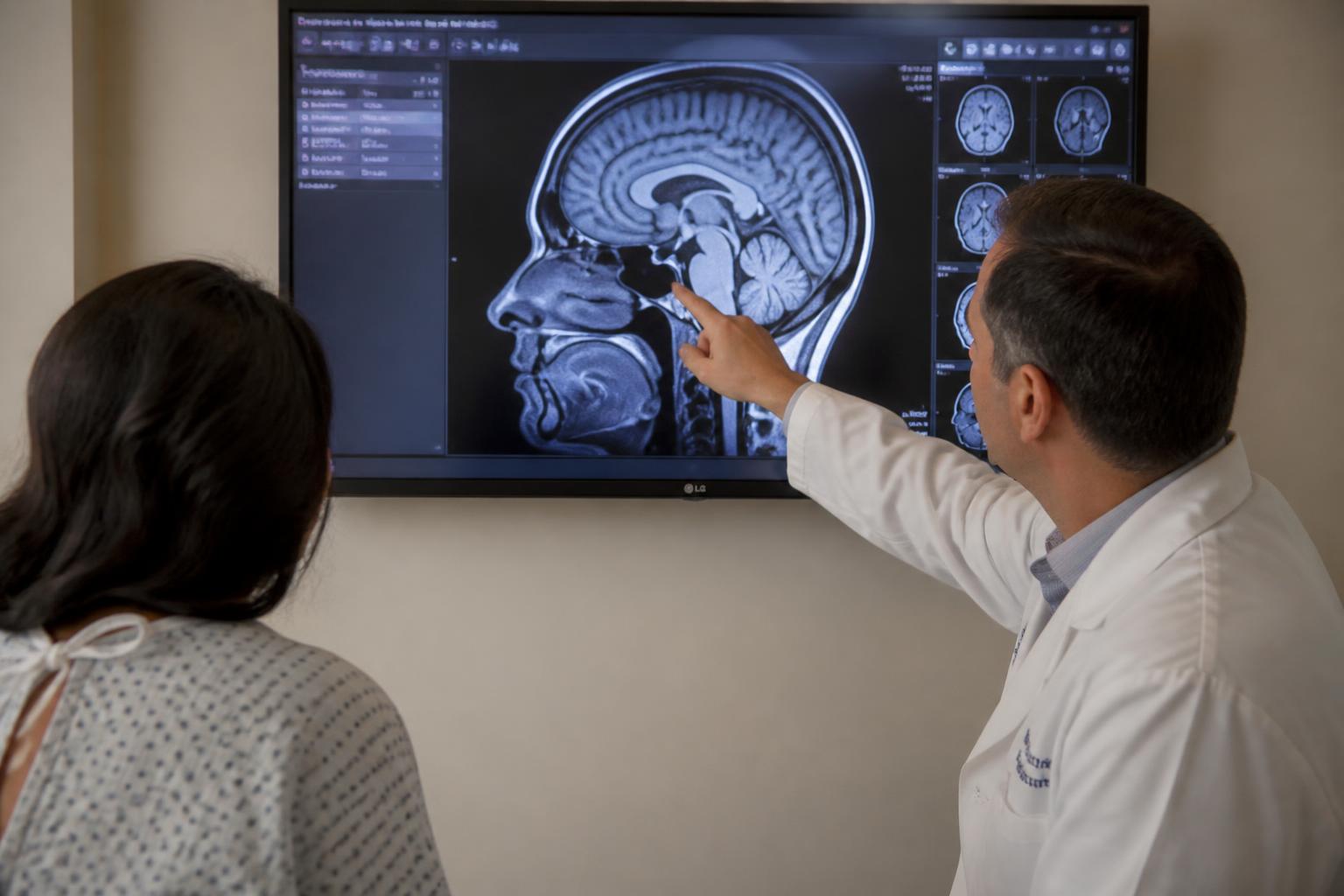
EEG and brain MRI form the standard workup. A first unprovoked seizure does not always warrant treatment; epilepsy is defined by recurrence or high recurrence risk.
Treatment
- Levetiracetam, lamotrigine, valproate: first-line for many syndromes
- Surgery for drug-resistant focal epilepsy
- Vagal nerve stimulation, ketogenic diet in selected cases
Daily precautions
Regular sleep, avoiding alcohol excess, and consistent medication intake reduce seizures. Driving regulations vary by country and require a documented seizure-free interval.
Witnessing a seizure: protect the head, time the episode, do not put anything in the mouth.
The words explained
Medical terms used above, in everyday language.
- Symptom
- A sign you can feel or see that something is wrong, like pain, tiredness or a rash.
- Diagnosis
- The moment a doctor identifies which illness is causing your symptoms.
When should you see a doctor?
- Your symptoms last more than a few weeks or keep coming back.
- They get worse quickly, or stop you doing everyday things.
- You notice sudden pain, breathing trouble, fainting or bleeding — seek urgent care.
- You already take medication and want to change anything about it.
This article explains general health information. It does not replace advice from your own doctor.
Frequently asked questions
- What is Epilepsy: Living With the Disorder?
- About 1% of the population has epilepsy. Two thirds achieve seizure freedom with appropriate medication.
- What are the main symptoms or signs of Epilepsy: Living With the Disorder?
- Common signs vary from person to person. The article above lists the symptoms to watch for, how they progress, and when they need medical attention.
- When should you see a doctor for Epilepsy: Living With the Disorder?
- See a doctor if symptoms last more than a few weeks, get worse quickly, stop you doing everyday things, or if you notice sudden pain, breathing trouble, fainting or bleeding.
Related health topics

Conditions
Migraine: Much More Than Just a Headache
Migraine affects 12% of the adult population and remains the leading cause of disability among 15-49 year olds.
Neurology
Migraine: Understanding and Managing Attacks
Migraines affect about 12% of adults. Identifying triggers and using the right treatment shortens crises.
Neurology
Multiple Sclerosis: A Disease of the Young Adult
MS commonly starts between 20 and 40. Modern disease-modifying therapies have transformed the prognosis.