
HIV: from lifelong treatment to PrEP prevention
Undetectable viral load = untransmissible
Dr. Sophie Martin
Infectiologist
In simple terms
Triple therapies, long-acting injections, PrEP: what's the fight against HIV like in 2026?
A chronic controllable infection
HIV attacks the immune system (CD4 lymphocytes). Without treatment, it evolves to AIDS in a few years. With treatment, life expectancy is now almost normal.
Screening
Rapid tests, self-tests, laboratory serology. Test recommended at least once in a lifetime, more regularly in case of exposures.
Treatment
Oral triple therapies in a single pill/day (bictegravir/emtricitabine/tenofovir). Now also long-acting injections (cabotegravir/rilpivirine) every 2 months. Goal: undetectable viral load, which makes the virus untransmissible (U=U).
Prevention: PrEP
Pre-exposure prophylaxis (tenofovir/emtricitabine, or injectable cabotegravir) prevents infection in exposed individuals. Now also lenacapavir as a bi-annual injection (spectacular results in 2024). Condoms remain essential for other STIs.
The words explained
Medical terms used above, in everyday language.
- Chronic
- A problem that lasts a long time, usually more than three months, and often comes back.
- Immune system
- Your body's defence team: cells that fight germs and repair damage.
- Prevention
- Steps taken before a problem starts, to make it less likely.
- Screening
- A check-up done before you feel ill, to catch a problem early.
When should you see a doctor?
- Your symptoms last more than a few weeks or keep coming back.
- They get worse quickly, or stop you doing everyday things.
- You notice sudden pain, breathing trouble, fainting or bleeding — seek urgent care.
- You already take medication and want to change anything about it.
This article explains general health information. It does not replace advice from your own doctor.
Frequently asked questions
- What is HIV: from lifelong treatment to PrEP prevention?
- Triple therapies, long-acting injections, PrEP: what's the fight against HIV like in 2026?
- What are the main symptoms or signs of HIV: from lifelong treatment to PrEP prevention?
- Common signs vary from person to person. The article above lists the symptoms to watch for, how they progress, and when they need medical attention.
- When should you see a doctor for HIV: from lifelong treatment to PrEP prevention?
- See a doctor if symptoms last more than a few weeks, get worse quickly, stop you doing everyday things, or if you notice sudden pain, breathing trouble, fainting or bleeding.
Related health topics

Infectious Diseases
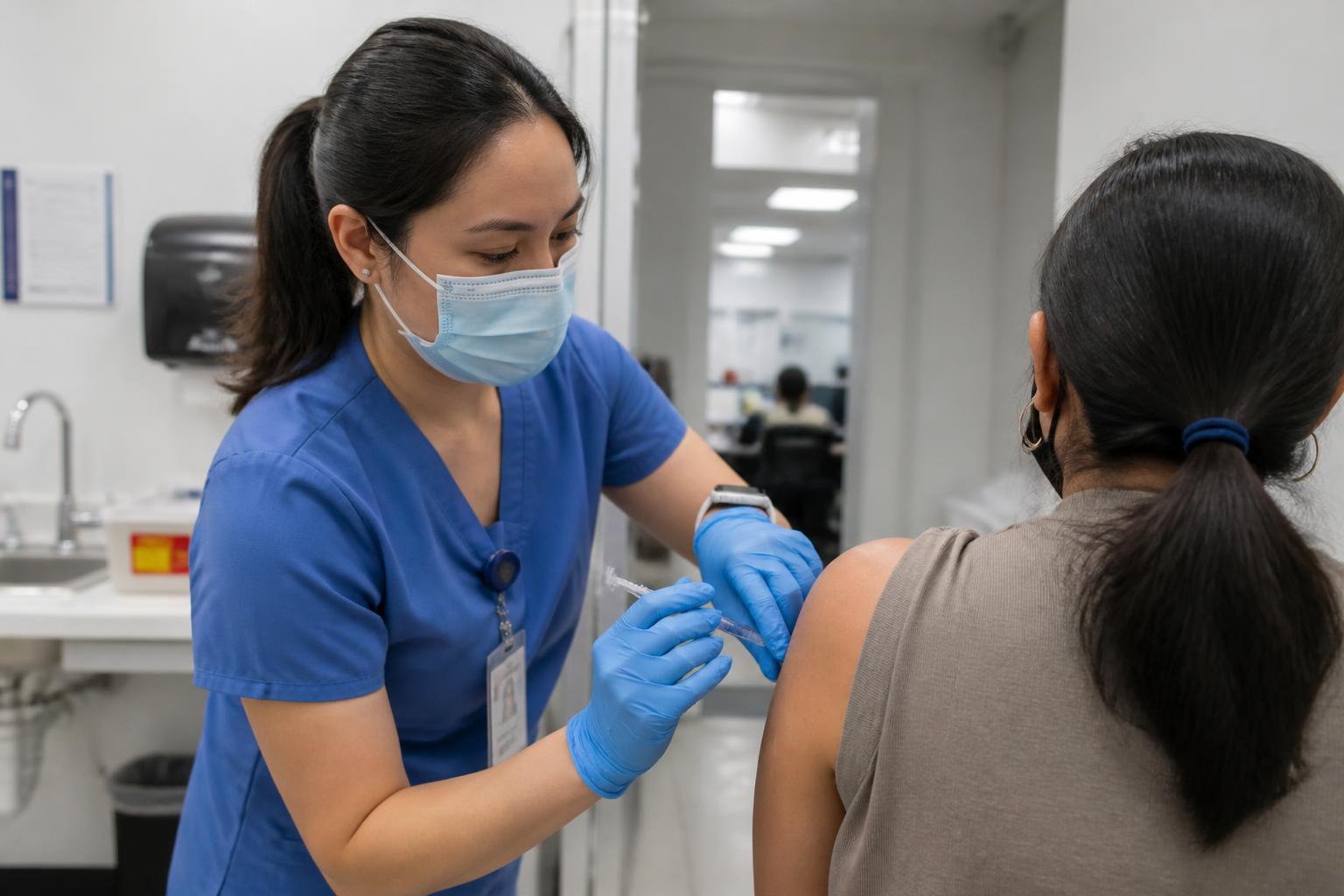
HIV: From Fatal Infection to Chronic Disease
Modern antiretroviral therapy allows near-normal life expectancy and prevents transmission.
Infectious Diseases
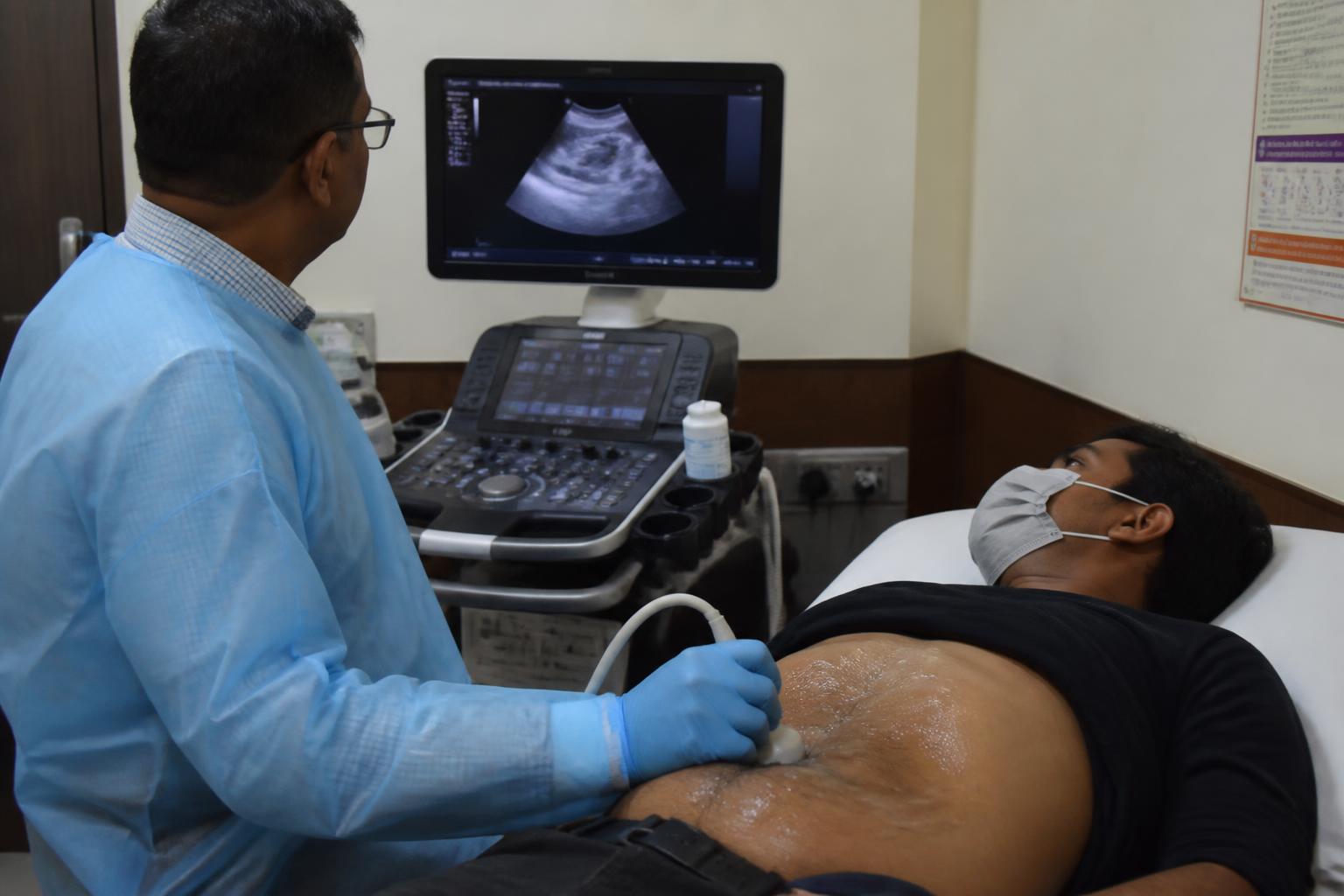
Hepatitis B: A Manageable Chronic Infection
Around 250 million people live with chronic hepatitis B. Modern antivirals suppress the virus indefinitely.
Infectious Diseases
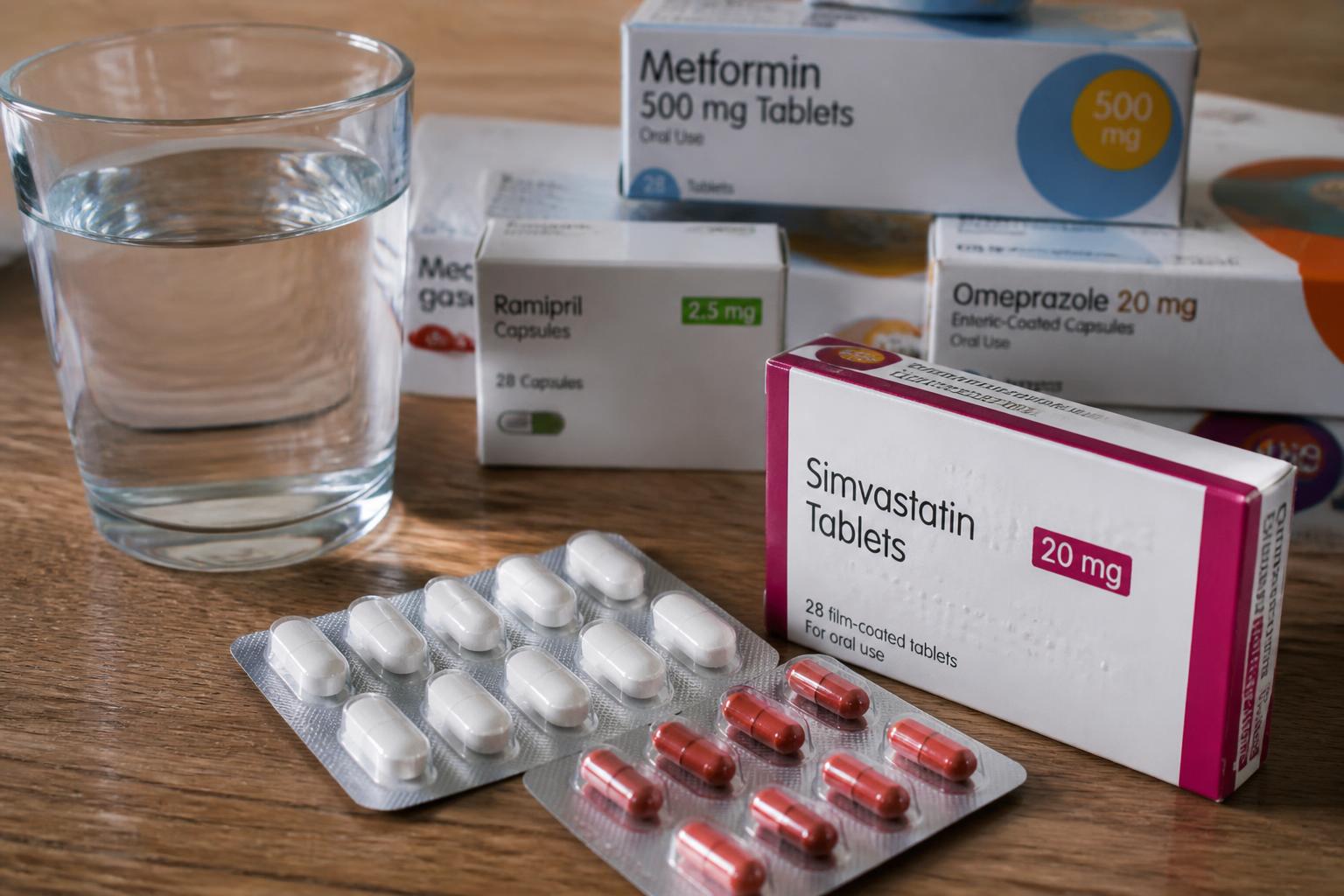
Hepatitis C: A Curable Disease Today
Hepatitis C used to mean lifelong chronic liver disease. Modern 8-12 week regimens cure nearly all infections.
Infectious Diseases
Recurrent Urinary Tract Infections in Women
Half of women experience at least one UTI; 25% develop recurrences. Several non-antibiotic measures reduce recurrence.
Infectious Diseases
Seasonal Influenza: More Than a Bad Cold
Influenza causes 3-5 million severe cases globally each year and remains underestimated by the public.

Infectious Diseases
Long COVID: A Recognised Multisystem Syndrome
Long COVID affects an estimated 10-20% of infected adults. Symptoms vary widely and management is supportive.