
Sunscreen: how to use it so it actually works
Most people apply a third of what they should
Dr. Léa Fontaine
Dermatologist
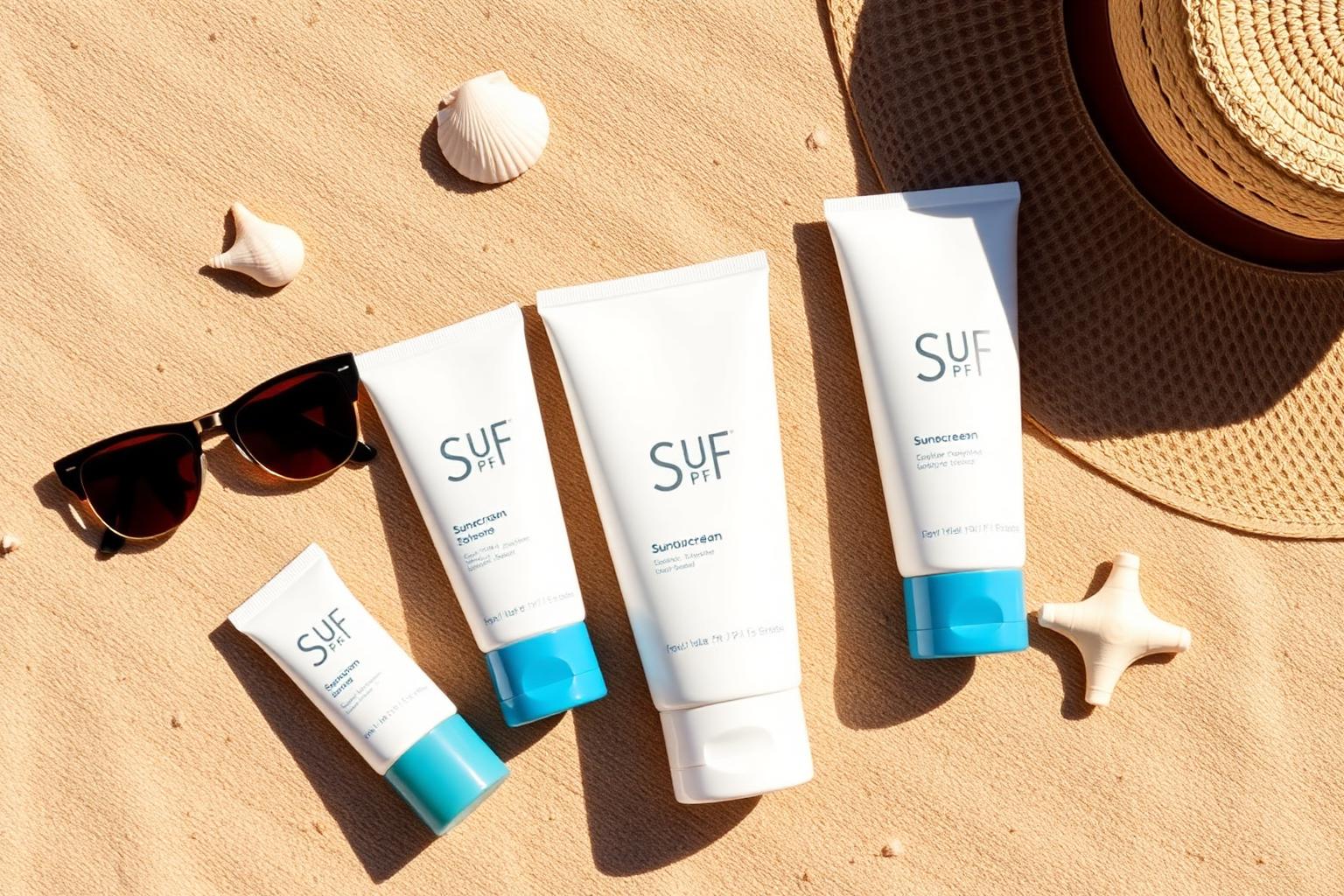
In simple terms
Quantity, reapplication and shade beat the SPF number on the bottle.
The SPF number is measured with a thick layer
Laboratory testing uses about 2 mg of product per square centimetre of skin. In real life most people apply roughly a third of that, so an SPF 50 behaves more like an SPF 15. Applying more matters more than buying a higher number.
How much to use
About a teaspoon for the face and neck, and roughly a shot-glass amount for the whole body in swimwear. Reapply every two hours outdoors, and after swimming, heavy sweating or towelling.
What sunscreen does and does not do
It reduces sunburn, photoageing and the risk of skin cancers. It does not make unlimited sun exposure safe, and it should be combined with shade in the middle of the day, a hat, and clothing, which are more reliable than any cream.
Vitamin D concerns
Regular sunscreen use has not been shown to cause vitamin D deficiency in real-world studies. If levels are low, supplement rather than choosing to burn.
Check your skin
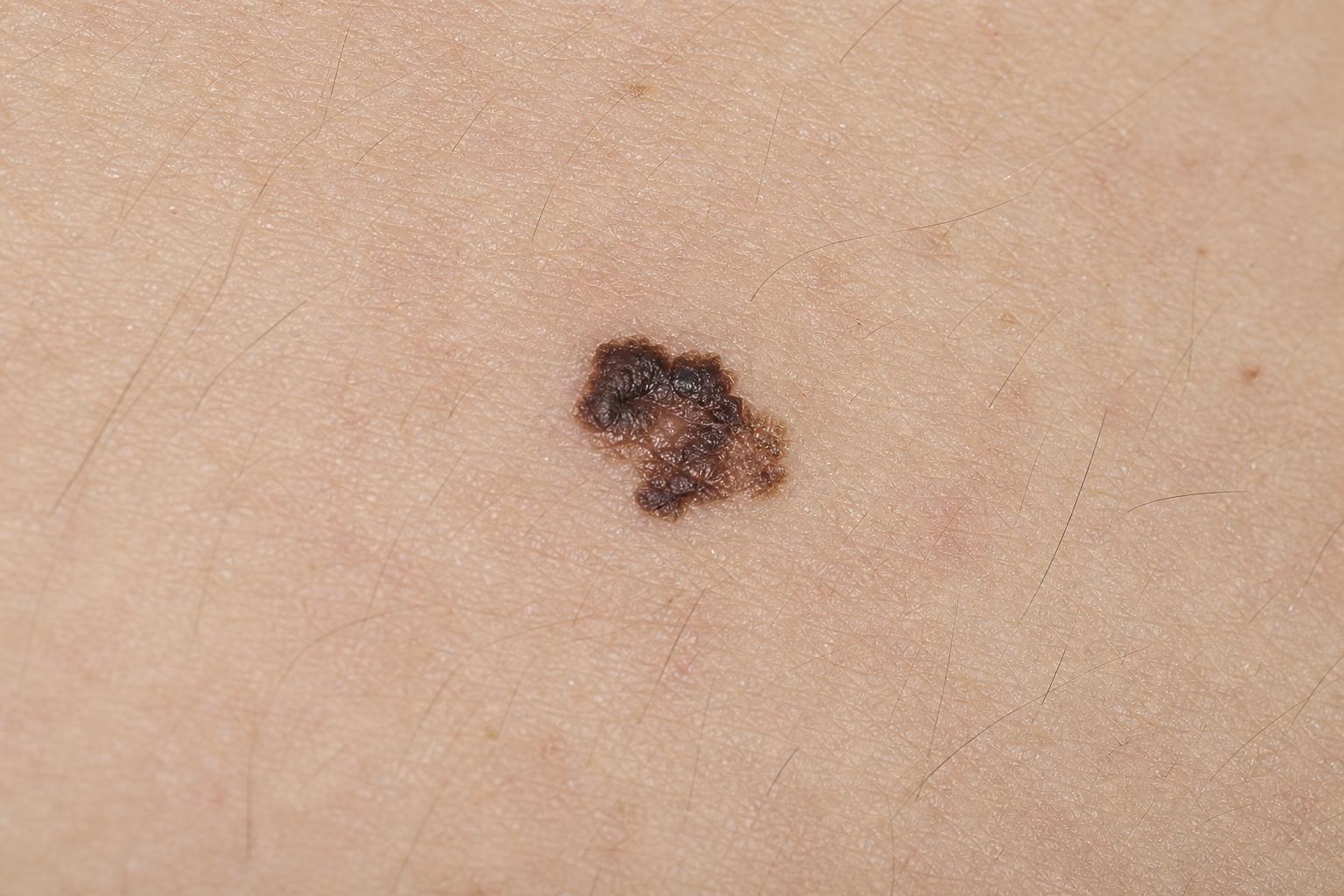
Once a month, look for a mole that changes shape, colour, size, or that itches or bleeds. Anything new and evolving after age 40 deserves a dermatology opinion.
When should you see a doctor?
- Your symptoms last more than a few weeks or keep coming back.
- They get worse quickly, or stop you doing everyday things.
- You notice sudden pain, breathing trouble, fainting or bleeding — seek urgent care.
- You already take medication and want to change anything about it.
This article explains general health information. It does not replace advice from your own doctor.
Frequently asked questions
- What is Sunscreen: how to use it so it actually works?
- Quantity, reapplication and shade beat the SPF number on the bottle.
- What are the main symptoms or signs of Sunscreen: how to use it so it actually works?
- Common signs vary from person to person. The article above lists the symptoms to watch for, how they progress, and when they need medical attention.
- When should you see a doctor for Sunscreen: how to use it so it actually works?
- See a doctor if symptoms last more than a few weeks, get worse quickly, stop you doing everyday things, or if you notice sudden pain, breathing trouble, fainting or bleeding.
Related health topics
Dermatology
Sunscreen: Separating Fact from Fiction
The sun is essential but dangerous in excess. An overview of evidence-based dermatological recommendations.
Dermatology
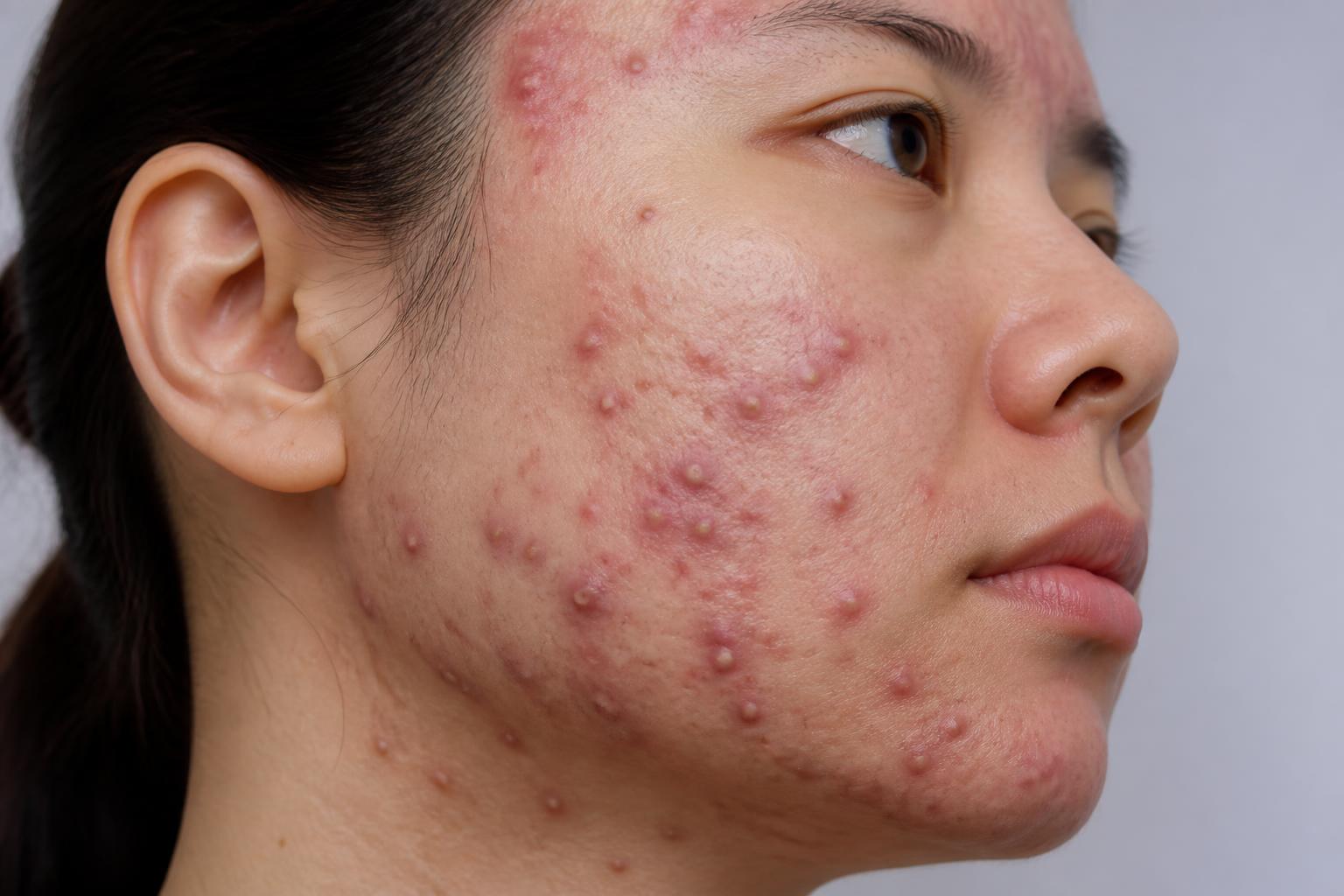
Adult Acne: Why It Persists and How to Treat It
Hormones, stress, diet: factors that perpetuate acne after 25 and validated dermatological approaches.
Dermatology
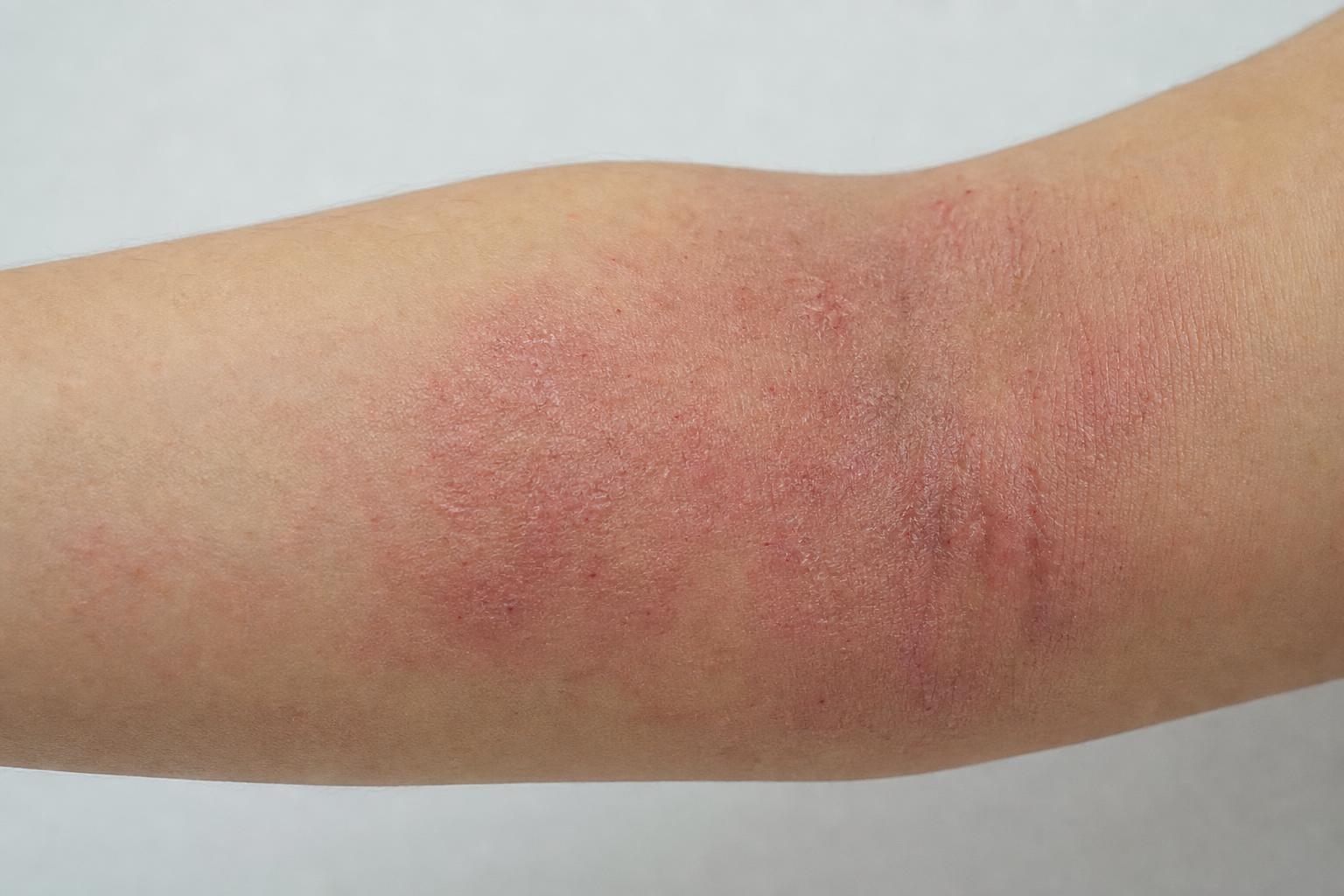
Atopic Eczema: Strategies to Soothe Flare-ups
Understand the mechanism of atopic dermatitis and adopt a skincare routine that reduces the frequency and intensity of flare-ups.
Dermatology
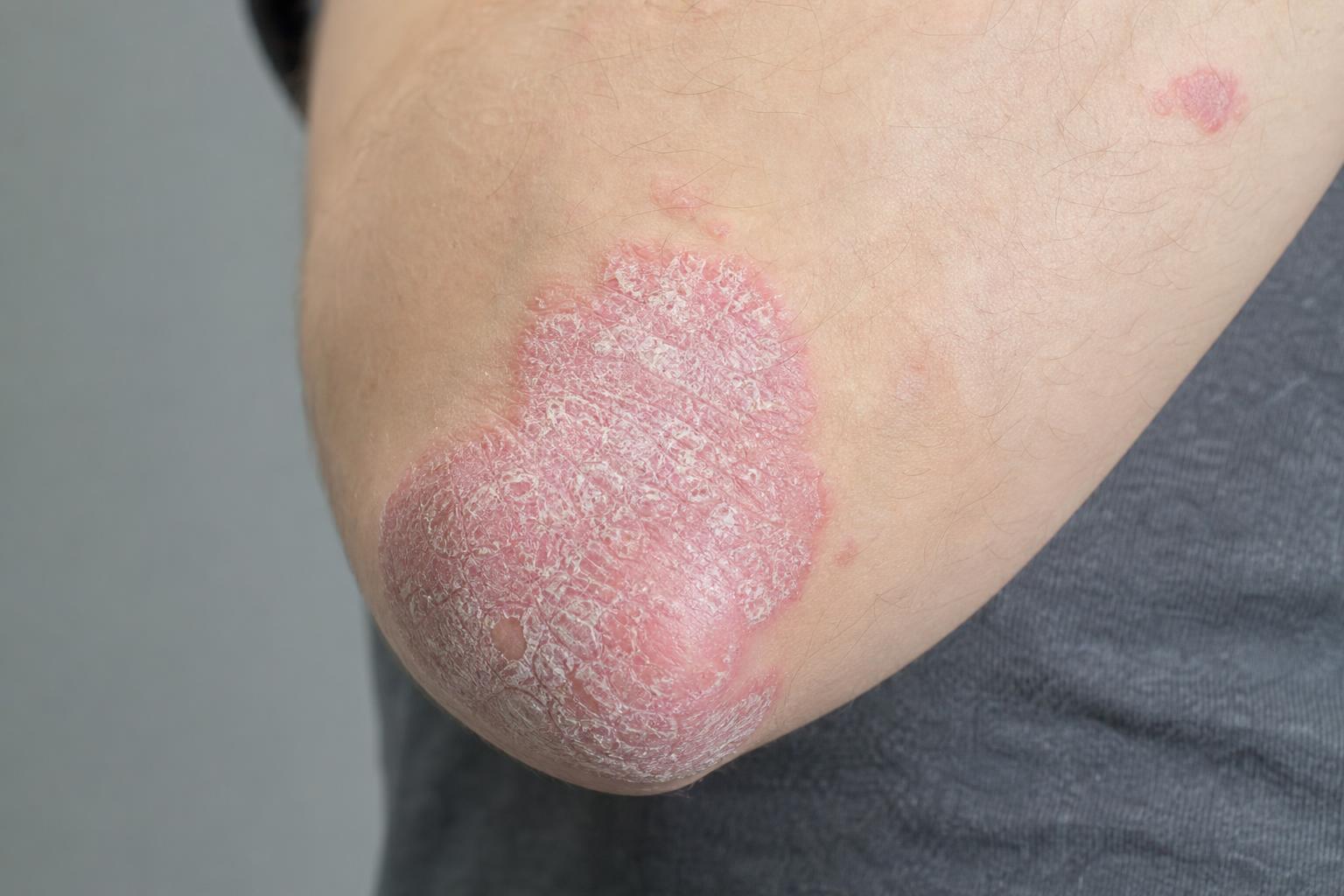
Psoriasis: Much More Than a Skin Problem
Psoriasis is a chronic autoimmune disease. Understanding its mechanisms helps to live better with it and choose the right treatments.
Dermatology
Sunscreen: Separating Fact from Fiction
The sun is essential but dangerous in excess. An overview of evidence-based dermatological recommendations.
Dermatology
Melanoma: Warning Signs to Know
The ABCDE rule helps identify suspicious moles. Melanoma detected early has a survival rate of over 95%.