
Hepatitis B: Chronic Liver Threat
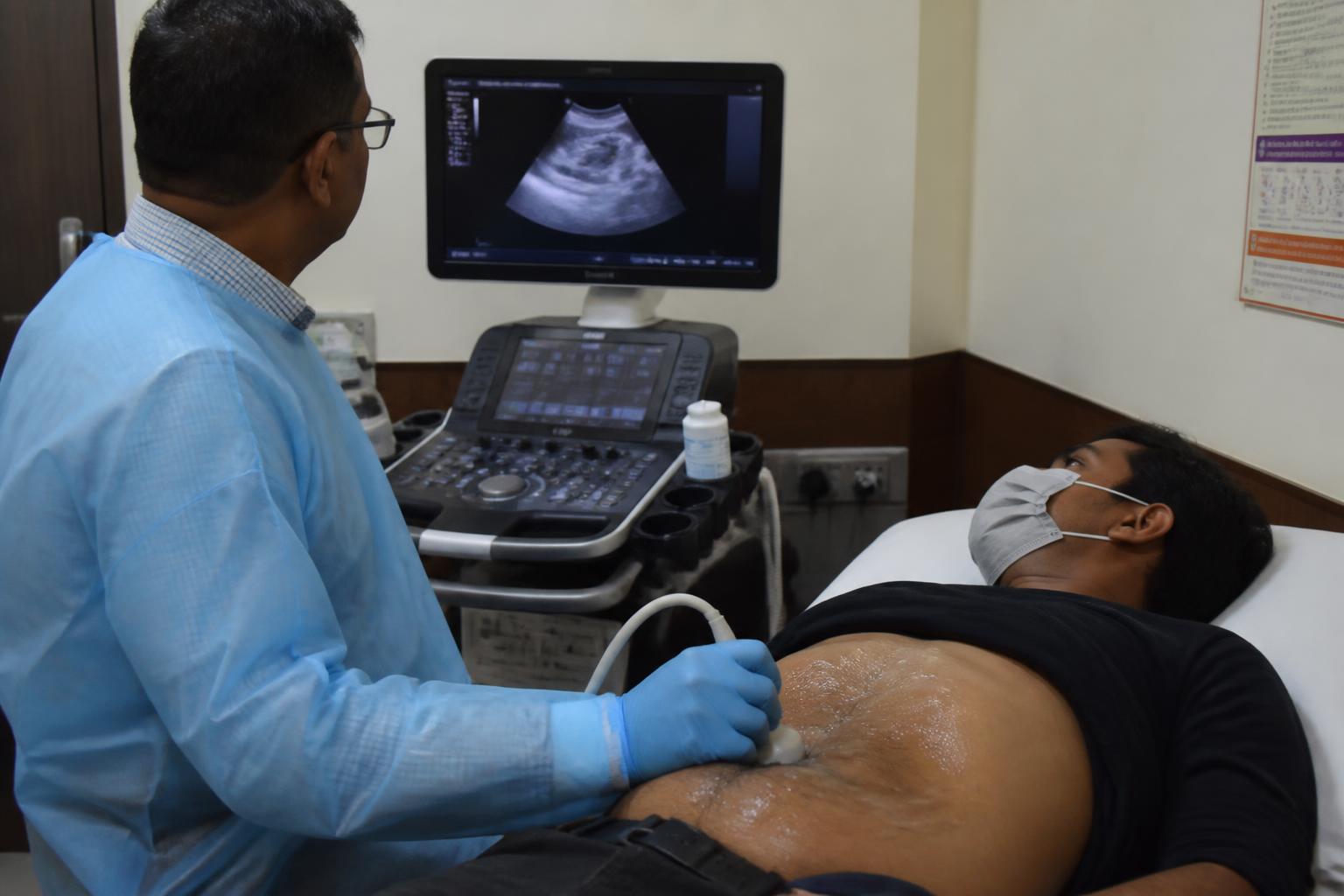
Hepatitis B can silently progress to cirrhosis and liver cancer decades after infection.
Healthlife Editorial Team
Medical writers
In simple terms
Hepatitis B can silently progress to cirrhosis and liver cancer decades after infection.
What you need to remember
- Chronic infection — Antiviral therapy (tenofovir, entecavir) suppresses viral replication and reduces cirrhosis risk.
Transmission is blood-borne and sexual. Vaccination is highly effective and part of infant schedules worldwide.
Chronic infection
Antiviral therapy (tenofovir, entecavir) suppresses viral replication and reduces cirrhosis risk.
All pregnant women should be screened; vertical transmission is preventable.
The words explained
Medical terms used above, in everyday language.
- Chronic
- A problem that lasts a long time, usually more than three months, and often comes back.
- Prevention
- Steps taken before a problem starts, to make it less likely.
- Vaccine
- A safe training session for your immune system, so it can fight a germ later.
When should you see a doctor?
- Your symptoms last more than a few weeks or keep coming back.
- They get worse quickly, or stop you doing everyday things.
- You notice sudden pain, breathing trouble, fainting or bleeding — seek urgent care.
- You already take medication and want to change anything about it.
This article explains general health information. It does not replace advice from your own doctor.
Frequently asked questions
- What is Hepatitis B: Chronic Liver Threat?
- Hepatitis B can silently progress to cirrhosis and liver cancer decades after infection.
- What are the main symptoms or signs of Hepatitis B: Chronic Liver Threat?
- Common signs vary from person to person. The article above lists the symptoms to watch for, how they progress, and when they need medical attention.
- When should you see a doctor for Hepatitis B: Chronic Liver Threat?
- See a doctor if symptoms last more than a few weeks, get worse quickly, stop you doing everyday things, or if you notice sudden pain, breathing trouble, fainting or bleeding.
Related health topics

Infectious Diseases
Hepatitis B: A Manageable Chronic Infection
Around 250 million people live with chronic hepatitis B. Modern antivirals suppress the virus indefinitely.
Digestive Health
Fatty Liver Disease: The Silent Epidemic
Non-alcoholic fatty liver disease is now the most common chronic liver disease worldwide, driven by metabolic syndrome.
Infectious Diseases
Hepatitis C: Now Curable
Direct-acting antivirals cure more than 95% of hepatitis C infections in 8-12 weeks.