
Acute Otitis Media in Children: Wait and See?
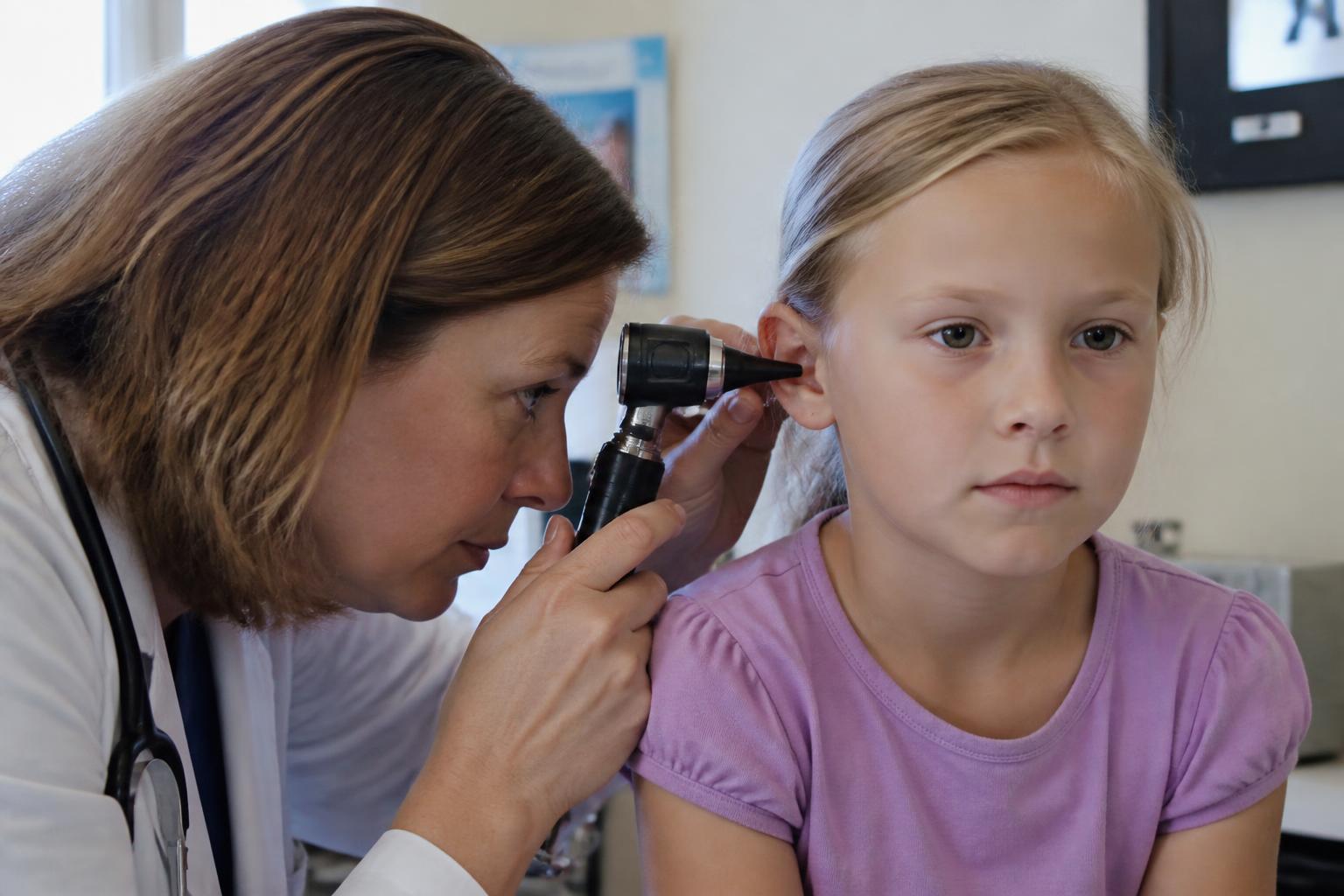
Many acute middle-ear infections resolve without antibiotics; watchful waiting is often appropriate.
Healthlife Editorial Team
Medical writers
In simple terms
Many acute middle-ear infections resolve without antibiotics; watchful waiting is often appropriate.
What you need to remember
- Prevention — Exclusive breastfeeding for 6 months, no exposure to tobacco smoke, upright bottle-feeding.
Antibiotics remain necessary for children < 2 years with bilateral otitis, severe symptoms, or perforation.
Prevention
Exclusive breastfeeding for 6 months, no exposure to tobacco smoke, upright bottle-feeding.
Recurrent otitis with speech delay may require ENT evaluation for tympanostomy tubes.
The words explained
Medical terms used above, in everyday language.
- Symptom
- A sign you can feel or see that something is wrong, like pain, tiredness or a rash.
- Antibiotic
- A medicine that kills bacteria. It does not work against viruses like colds or flu.
- Prevention
- Steps taken before a problem starts, to make it less likely.
When should you see a doctor?
- Your symptoms last more than a few weeks or keep coming back.
- They get worse quickly, or stop you doing everyday things.
- You notice sudden pain, breathing trouble, fainting or bleeding — seek urgent care.
- You already take medication and want to change anything about it.
This article explains general health information. It does not replace advice from your own doctor.
Frequently asked questions
- What is Acute Otitis Media in Children: Wait and See??
- Many acute middle-ear infections resolve without antibiotics; watchful waiting is often appropriate.
- What are the main symptoms or signs of Acute Otitis Media in Children: Wait and See??
- Common signs vary from person to person. The article above lists the symptoms to watch for, how they progress, and when they need medical attention.
- When should you see a doctor for Acute Otitis Media in Children: Wait and See??
- See a doctor if symptoms last more than a few weeks, get worse quickly, stop you doing everyday things, or if you notice sudden pain, breathing trouble, fainting or bleeding.
Related health topics

Infectious Diseases
Hepatitis B: A Manageable Chronic Infection
Around 250 million people live with chronic hepatitis B. Modern antivirals suppress the virus indefinitely.
Infectious Diseases
Hepatitis C: A Curable Disease Today
Hepatitis C used to mean lifelong chronic liver disease. Modern 8-12 week regimens cure nearly all infections.

Infectious Diseases
Recurrent Urinary Tract Infections in Women
Half of women experience at least one UTI; 25% develop recurrences. Several non-antibiotic measures reduce recurrence.
Infectious Diseases
Seasonal Influenza: More Than a Bad Cold
Influenza causes 3-5 million severe cases globally each year and remains underestimated by the public.

Infectious Diseases
Long COVID: A Recognised Multisystem Syndrome
Long COVID affects an estimated 10-20% of infected adults. Symptoms vary widely and management is supportive.
Infectious Diseases
Infectious Mononucleosis: The 'Kissing Disease'
Epstein-Barr virus causes a self-limited illness most common in adolescents and young adults.