
Osteoarthritis: Understanding and Relieving Joint Wear
The most widespread joint disease in the world
Dr. Sylvie Lambert
Rheumatologist
In simple terms
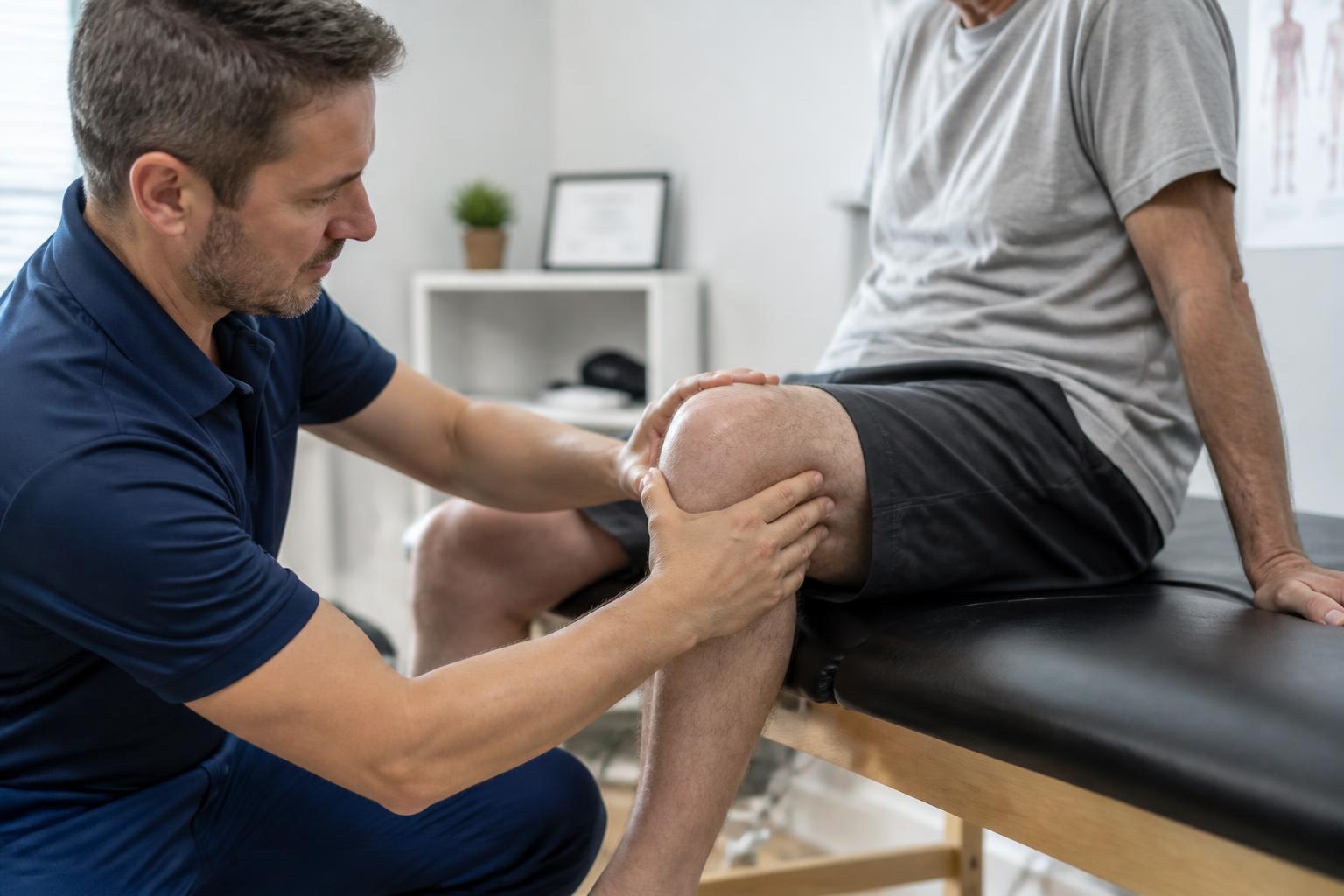
Knee, hip, hand pain: osteoarthritis affects hundreds of millions of people. Adapted physical exercise is the best non-pharmacological treatment.
What is osteoarthritis?
Osteoarthritis is the most common joint disease, affecting about 528 million people worldwide. It is characterized by the degradation of articular cartilage, inflammation of the synovial membrane, and remodeling of the subchondral bone. The most affected joints are the knees, hips, hands, and spine.
Risk factors
Age is the primary risk factor (present in 65% of those over 65). Obesity (each extra kg exerts 4 kg of additional pressure on the knees), joint trauma, genetics, female sex after menopause, and certain professional activities increase the risk.
Symptoms
Mechanical pain (increased with effort, relieved at rest), morning stiffness of less than 30 minutes, joint cracking, progressive loss of mobility, and sometimes joint swelling. X-rays show joint space narrowing and osteophytes (bone spurs).
Treatments
Adapted physical exercise (muscle strengthening, aquagym) is the most effective non-pharmacological treatment. Paracetamol and anti-inflammatories relieve pain. Corticosteroid or hyaluronic acid injections provide temporary relief. Joint replacement (knee, hip) is the last resort if medical treatment fails.
The words explained
Medical terms used above, in everyday language.
- Inflammation
- The body's reaction to injury or irritation: redness, swelling, heat or pain.
- Symptom
- A sign you can feel or see that something is wrong, like pain, tiredness or a rash.
- Risk factor
- Something that makes an illness more likely, such as smoking or family history.
- Genetic
- Passed down in your family through your genes.
- Anti-inflammatory
- A medicine or food that calms swelling and pain.
When should you see a doctor?
- Your symptoms last more than a few weeks or keep coming back.
- They get worse quickly, or stop you doing everyday things.
- You notice sudden pain, breathing trouble, fainting or bleeding — seek urgent care.
- You already take medication and want to change anything about it.
This article explains general health information. It does not replace advice from your own doctor.
Frequently asked questions
- What is Osteoarthritis: Understanding and Relieving Joint Wear?
- Knee, hip, hand pain: osteoarthritis affects hundreds of millions of people. Adapted physical exercise is the best non-pharmacological treatment.
- What are the main symptoms or signs of Osteoarthritis: Understanding and Relieving Joint Wear?
- Common signs vary from person to person. The article above lists the symptoms to watch for, how they progress, and when they need medical attention.
- When should you see a doctor for Osteoarthritis: Understanding and Relieving Joint Wear?
- See a doctor if symptoms last more than a few weeks, get worse quickly, stop you doing everyday things, or if you notice sudden pain, breathing trouble, fainting or bleeding.
Related health topics
Neurology
Chronic Migraine: Recognizing Triggers and Effective Solutions
Understanding the mechanisms of migraine and the preventive and curative treatments available today.
Bones, Joints & Muscles
Knee Osteoarthritis: Slowing Wear and Relieving Pain
From paracetamol to injections to prosthesis: an overview of solutions depending on the stage.
Bones, Joints & Muscles
Rheumatoid arthritis: slowing articular inflammation
Methotrexate, biotherapies, JAK inhibitors: the therapeutic revolution of RA.
Pregnancy & Maternity
Endometriosis: finally recognized, better managed
Pelvic pain, infertility: understanding endometriosis and current treatments.
Bones, Joints & Muscles
Knee osteoarthritis: staying active without making it worse
Cartilage does not wear out from use; weak muscles and inactivity make pain worse.
Blood & Hematology
Sickle cell crises: understanding the pain and how to prevent it
How a vaso-occlusive crisis happens, the triggers to avoid, and treatments that reduce their frequency.