Gout: a microcrystalline arthritis
Acute attack and long-term prevention
Dr. Marc Lefèvre
Rheumatologist
In simple terms
Colchicine, allopurinol, febuxostat: how to control gout in 2026.
Urate crystal deposits
Gout results from hyperuricemia leading to monosodium urate crystal deposits in joints. Mainly affects men >40 years and postmenopausal women.
Acute attack
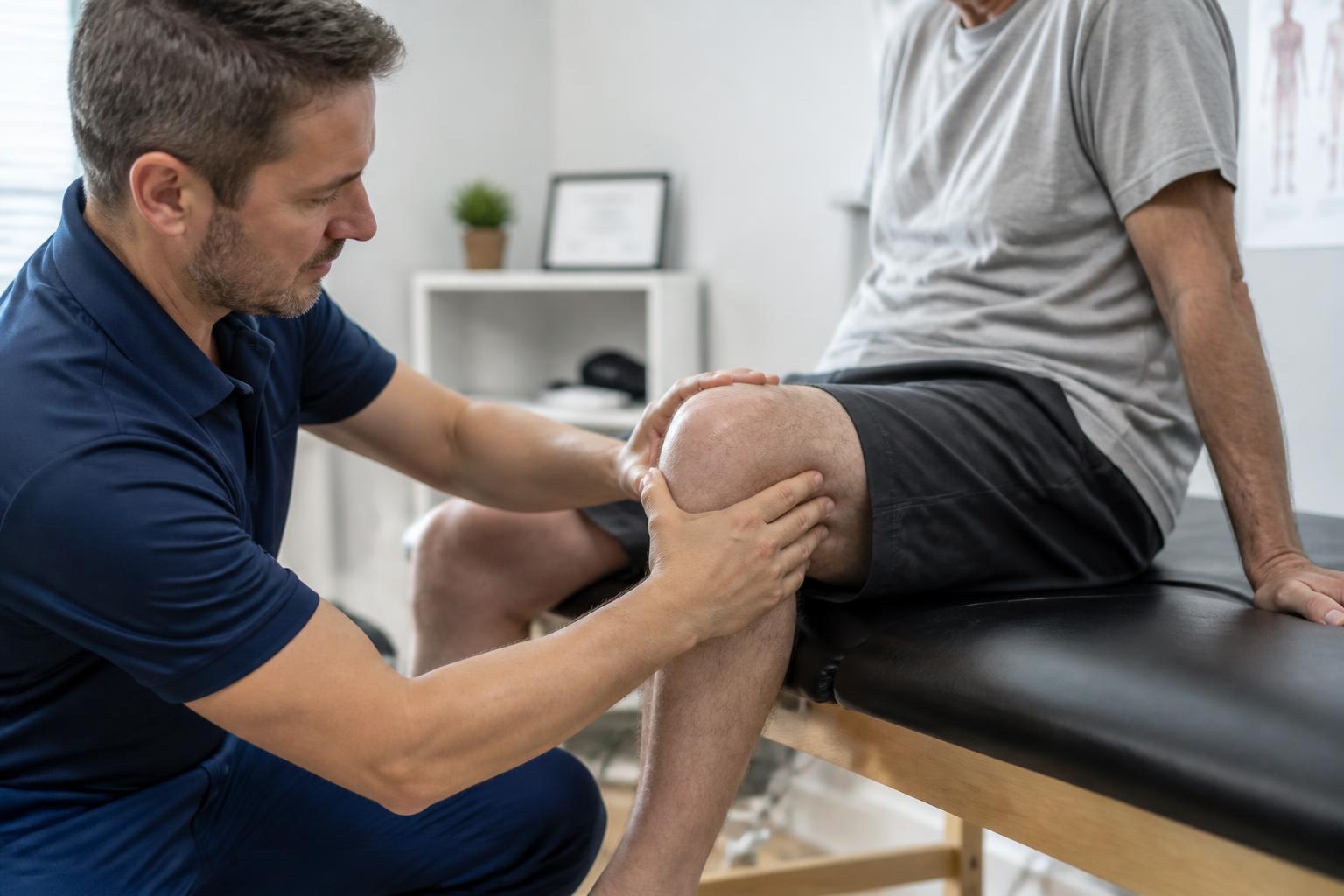
Sudden onset, often nocturnal. Big toe (podagra), knee, ankle: red, hot, swollen, very painful joint. Trigger: food/alcohol excess, dehydration, certain medications (diuretics).
Treatment of attack
Colchicine, NSAIDs, oral or intra-articular corticosteroids. Anti-IL-1 (anakinra, canakinumab) if contraindications.
Long-term treatment
- Indications: at least 2 attacks/year, tophi, joint damage, urate nephrolithiasis
- Allopurinol: first-line, gradual titration
- Febuxostat if intolerance/insufficiency
- Probenecid uricosuric
- Target: uric acid <360 µmol/L (<300 if tophi)
Diet
Limit red meat, organ meats, shellfish, beer, sugary drinks. Promote: low-fat dairy, cherries, water, coffee.
The words explained
Medical terms used above, in everyday language.
- Acute
- Something that starts suddenly and lasts a short time.
When should you see a doctor?
- Your symptoms last more than a few weeks or keep coming back.
- They get worse quickly, or stop you doing everyday things.
- You notice sudden pain, breathing trouble, fainting or bleeding — seek urgent care.
- You already take medication and want to change anything about it.
This article explains general health information. It does not replace advice from your own doctor.
Frequently asked questions
- What is Gout: a microcrystalline arthritis?
- Colchicine, allopurinol, febuxostat: how to control gout in 2026.
- What are the main symptoms or signs of Gout: a microcrystalline arthritis?
- Common signs vary from person to person. The article above lists the symptoms to watch for, how they progress, and when they need medical attention.
- When should you see a doctor for Gout: a microcrystalline arthritis?
- See a doctor if symptoms last more than a few weeks, get worse quickly, stop you doing everyday things, or if you notice sudden pain, breathing trouble, fainting or bleeding.
Related health topics

Bones, Joints & Muscles
Osteoporosis: Detecting Silent Bone Loss
Osteoporosis quietly thins bones over decades. The first fracture is often the first symptom.
Bones, Joints & Muscles
Fibromyalgia: A Real Disease of Pain Processing
Fibromyalgia is recognised as a central pain syndrome, not 'in the head'. Comprehensive care brings real relief.
Bones, Joints & Muscles
Gout: Acute Crises and Long-Term Control
Gout is the most common inflammatory arthritis in men. Effective uric-acid-lowering therapy prevents recurrent attacks.
Bones, Joints & Muscles
Osteoarthritis: Understanding and Relieving Joint Wear
Knee, hip, hand pain: osteoarthritis affects hundreds of millions of people. Adapted physical exercise is the best non-pharmacological treatment.
Bones, Joints & Muscles
Fibromyalgia: Living with Chronic Widespread Pain
Muscle pain, intense fatigue, sleep disturbances: a multidisciplinary approach to regain control.
Bones, Joints & Muscles
Knee Osteoarthritis: Slowing Wear and Relieving Pain
From paracetamol to injections to prosthesis: an overview of solutions depending on the stage.