Nutrition During Pregnancy: The Complete Guide
Eating for two doesn't mean eating twice as much.
Dr. Claire Beaumont
Obstetrician-Gynecologist

In simple terms
Folic acid, iron, omega-3s, listeria: everything you need to know to optimally nourish baby and mom.
What you need to remember
- Essential Nutrients — Folic acid (vitamin B9)**: essential from pregnancy planning and during the first trimester.
- Foods to Avoid — Listeria**: raw milk cheeses, jellied meats, rillettes, raw sprouted seeds
- Recommended Weight Gain — Weight gain during pregnancy is not the same for everyone.
Nutritional needs change significantly during pregnancy. A balanced and varied diet covers most of these needs, but certain nutrients deserve special attention.
Essential Nutrients
- Folic acid (vitamin B9): essential from pregnancy planning and during the first trimester. Reduces the risk of neural tube defects by 70%. Dose: 400 µg/day as a supplement.
- Iron: needs double in the third trimester. Sources: red meat, lentils, spinach. Supplementation if hemoglobin is low.
- Calcium: 1000 mg/day for fetal bone development. Dairy products, calcium-rich mineral waters, broccoli.
- Iodine: essential for brain development. Iodized salt, seafood, dairy products.
- Omega-3s (DHA): brain and retina development. Fatty fish twice/week.
Foods to Avoid
- Listeria: raw milk cheeses, jellied meats, rillettes, raw sprouted seeds
- Toxoplasmosis (if not immune): raw or undercooked meat, unwashed fruits and vegetables, cat litter
- Mercury: limit tuna, swordfish, and shark (predatory fish)
- Alcohol: zero alcohol throughout pregnancy (no safe threshold established)
Recommended Weight Gain
Weight gain during pregnancy is not the same for everyone. It depends mainly on your BMI before pregnancy. BMI means “body mass index”: it is a simple calculation that compares weight and height to estimate whether a person started pregnancy underweight, in a usual weight range, overweight, or with obesity.
Here is how to read the usual medical ranges:
- If your BMI before pregnancy was below 18.5, doctors generally recommend gaining about 12.5 to 18 kg during the whole pregnancy.
- If your BMI was between 18.5 and 24.9, the usual recommended gain is about 11.5 to 16 kg.
- If your BMI was between 25 and 29.9, the usual recommended gain is about 7 to 11.5 kg.
- If your BMI was 30 or higher, the usual recommended gain is about 5 to 9 kg.
These numbers are guide ranges, not a judgment and not a strict rule. The right target can change depending on your health, your baby’s growth, whether you are carrying twins, nausea, diabetes risk, and your doctor or midwife’s advice.
The words explained
Medical terms used above, in everyday language.
- Immune system
- Your body's defence team: cells that fight germs and repair damage.
- BMI
- A simple number from your weight and height used as a rough guide to healthy weight.
When should you see a doctor?
- Your symptoms last more than a few weeks or keep coming back.
- They get worse quickly, or stop you doing everyday things.
- You notice sudden pain, breathing trouble, fainting or bleeding — seek urgent care.
- You already take medication and want to change anything about it.
This article explains general health information. It does not replace advice from your own doctor.
Frequently asked questions
- What is Nutrition During Pregnancy: The Complete Guide?
- Folic acid, iron, omega-3s, listeria: everything you need to know to optimally nourish baby and mom.
- What are the main symptoms or signs of Nutrition During Pregnancy: The Complete Guide?
- Common signs vary from person to person. The article above lists the symptoms to watch for, how they progress, and when they need medical attention.
- When should you see a doctor for Nutrition During Pregnancy: The Complete Guide?
- See a doctor if symptoms last more than a few weeks, get worse quickly, stop you doing everyday things, or if you notice sudden pain, breathing trouble, fainting or bleeding.
Related health topics
Blood & Hematology
Iron Deficiency Anemia: Find the Cause, Not Just the Pill
Iron deficiency is the most common nutritional deficit worldwide, but in adults the bleeding source matters.
Pregnancy & Maternity
Morning Sickness: 8 Solutions That Work
Nausea affects 70 to 80% of pregnant women. From ginger to meal fractionation, validated methods to alleviate it.
Pregnancy & Maternity
Exercise and Pregnancy: What's Recommended (and What's Not)
Physical activity reduces the risk of gestational diabetes, pre-eclampsia, and postpartum depression. A guide to adapted practices.

Pregnancy & Maternity
Gestational Diabetes: Understanding, Screening, and Management
Gestational diabetes affects 6 to 9% of pregnancies. Systematic screening and early management protect both mother and child.

Pregnancy & Maternity
Postpartum Depression: Beyond the Baby Blues
One in five mothers suffers from postpartum depression. Identifying symptoms and seeking help quickly is crucial for mother and child.
Pregnancy & Maternity
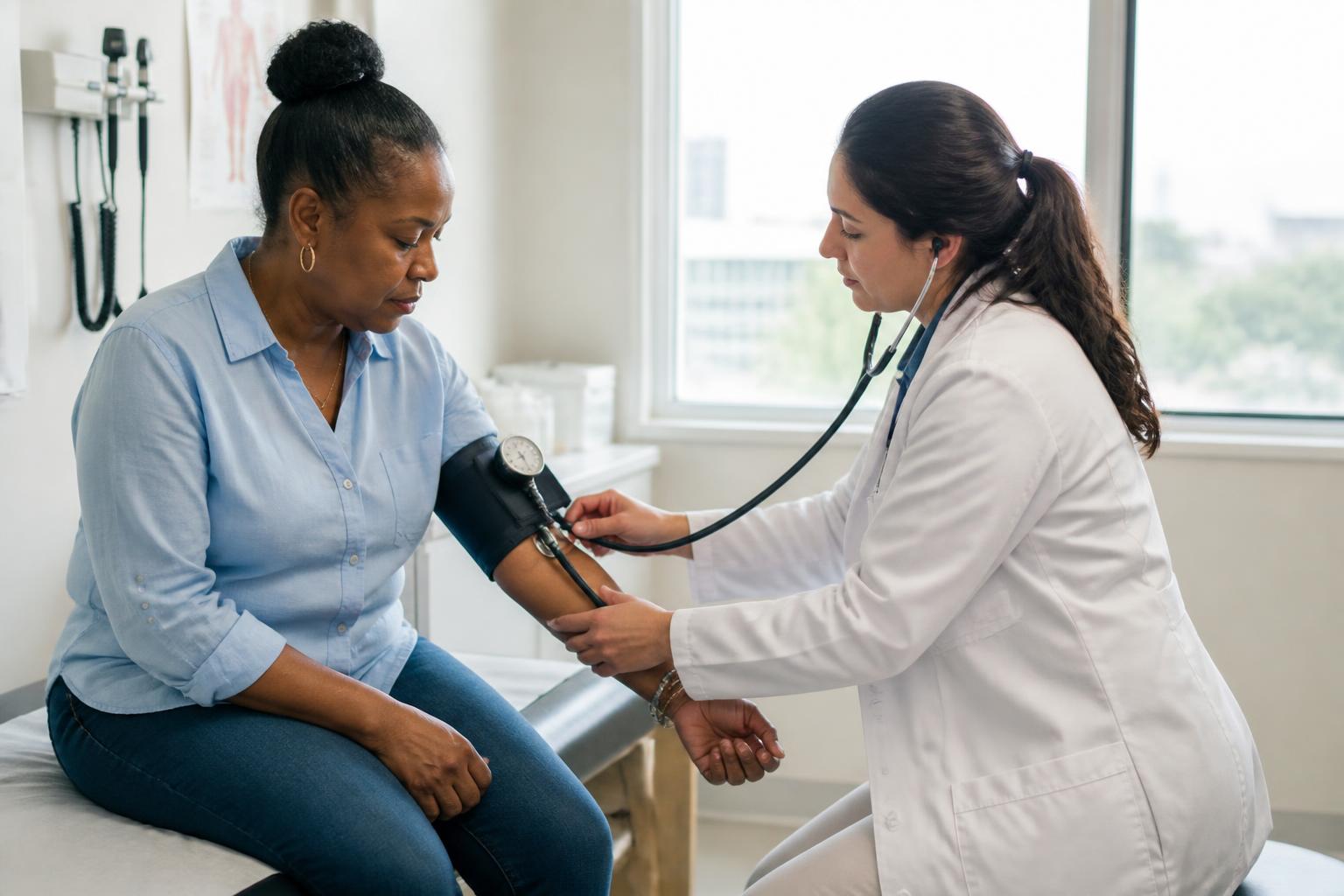
Preeclampsia: A Pregnancy Complication to Catch Early
Preeclampsia complicates 3-5% of pregnancies and remains a leading cause of maternal and fetal morbidity worldwide.