
Rotator cuff tendinopathy: shoulder pain when you lift your arm
Painful arc, weak overhead, worse at night
Dr. Nadia Belkacem
Sports physician
In simple terms
Why the tendon degenerates rather than simply becoming inflamed, and why exercise beats rest.
What it is, in plain words
Four small muscles form the rotator cuff, holding the shoulder ball centred in its shallow socket. Their tendons pass under a bony arch. With overload or age the tendon becomes degenerative and painful, particularly during the mid-range of lifting the arm. The old term inflammation is misleading, which is why anti-inflammatory treatment alone rarely cures it.
Signs to look out for
- Pain on the outer upper arm, especially between 60 and 120 degrees of lifting
- Difficulty reaching behind the back, or to a high shelf
- Night pain when lying on that shoulder
- Weakness with overhead activity, without complete loss of movement
- Stiffness developing if the shoulder is protected for too long
Why it happens
Repetitive overhead work or sport, sudden increases in training load, previous injury, smoking, diabetes and age over 40 all increase risk.
How doctors confirm it
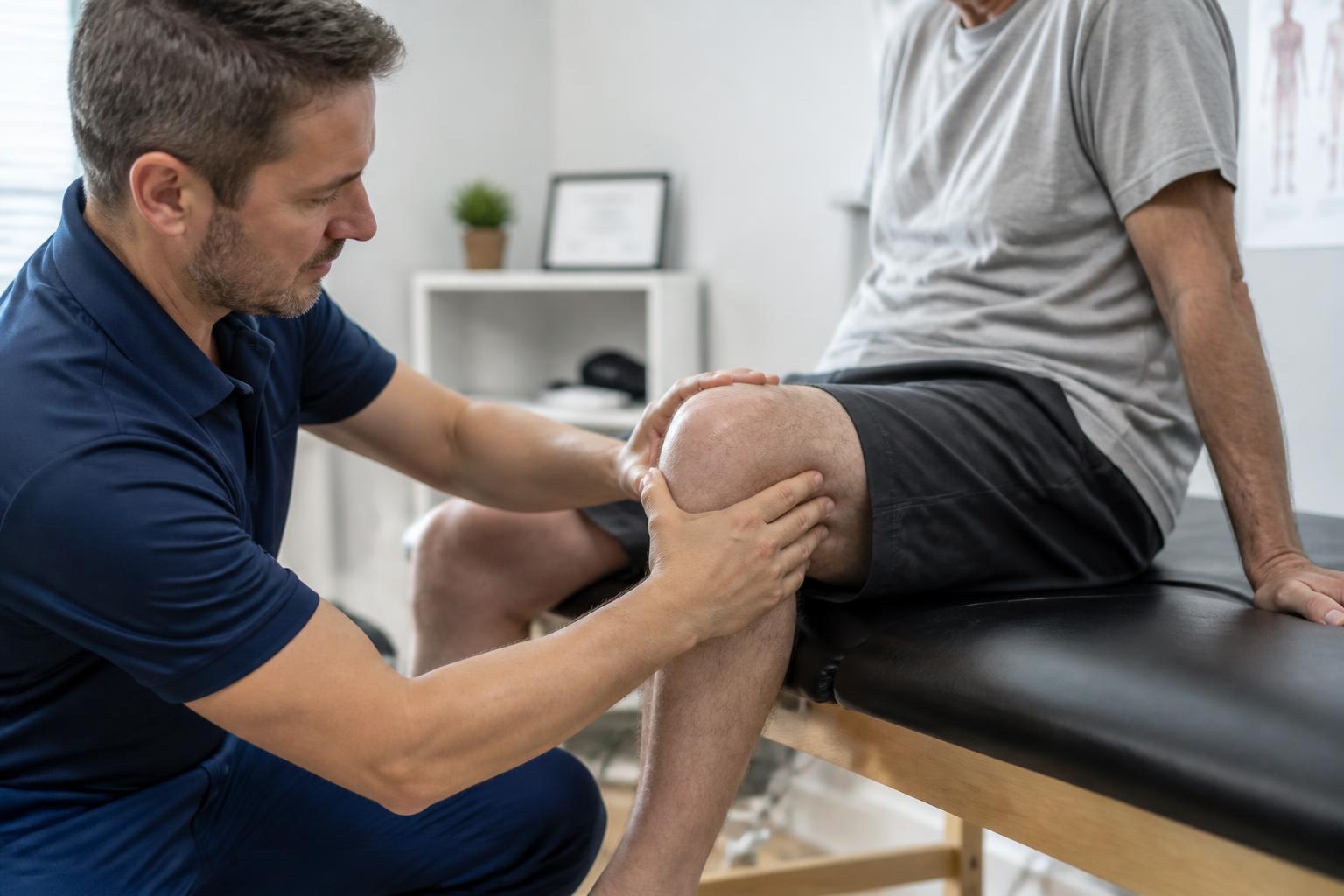
Examination with specific tests distinguishes tendinopathy from a full tear, frozen shoulder and neck-referred pain. Ultrasound or MRI is used when a significant tear is suspected or symptoms persist despite good rehabilitation.
Treatments and solutions
- Progressive loading exercise for at least twelve weeks, the treatment with the strongest evidence, ideally supervised at the start
- Relative rest from the aggravating movement rather than complete immobilisation
- Short-term analgesia and ice for flare-ups
- A subacromial corticosteroid injection to allow rehabilitation when pain blocks all exercise, used sparingly
- Surgery for large traumatic tears in active patients, or after failed structured rehabilitation
Living with it day to day
Expect slow, non-linear progress: mild pain during exercise that settles within 24 hours is acceptable and does not mean damage. Sleep with a pillow supporting the arm.
When to seek medical help
See a doctor for shoulder pain after a fall with sudden inability to lift the arm, for fever with a hot swollen joint, or for numbness and weakness in the hand.
This article explains general health information in simple language. It does not replace advice from your own doctor.
The words explained
Medical terms used above, in everyday language.
- Inflammation
- The body's reaction to injury or irritation: redness, swelling, heat or pain.
- Symptom
- A sign you can feel or see that something is wrong, like pain, tiredness or a rash.
- Anti-inflammatory
- A medicine or food that calms swelling and pain.
- Relapse / flare-up
- A moment when symptoms come back or get worse again.
When should you see a doctor?
- Your symptoms last more than a few weeks or keep coming back.
- They get worse quickly, or stop you doing everyday things.
- You notice sudden pain, breathing trouble, fainting or bleeding — seek urgent care.
- You already take medication and want to change anything about it.
This article explains general health information. It does not replace advice from your own doctor.
Frequently asked questions
- What is Rotator cuff tendinopathy: shoulder pain when you lift your arm?
- Why the tendon degenerates rather than simply becoming inflamed, and why exercise beats rest.
- What are the main symptoms or signs of Rotator cuff tendinopathy: shoulder pain when you lift your arm?
- Common signs vary from person to person. The article above lists the symptoms to watch for, how they progress, and when they need medical attention.
- When should you see a doctor for Rotator cuff tendinopathy: shoulder pain when you lift your arm?
- See a doctor if symptoms last more than a few weeks, get worse quickly, stop you doing everyday things, or if you notice sudden pain, breathing trouble, fainting or bleeding.
Related health topics
Bones, Joints & Muscles
Osteoarthritis: Understanding and Relieving Joint Wear
Knee, hip, hand pain: osteoarthritis affects hundreds of millions of people. Adapted physical exercise is the best non-pharmacological treatment.

Neurology
Chronic Migraine: Recognizing Triggers and Effective Solutions
Understanding the mechanisms of migraine and the preventive and curative treatments available today.

Pregnancy & Maternity
Endometriosis: finally recognized, better managed
Pelvic pain, infertility: understanding endometriosis and current treatments.
Blood & Hematology
Sickle cell crises: understanding the pain and how to prevent it
How a vaso-occlusive crisis happens, the triggers to avoid, and treatments that reduce their frequency.