Intermittent fasting: what does science really say?
16/8, 5:2, OMAD: trend or nutritional revolution?
Dr. Léa Marin
Nutritionist, PhD
In simple terms
Studies on intermittent fasting show promising results for weight and metabolic markers, but with important nuances.
What you need to remember
- Different protocols — /8**: fast for 16 hours, eat within an 8-hour window (the most studied and simplest)
- What studies show — Weight loss**: comparable to classic caloric restriction.
- Limitations and precautions — Contraindicated for pregnant women, children, people with eating disorders
Intermittent fasting includes several dietary protocols based on alternating periods of eating and fasting. The most popular, 16/8, involves concentrating meals into an 8-hour window.
Different protocols
- 16/8: fast for 16 hours, eat within an 8-hour window (the most studied and simplest)
- 5:2: eat normally for 5 days, restrict to 500-600 kcal for 2 days
- Eat-Stop-Eat: fast for 24 hours once or twice a week
- OMAD: one meal a day (little studied, potentially risky)
What studies show
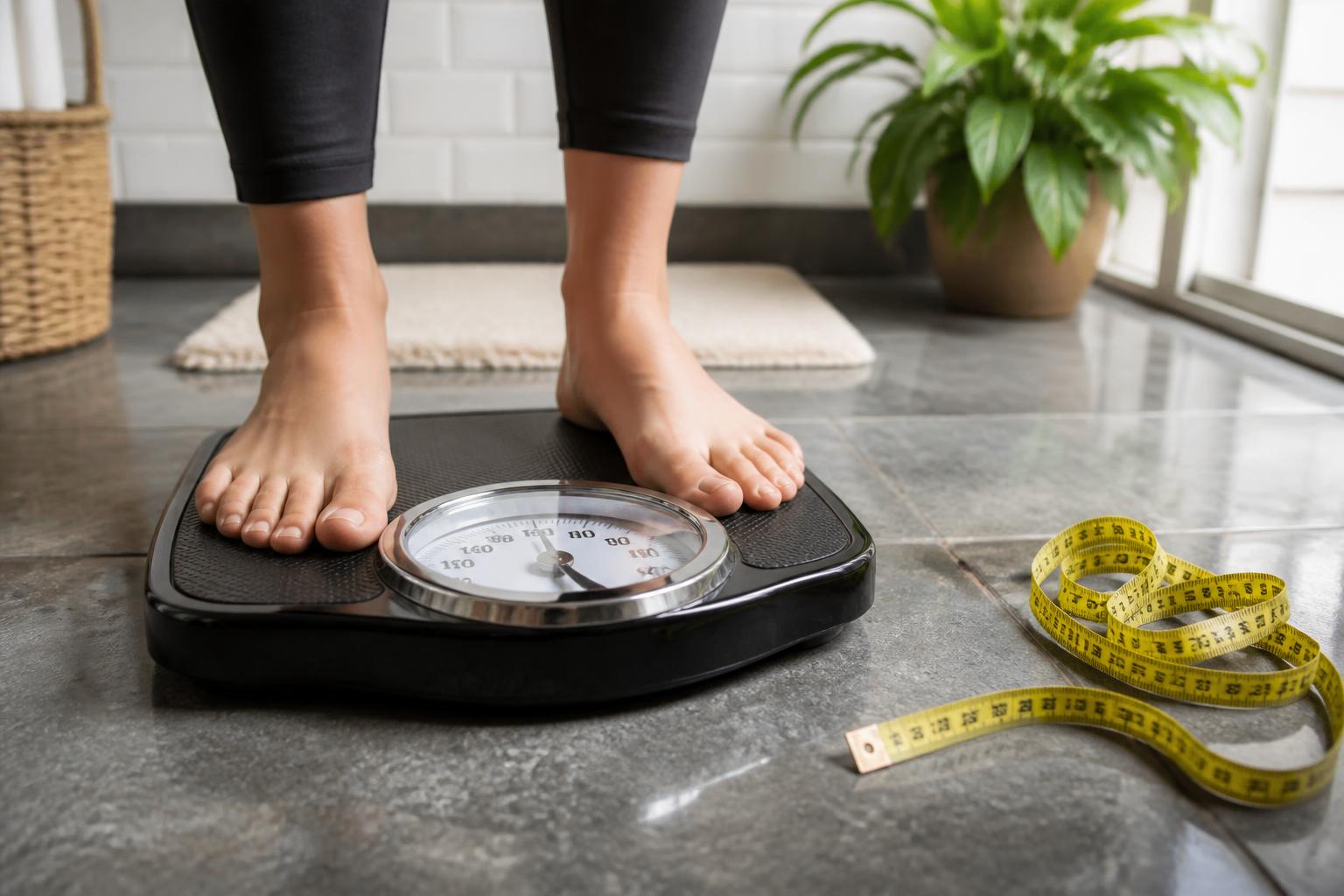
- Weight loss: comparable to classic caloric restriction. Intermittent fasting is no better but may be easier for some people to follow.
- Insulin sensitivity: improvement observed in several trials, interesting for type 2 diabetes prevention.
- Inflammation: reduction of some inflammatory markers (CRP, IL-6).
- Longevity: promising data in animals, but not yet confirmed in humans.
Limitations and precautions
- Contraindicated for pregnant women, children, people with eating disorders
- Risk of compensation: eating more during the eating window cancels the benefit
- Food quality remains more important than timing
The best diet is the one you can stick to long-term. Intermittent fasting is a tool, not a miracle solution.
The words explained
Medical terms used above, in everyday language.
- Inflammation
- The body's reaction to injury or irritation: redness, swelling, heat or pain.
- Insulin
- The hormone that lets sugar move from your blood into your cells for energy.
- Prevention
- Steps taken before a problem starts, to make it less likely.
When should you see a doctor?
- Your symptoms last more than a few weeks or keep coming back.
- They get worse quickly, or stop you doing everyday things.
- You notice sudden pain, breathing trouble, fainting or bleeding — seek urgent care.
- You already take medication and want to change anything about it.
This article explains general health information. It does not replace advice from your own doctor.
Frequently asked questions
- What is Intermittent fasting: what does science really say??
- Studies on intermittent fasting show promising results for weight and metabolic markers, but with important nuances.
- What are the main symptoms or signs of Intermittent fasting: what does science really say??
- Common signs vary from person to person. The article above lists the symptoms to watch for, how they progress, and when they need medical attention.
- When should you see a doctor for Intermittent fasting: what does science really say??
- See a doctor if symptoms last more than a few weeks, get worse quickly, stop you doing everyday things, or if you notice sudden pain, breathing trouble, fainting or bleeding.
Related health topics

Nutrition
Food supplements: which ones are really useful?
Vitamin D, folic acid, iron: in what situations is supplementation justified, and when are you throwing your money away?

Nutrition
Sugar: real addiction or just a habit?
Sugar activates the same reward pathways as drugs, but calling it an addiction in the medical sense remains controversial. How to reduce your consumption.

Nutrition
How much water should you really drink each day?
Thirst, urine colour and climate matter more than a fixed number of glasses.
Nutrition
Protein: how much do you really need?
Body weight, age and activity decide your target, not marketing claims.
Nutrition
Lowering cholesterol through food: what really moves the needle
Practical swaps that measurably lower LDL over eight to twelve weeks.
Nutrition
Sustainable weight loss without dieting
Environment, protein, sleep and consistency outperform willpower.