Protein: how much do you really need?
A practical guide without powders
Dr. Sophie Ferrand
Nutritionist
In simple terms
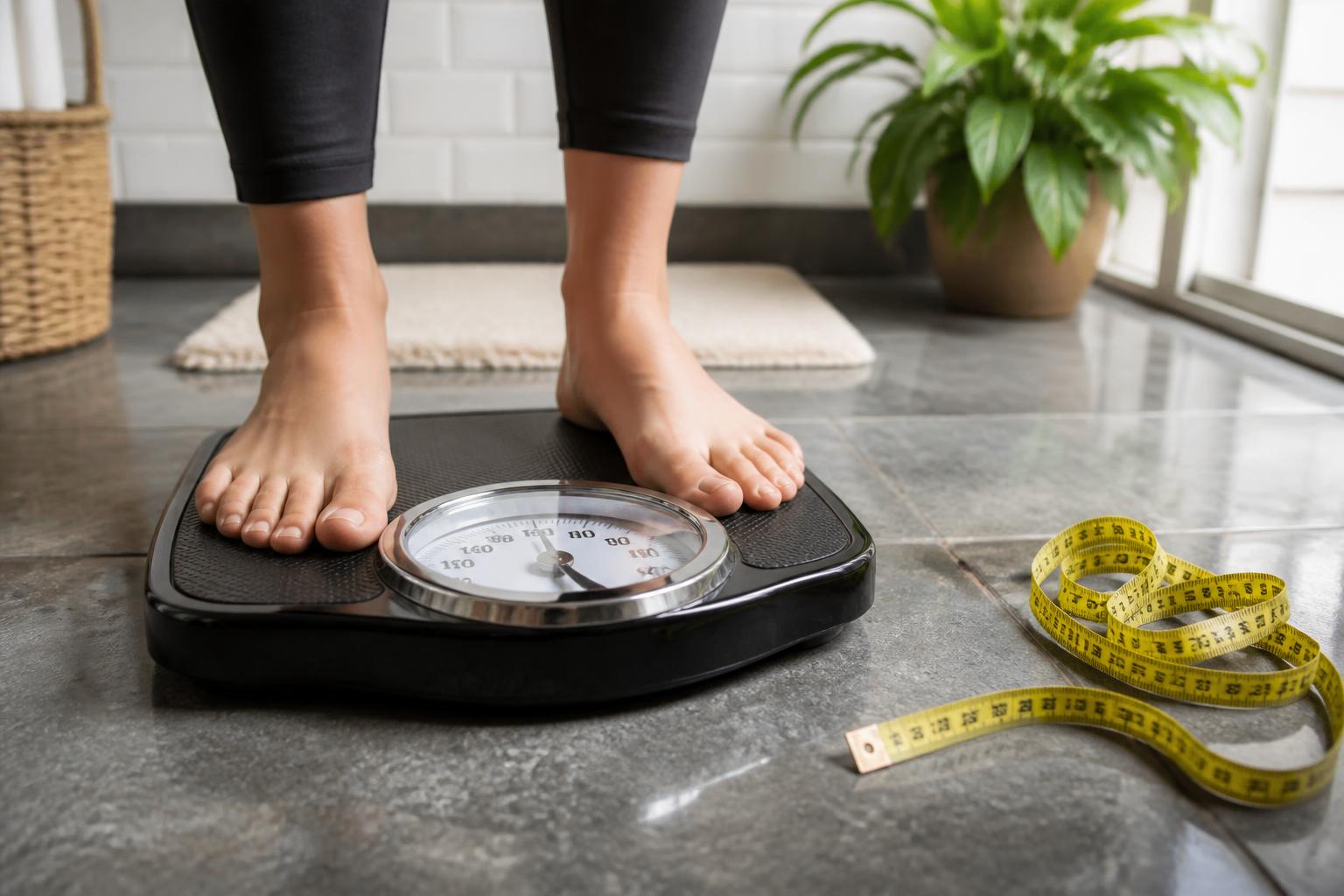
Body weight, age and activity decide your target, not marketing claims.
A simple target
For a healthy sedentary adult, around 0.8 g of protein per kilo of body weight per day covers basic needs. That means about 56 g for a 70 kg person. If you train regularly with weights or endurance sport, the useful range rises to 1.2 to 1.6 g per kilo. Above roughly 2 g per kilo there is no added benefit for muscle.
Why older adults need more
After age 65 the body responds less strongly to protein in a meal. Spreading 25 to 30 g of protein across each of three meals works far better than eating almost all of it at dinner, and it helps protect muscle and balance.
Good everyday sources
- Eggs, fish, poultry, lean meat
- Plain yoghurt, cottage cheese, milk
- Lentils, chickpeas, beans, tofu, tempeh
- Nuts and seeds, in smaller amounts
Do you need a powder?
Not usually. A protein shake is simply convenient food, not a special substance. It helps when appetite is low, when travelling, or right after training when cooking is impractical. Whole foods bring fibre, minerals and vitamins that powders do not.
A note of caution
People with reduced kidney function should not raise their protein intake without medical advice, because the kidneys handle the waste products of protein digestion.
The words explained
Medical terms used above, in everyday language.
- Fibre
- The part of plant foods your body cannot digest; it feeds gut bacteria and helps digestion.
When should you see a doctor?
- Your symptoms last more than a few weeks or keep coming back.
- They get worse quickly, or stop you doing everyday things.
- You notice sudden pain, breathing trouble, fainting or bleeding — seek urgent care.
- You already take medication and want to change anything about it.
This article explains general health information. It does not replace advice from your own doctor.
Frequently asked questions
- What is Protein: how much do you really need??
- Body weight, age and activity decide your target, not marketing claims.
- What are the main symptoms or signs of Protein: how much do you really need??
- Common signs vary from person to person. The article above lists the symptoms to watch for, how they progress, and when they need medical attention.
- When should you see a doctor for Protein: how much do you really need??
- See a doctor if symptoms last more than a few weeks, get worse quickly, stop you doing everyday things, or if you notice sudden pain, breathing trouble, fainting or bleeding.
Related health topics

Neurology
Myasthenia gravis: muscle fatigability
Pyridostigmine, immunosuppressants, complement inhibitors: modern treatment of myasthenia.
Nutrition
Lowering cholesterol through food: what really moves the needle
Practical swaps that measurably lower LDL over eight to twelve weeks.

Kidney & Urinary
Nephrotic syndrome: protein leaking into the urine
Why the kidney filter fails, what the swelling means, and how treatment is guided by the biopsy.

Healthy Aging
Muscle Loss With Age: How to Slow It Down
Why muscle fades after 50, how much protein you actually need, and a beginner strength plan for home.