
Cataract: the lens that slowly clouds
Vision that dims like a dirty window
Dr. Camille Roux
Internal medicine physician
In simple terms
Why it happens with age, the symptoms people mistake for needing new glasses, and what surgery involves.
What it is, in plain words
The lens inside the eye is normally transparent. With age its proteins clump together and it becomes cloudy and yellowed, scattering light before it reaches the retina. This is a cataract. It develops over years and affects both eyes, usually unequally.
Signs to look out for
- Gradual blurring or misting of vision not corrected by new glasses
- Glare and halos around headlights, making night driving difficult
- Colours looking faded or yellow
- Needing more light to read
- A temporary improvement in near vision in some people, sometimes called second sight
Why it happens
Ageing is the main cause. Diabetes, smoking, prolonged corticosteroid use, unprotected UV exposure, eye injury and previous eye surgery accelerate it. Congenital cataracts occur in newborns and need urgent treatment.
How doctors confirm it
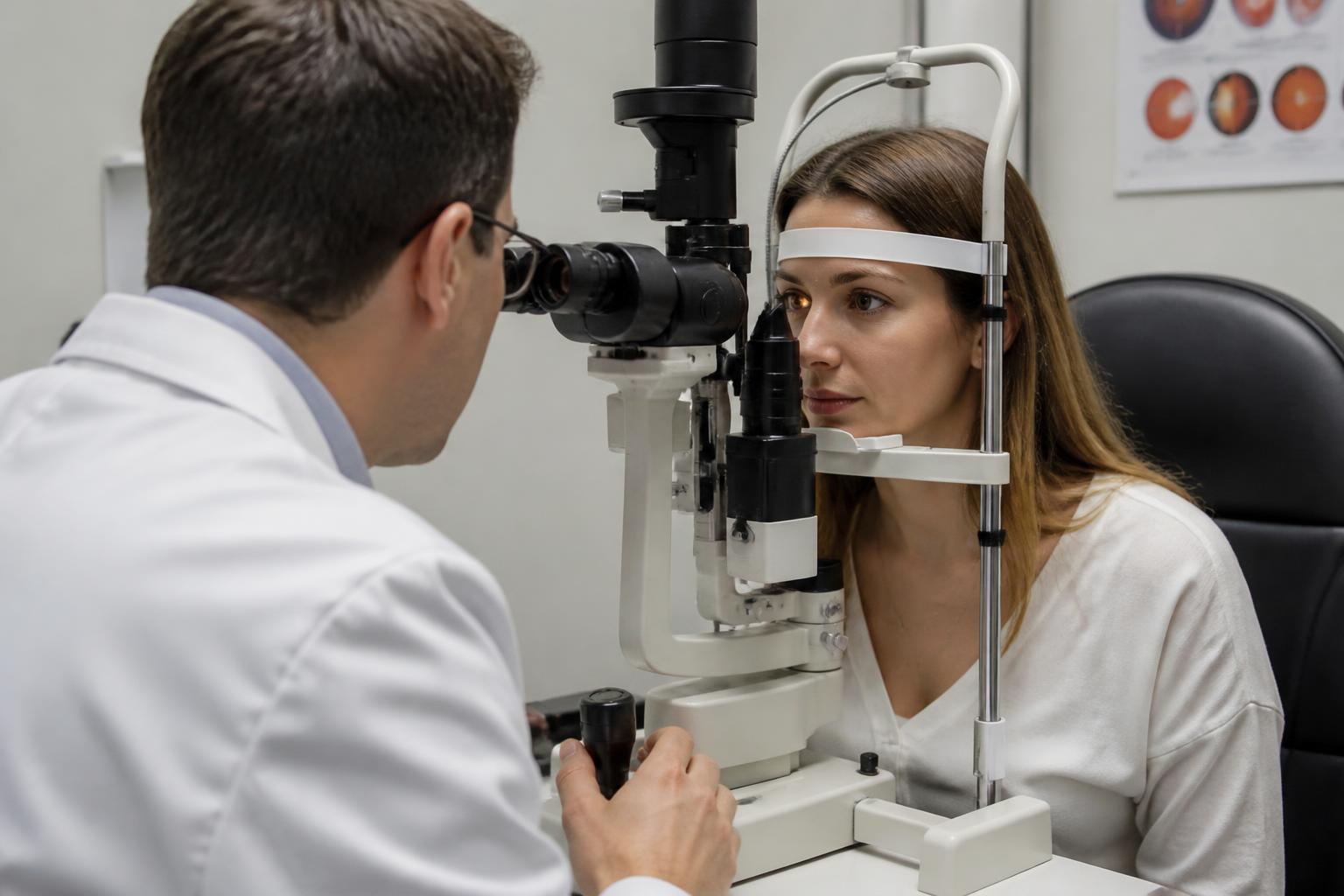
An ophthalmologist examines the lens with a slit lamp after dilating the pupil, measures visual acuity and checks the retina and optic nerve, since other conditions may also limit vision.
Treatments and solutions
- Stronger glasses, better lighting and anti-glare lenses in the early stage
- Surgery when vision interferes with driving, reading or daily life, not at a fixed level of severity
- Phacoemulsification: the cloudy lens is broken up by ultrasound through a 2 mm incision and replaced with an artificial lens, usually under local anaesthetic in 15 to 30 minutes
- Choice of implant: standard monofocal, toric for astigmatism, or multifocal to reduce glasses dependence
- Laser treatment in clinic if the capsule behind the implant clouds months or years later
Living with it day to day
Recovery is quick: most people see better within days. Use the prescribed drops, avoid rubbing the eye, swimming and heavy lifting for a couple of weeks, and wear sunglasses outdoors.
When to seek medical help
Seek urgent ophthalmic advice for sudden loss of vision, increasing pain and redness after surgery, flashes, floaters or a curtain over the vision.
This article explains general health information in simple language. It does not replace advice from your own doctor.
When should you see a doctor?
- Your symptoms last more than a few weeks or keep coming back.
- They get worse quickly, or stop you doing everyday things.
- You notice sudden pain, breathing trouble, fainting or bleeding — seek urgent care.
- You already take medication and want to change anything about it.
This article explains general health information. It does not replace advice from your own doctor.
Frequently asked questions
- What is Cataract: the lens that slowly clouds?
- Why it happens with age, the symptoms people mistake for needing new glasses, and what surgery involves.
- What are the main symptoms or signs of Cataract: the lens that slowly clouds?
- Common signs vary from person to person. The article above lists the symptoms to watch for, how they progress, and when they need medical attention.
- When should you see a doctor for Cataract: the lens that slowly clouds?
- See a doctor if symptoms last more than a few weeks, get worse quickly, stop you doing everyday things, or if you notice sudden pain, breathing trouble, fainting or bleeding.
Related health topics
Eye Health
Glaucoma: preserving your sight before it's too late
Intraocular pressure, screening, eye drops and surgery: everything about glaucoma.
Eye Health
AMD: preserving central vision after 50
Anti-VEGF, AREDS supplements: protecting your macula against degeneration.

Digestive Health
Appendicitis: the pain that moves to the right
How the pain typically migrates, why children and older adults are harder to diagnose, and what surgery involves.
Eye Health
Acute angle-closure glaucoma: a red painful eye emergency
How drainage suddenly blocks, the classic symptoms, and why laser treatment protects the other eye too.
Infectious Diseases
Conjunctivitis: red eye, three very different causes
How to tell them apart, why antibiotic drops are usually unnecessary, and when redness is dangerous.