Glaucoma: preserving your sight before it's too late
The 2nd leading cause of blindness worldwide
Dr. Hugo Nguyen
Ophthalmologist
In simple terms
Intraocular pressure, screening, eye drops and surgery: everything about glaucoma.
Optic nerve damage
Glaucoma is a progressive optic neuropathy, most often linked to elevated intraocular pressure (IOP). Asymptomatic at first, it slowly destroys peripheral visual field.
Screening
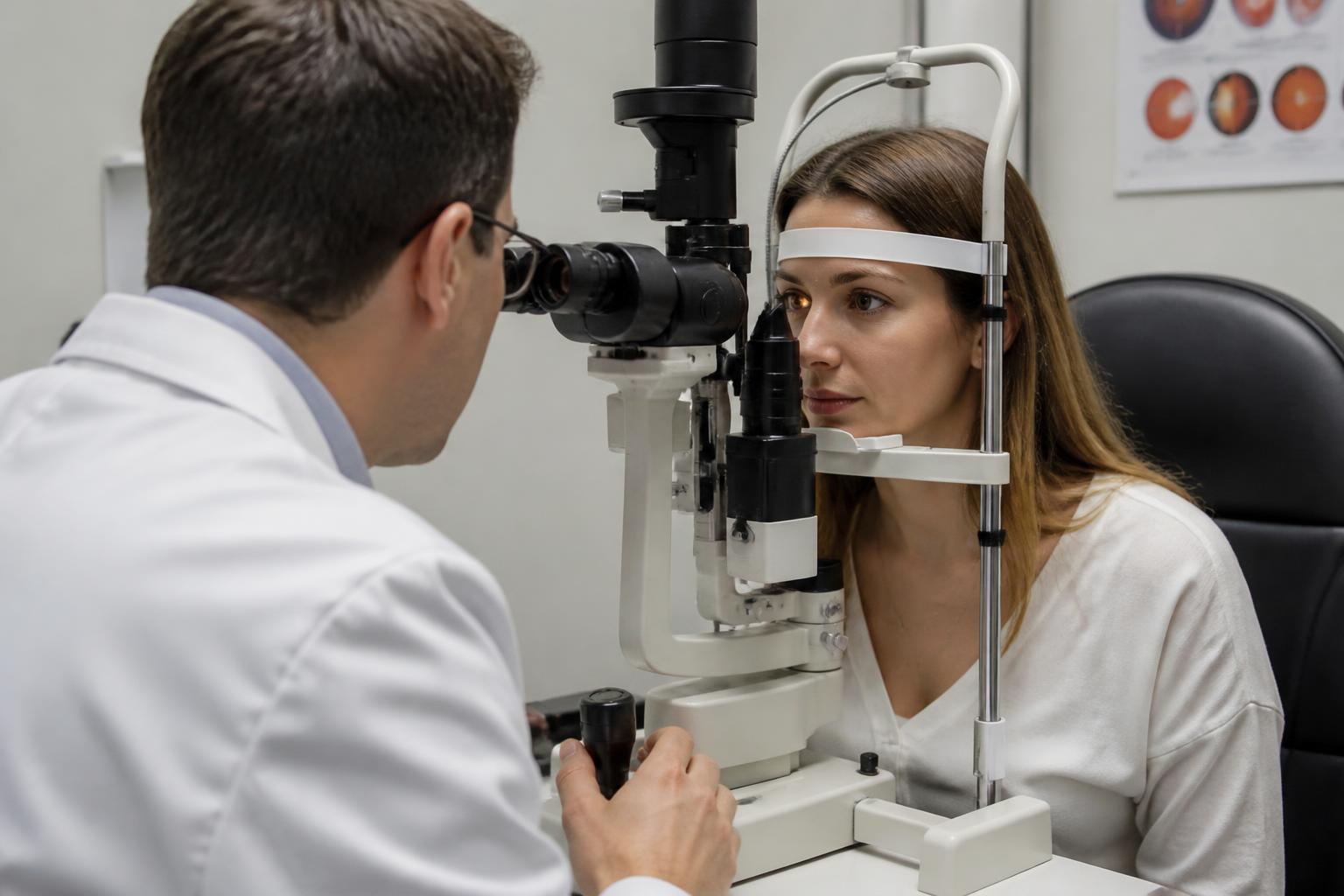
IOP measurement, fundus examination, visual field, optic nerve OCT. Screening recommended after age 40, earlier for family history or Afro-Caribbean origin.
Treatments
- Eye drops: prostaglandin analogues (latanoprost), beta-blockers, carbonic anhydrase inhibitors
- Laser: selective laser trabeculoplasty (SLT), iridotomy
- Filtering surgery (trabeculectomy) or MIGS (minimally invasive surgeries)
Prognosis
Diagnosed early, it is well controlled. Later on, visual losses are permanent. Hence the importance of regular screening.
The words explained
Medical terms used above, in everyday language.
- Diagnosis
- The moment a doctor identifies which illness is causing your symptoms.
- Screening
- A check-up done before you feel ill, to catch a problem early.
When should you see a doctor?
- Your symptoms last more than a few weeks or keep coming back.
- They get worse quickly, or stop you doing everyday things.
- You notice sudden pain, breathing trouble, fainting or bleeding — seek urgent care.
- You already take medication and want to change anything about it.
This article explains general health information. It does not replace advice from your own doctor.
Frequently asked questions
- What is Glaucoma: preserving your sight before it's too late?
- Intraocular pressure, screening, eye drops and surgery: everything about glaucoma.
- What are the main symptoms or signs of Glaucoma: preserving your sight before it's too late?
- Common signs vary from person to person. The article above lists the symptoms to watch for, how they progress, and when they need medical attention.
- When should you see a doctor for Glaucoma: preserving your sight before it's too late?
- See a doctor if symptoms last more than a few weeks, get worse quickly, stop you doing everyday things, or if you notice sudden pain, breathing trouble, fainting or bleeding.
Related health topics
Eye Health
AMD: preserving central vision after 50
Anti-VEGF, AREDS supplements: protecting your macula against degeneration.
Eye Health
Cataract: the lens that slowly clouds
Why it happens with age, the symptoms people mistake for needing new glasses, and what surgery involves.
Eye Health
Acute angle-closure glaucoma: a red painful eye emergency
How drainage suddenly blocks, the classic symptoms, and why laser treatment protects the other eye too.