
Stretching before or after exercise: what works
Dynamic first, static later
Coach Julien Marest
Exercise physiologist

In simple terms
Long holds before effort can reduce power; save them for the cool-down.
Two very different kinds of stretching
Dynamic stretching means moving through a range of motion: leg swings, arm circles, walking lunges. Static stretching means holding a position for 20 to 60 seconds.
Before exercise
A warm-up should raise your temperature and rehearse the movement you are about to do. Five to ten minutes of easy cardio plus dynamic movements does that. Long static holds just before a sprint or a heavy lift can temporarily reduce force output, so keep them short if you use them at all.
After exercise
This is where static stretching fits naturally. It will not prevent muscle soreness, but it feels good, helps you wind down, and maintains flexibility over months when done consistently.
Does stretching prevent injury?
On its own, not much. What does reduce injuries is strengthening the muscles around the joint, progressing training load gradually, and sleeping enough. Flexibility work is a useful complement, not a shield.
The words explained
Medical terms used above, in everyday language.
- Prevention
- Steps taken before a problem starts, to make it less likely.
When should you see a doctor?
- Your symptoms last more than a few weeks or keep coming back.
- They get worse quickly, or stop you doing everyday things.
- You notice sudden pain, breathing trouble, fainting or bleeding — seek urgent care.
- You already take medication and want to change anything about it.
This article explains general health information. It does not replace advice from your own doctor.
Frequently asked questions
- What is Stretching before or after exercise: what works?
- Long holds before effort can reduce power; save them for the cool-down.
- What are the main symptoms or signs of Stretching before or after exercise: what works?
- Common signs vary from person to person. The article above lists the symptoms to watch for, how they progress, and when they need medical attention.
- When should you see a doctor for Stretching before or after exercise: what works?
- See a doctor if symptoms last more than a few weeks, get worse quickly, stop you doing everyday things, or if you notice sudden pain, breathing trouble, fainting or bleeding.
Related health topics

Fitness
Strength training for women: debunking the myths
Women benefit as much as men from strength training: bone mass, metabolism, confidence. Let's deconstruct misconceptions.
Fitness
Starting to run: the 0 to 5 km program
A progressive 8-week program to go from couch to 5 km continuous, without injury or discouragement.
Fitness
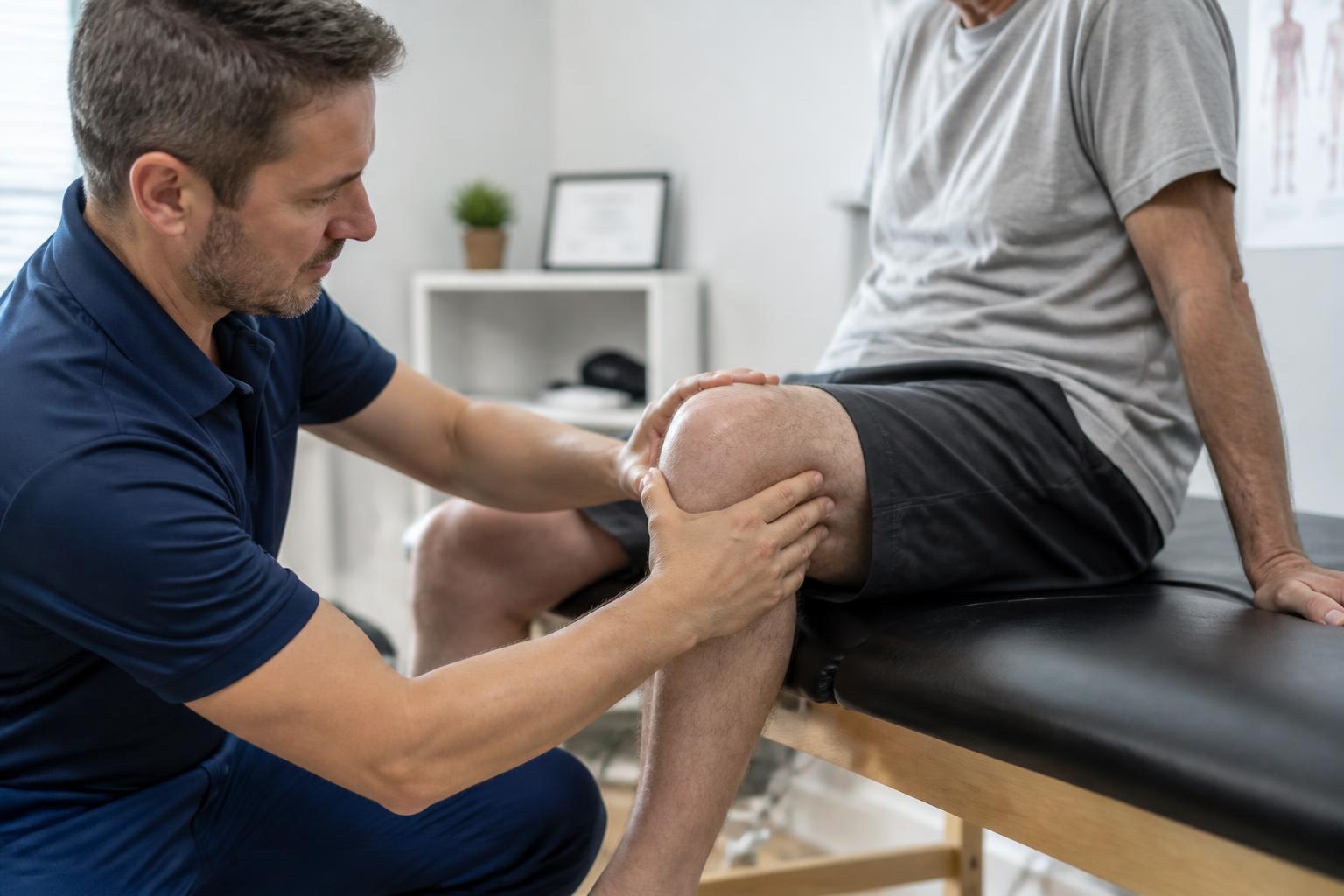
Osteoarthritis: Movement Is Medicine
Osteoarthritis is the most common joint disease, but the old advice to 'rest the joint' is wrong.
Fitness
Brisk walking: the most underrated exercise
Thirty minutes a day changes blood pressure, blood sugar and mood.
Fitness
Muscle recovery: what actually helps
Ice baths, massage guns and compression have their place, but the basics do more.
Fitness
Rotator cuff tendinopathy: shoulder pain when you lift your arm
Why the tendon degenerates rather than simply becoming inflamed, and why exercise beats rest.